Key Takeaways
- Choose microfiber cloths and squeegees for more effective window cleaning.
- Time your cleaning for cooler, overcast conditions to reduce streaks.
- Homemade solutions using distilled vinegar and water minimize residue.
- Attention to stubborn stains and tool maintenance ensures consistently clear windows.
Table of Contents
- Choose the Right Tools
- Select Optimal Weather Conditions
- Prepare a Homemade Cleaning Solution
- Follow Proper Cleaning Techniques
- Address Stubborn Stains
- Maintain Your Cleaning Tools
- Safety Considerations
- Conclusion
Clean, streak-free windows are a hallmark of a well-maintained home, providing clear views and enhancing curb appeal. Achieving flawless results depends on the cleaning techniques and supplies used. If you want to discover reliable, professional approaches to window cleaning, this guide offers step-by-step tips to improve your process and outcomes.
From choosing the right tools to understanding how weather impacts your results, there are important considerations for every homeowner aiming for spotless glass. Regular, careful cleaning extends the life of your windows, keeps your home looking its best, and ensures you avoid common pitfalls like stubborn streaks or mineral build-up.
Effective window cleaning is not just about aesthetics; it can help preserve your window glass by preventing the accumulation of residue that can cause etching or permanent marks. Adopting a routine window care approach ensures visible, long-lasting clarity and reduces the frequency and effort required for deep cleaning.
Besides windows, other exterior home features—like gutters—also benefit from routine maintenance to prevent costly damage. Services such as gutter cleaning are essential for keeping your entire exterior in top shape, protecting your home from water and debris-related issues.
Choose the Right Tools
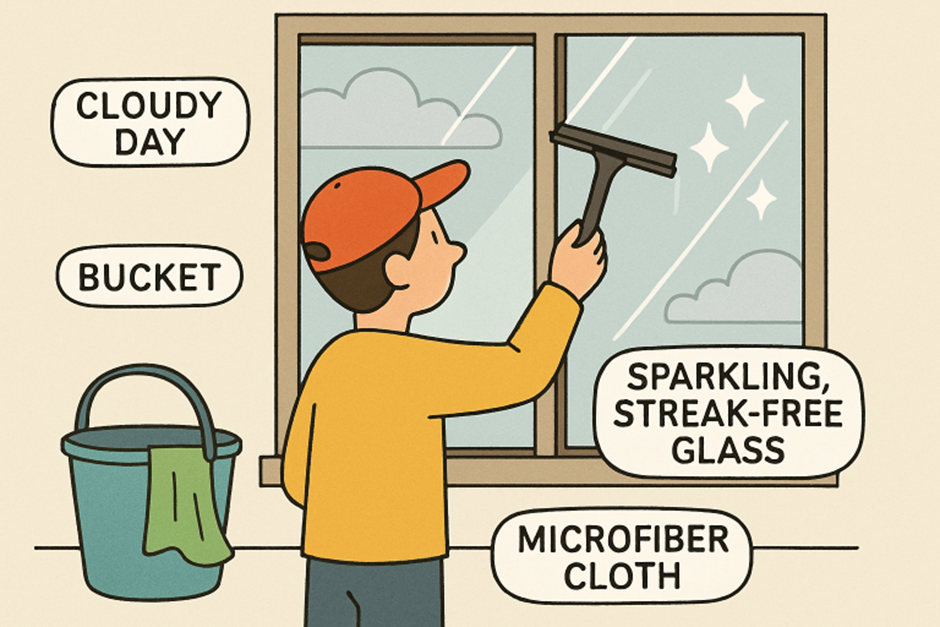
A successful window cleaning routine begins with the right equipment. Microfiber cloths are favored for their ability to trap dirt and dust without leaving behind lint or scratches. Squeegees, particularly those with a sharp, flexible rubber blade, are essential for efficiently removing cleaning solutions and water. Avoid products like paper towels, which often disintegrate and leave fibers or smears on the glass.
Beyond basic cloths and squeegees, consider soft-bristled brushes for frames and tracks. High-quality tools not only simplify window cleaning but can make a significant difference in preventing residue and streak formation.
Select Optimal Weather Conditions
Weather choice is a key variable in streak-free window cleaning. On hot, sunny days, cleaning solution can dry too rapidly, leaving unsightly streaks and grime before you’ve finished. Instead, choose an overcast or cool day, early in the morning or late in the afternoon, to allow more working time. This is especially important for exterior windows exposed to direct sunlight and wind. Timing your cleaning properly helps the solution remain on the glass longer, improving your ability to remove dirt and achieve a shiny, residue-free finish.
Prepare a Homemade Cleaning Solution
Many commercial glass cleaners work well, but homemade solutions are often effective, more economical, and environmentally friendly. Combine equal parts distilled water and distilled white vinegar for a simple yet powerful cleaner. Distilled water reduces mineral buildup and prevents hard water spots. For heavily soiled windows, a drop of gentle dish soap adds extra grease-cutting power. After applying, thoroughly rinse to avoid sticky residues.
Follow Proper Cleaning Techniques
Start window-cleaning efforts by wiping down sills, frames, and tracks. Dust and debris in these areas can be transferred to glass, causing streaks or scratches. When applying your solution, use circular motions to loosen grime, then use a squeegee to remove it. Work in a top-to-bottom “S” pattern rather than a straight up-and-down movement. Wipe the squeegee’s blade with a clean cloth after every pass to maintain its effectiveness.
Address Stubborn Stains
Some stains, such as those caused by hard water or bird droppings, may cling to glass despite regular cleaning. For these, mix a small amount of baking soda with water to form a gentle abrasive paste. Apply to the stain, let sit briefly, then scrub gently with a soft cloth or sponge. Be sure to rinse the surface thoroughly. Regularness in handling these spots helps preserve the clarity and longevity of your windows.
Maintain Your Cleaning Tools
Proper maintenance of cleaning supplies is crucial for streak-free results. Wash microfiber cloths with mild, unscented detergent and avoid fabric softeners, which can leave residues that streak glass. Replace squeegee blades if they become worn or have nicks. Store your gear in a dry, clean environment to avoid cross-contamination, which can introduce dirt or oils to your glass during your next cleaning session.
Safety Considerations
Safety should always be at the forefront, particularly when cleaning upper floors or using extension tools. Use ladders only on stable, flat surfaces and never stretch beyond your reach. For second-story windows, consider telescopic poles and keep a helper nearby when using ladders. Always follow the manufacturer’s recommendations for your equipment to avoid falls or injuries. Prioritizing safe habits is especially important when integrating window cleaning into broader seasonal or annual home maintenance.
Conclusion
Adopting the right techniques, tools, and cleaning routines can help any homeowner achieve streak-free windows that brighten and beautify the home. Consistency and mindfulness, including attention to stubborn stains, tool maintenance, and both safety and weather considerations, make a major difference in final results. By following these best practices, you can enjoy spotless, clear windows year-round and lay a strong foundation for comprehensive home care.