Key Takeaways
- Utilizing proper personal protective equipment is essential in reducing common injuries.
- Routine tool and equipment inspections can help prevent accidents and service interruptions.
- Effective ventilation systems are crucial for managing hazardous fumes and maintaining healthy air quality.
- Applying ergonomic techniques reduces the risk of long-term injury among staff.
- Ongoing emergency training ensures preparedness for unexpected incidents in the shop.
Safety in auto body repair shops is critical for protecting both technicians and customers, as well as ensuring the quality and efficiency of repairs. From the moment a vehicle enters an auto body shop, staff must manage various hazards that range from chemical exposure to heavy equipment use. Implementing strong safety protocols not only meets industry regulations but also promotes a culture where each team member feels valued and secure in their working environment.
Understanding and utilizing the best practices in safety leads to fewer workplace incidents and higher overall productivity. These best practices cover the use of personal protective equipment, regular equipment maintenance, and careful monitoring of indoor air quality. Shops that prioritize safety training and ergonomic practices show measurable improvements in employee health and morale, leading to a safer and more effective work environment.
Moreover, many procedures that ensure safety, such as maintaining clear walkways and providing adequate ventilation, also contribute to a shop’s operational efficiency and reputation. Federal guidelines, including those from OSHA, provide a robust foundation upon which shops can build their safety programs. Adhering to such standards is not only a legal requirement but also a hallmark of professionalism in the industry.
Additionally, auto body professionals should stay informed about safety advances and regularly revisit shop policies to incorporate the latest recommendations. This proactive approach can help create a workplace that is both welcoming and resilient, regardless of the size or specialty of the shop.
For technicians faced with damaged vehicles after accidents, adhering to proper protocols during collision repair is essential. These repairs often involve unique safety challenges that benefit from targeted training and specialized protective equipment.
Personal Protective Equipment (PPE)
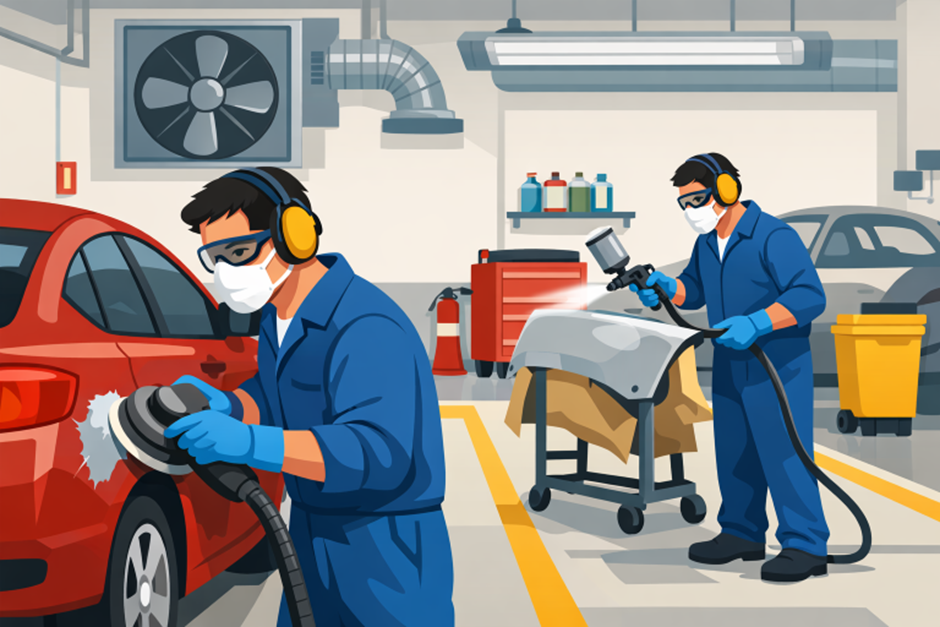
Technicians handle various materials and tools that can pose risks to their eyes, skin, and respiratory systems. Standard PPE used in auto body repair shops includes:
- Eye Protection: Safety glasses or goggles help prevent damage from flying particles, splashes, or sparks.
- Gloves: Wearing gloves resistant to chemicals protects skin from hazardous substances such as solvents and paints.
- Hearing Protection: Use of earplugs or earmuffs is vital in areas with persistent loud noises, helping to prevent hearing loss over time.
- Respiratory Protection: Masks or respirators limit inhalation of fumes, dust, and other airborne hazards present during sanding, painting, or chemical use.
The importance of PPE is highlighted by OSHA, which notes that correct use can drastically reduce workplace injuries and long-term health risks. Resources on appropriate PPE selection and usage can be found at the OSHA website.
Tool and Equipment Maintenance
Regular maintenance of tools and machinery is integral to preventing sudden failures or dangerous malfunctions. Basic steps for ensuring safety in this area include:
- Daily inspection of hand and power tools for damage or excessive wear.
- Using all tools strictly according to manufacturer guidelines and best practices, providing additional training as needed.
- Utilizing lockout/tagout systems during repairs or cleaning to avoid accidental equipment activation, which may cause injuries.
Inadequate maintenance not only raises the risk of injury but can also reduce the life expectancy of equipment and disrupt business operations.
Ventilation and Air Quality
Hazardous substances released during auto body repair, including dust, paint fumes, and solvents, must be contained or diluted to keep workers safe. For this reason, modern repair shops invest in robust ventilation solutions such as:
- Local exhaust systems designed to capture contaminants before they spread through the facility.
- General ventilation, which helps maintain acceptable air quality throughout the shop and reduces the overall concentration of airborne risks.
- Routine replacement of filters and cleaning of ducts to guarantee maximum airflow and filtration efficiency.
Employing such strategies ensures not only employee safety but also compliance with health and safety regulations.
Ergonomic Practices
Repetitive motions and improper body mechanics can take a toll on technicians over time. Emphasizing ergonomics in auto body shops is key to minimizing these issues. Effective strategies include:
- Adjustable workstations and properly designed seating to support good posture.
- Mechanical lifting aids (such as hoists, carts, or dollies) to move heavy parts, reducing the risk of strain or back injury.
- Encouragement of regular breaks and simple stretching routines to prevent fatigue and relieve muscle tension.
Shops that adopt ergonomic practices often notice improvements in overall productivity and reduced injury rates.
Emergency Procedures and Training
Auto body shops are exposed to fire hazards, chemical spills, and medical emergencies. Preparation begins with clear emergency plans and staff education. Recommended measures include:
- Posting readily accessible and easy-to-understand evacuation diagrams.
- Making sure first aid kits are stocked, and that key staff are trained in their use.
- Running safety drills for situations such as fires, chemical spills, or workplace injuries, so that every employee knows how to respond under pressure.
Regular training sessions not only fulfill regulatory requirements but also foster a responsive and knowledgeable team capable of minimizing damage during unexpected events.
Conclusion
For any auto body shop, safety is not just a legal obligation but a business priority that safeguards staff well-being and ensures high-quality repairs. Establishing strong safety measures, from PPE and ventilation to ergonomics and emergency planning, significantly lowers the risk of injury and boosts operational efficiency. As technology and industry standards evolve, so too should a shop’s safety policies, positioning the business as a trusted and responsible service provider in the community.