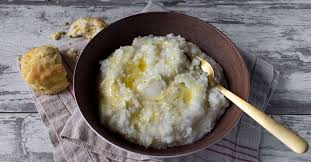
Grits can be part of a balanced diet, but whether they are good for you depends on several factors including how they are prepared, portion sizes, and your overall nutritional goals. When considering grits for weight loss in 2026, it’s important to look beyond the simple question of whether grits are good or bad and instead evaluate their place within your diet and lifestyle.
Understanding What Grits Are
Grits are a ground-corn dish commonly eaten in the southern United States. They are typically made from either white or yellow corn and can be found in instant, quick-cooking, or stone-ground varieties. Each type has subtle differences in texture and nutritional content. Stone-ground grits tend to be less processed and retain more fiber and nutrients compared to instant grits, which are more refined and may have less nutritional value.
Nutritional Profile of Grits
Plain grits are generally low in calories and fat, but they provide primarily carbohydrates with relatively little protein or fiber. A typical serving might contain around 100 to 150 calories and less than 2 grams of fiber. The low fiber content means they may not be as filling as whole grains or other higher-fiber foods. Also, prepared grits often include added butter, cheese, or sugar, which can increase calorie and fat content significantly, altering their suitability for weight management.
How Grits Fit Into a Weight Loss Plan
When considering if grits are good for you during weight loss, portion control is crucial. Large servings or heavy additions can add calories that may hinder weight loss efforts. On the other hand, grits can serve as a satisfying base for nutrient-rich toppings like vegetables, lean proteins, or healthy fats, which may help create a more balanced meal. It is also worth comparing grits to other carbohydrate sources such as oats or quinoa, which tend to have higher fiber and protein content, potentially offering better satiety.
Practical Evaluation Framework for Choosing Grits
To decide if grits fit your weight loss goals, apply this simple checklist:
1. Type of Grits: Prefer stone-ground or less processed varieties for higher nutrient retention.
2. Portion Size: Keep servings moderate, typically around half a cup cooked, to manage calorie intake.
3. Preparation Method: Avoid adding excessive butter, cheese, or sugar. Opt for herbs, spices, or small amounts of heart-healthy fats.
4. Meal Composition: Pair grits with protein sources and vegetables to improve satiety and balance macronutrients.
5. Dietary Needs and Preferences: Consider your overall carbohydrate tolerance, fiber goals, and food preferences.
6. Frequency of Consumption: Use grits as part of a varied diet rather than a daily staple to ensure nutritional variety.
By using these criteria, you can make an informed decision on including grits in your meals in a way that supports your weight management efforts.
Additional Considerations About Grits and Health
While grits are corn-based and gluten-free, they are not a whole grain unless labeled as such. Whole grain products often provide more vitamins, minerals, and antioxidants. If you are seeking specific health benefits from grains, you may want to compare grits with whole grain options to find what best suits your dietary objectives. Also, individual responses to carbohydrate-rich foods can vary, so monitoring how your body responds after eating grits can be a useful guide.
For more detailed insights on the role of grits in weight loss and health, you can refer to the FormBlends guide, which offers a comprehensive look at nutritional factors and practical advice on incorporating grits wisely.
Frequently Asked Questions About Grits and Weight Loss
Are grits a good source of fiber?
Plain grits have relatively low fiber compared to whole grains. Choosing less processed versions can improve fiber intake slightly.
Can grits cause weight gain?
Grits themselves are unlikely to cause weight gain if consumed in appropriate portions and without high-calorie toppings. Overeating or adding fats and sugars can contribute to excess calories.
How do grits compare to oatmeal for weight loss?
Oatmeal generally contains more fiber and protein than grits, which may help with fullness and blood sugar control. However, grits can still fit into a balanced diet when prepared healthily.
Final Note
This information is intended for general knowledge and should not replace personalized advice from healthcare or nutrition professionals. Always consider your individual health needs when making dietary choices.