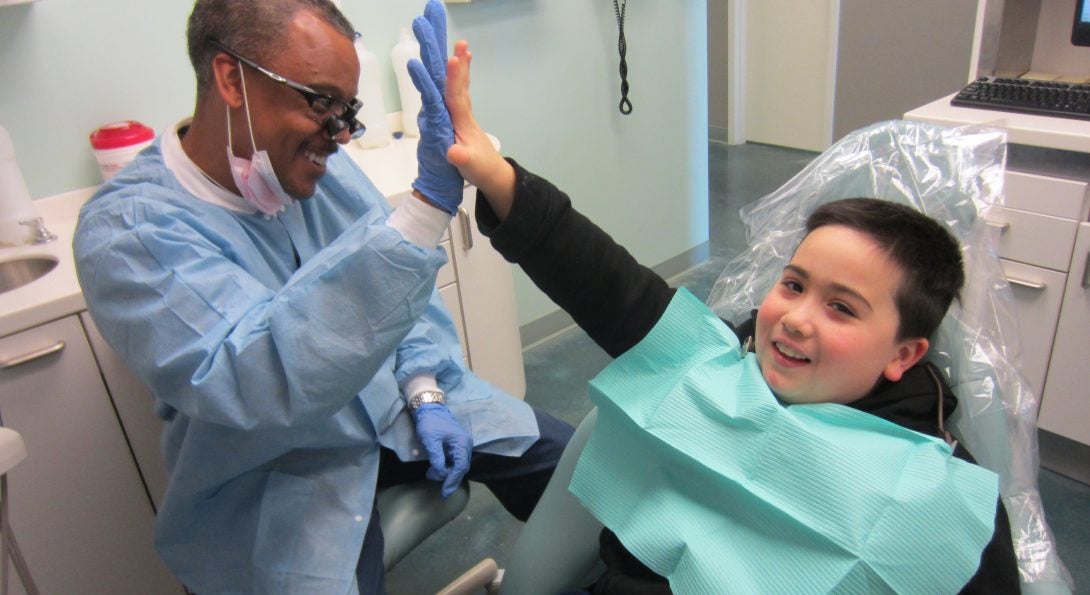
Oral health should not depend on your income, race, or ZIP code. Yet many people live with pain, broken teeth, and infections because care feels out of reach. Preventive dentistry changes that pattern. It stops small problems before they grow into emergencies. It protects children and adults who often get ignored. A Pacific Grove dentist can use simple steps like cleanings, sealants, and fluoride to cut disease. These tools cost less than emergency visits and extractions. They also protect you from missed work, school absences, and long waits in clinics. This blog explains how preventive care reduces gaps between groups. It shows how strong public programs, fair access, and clear information can lower risk for everyone. It also offers concrete actions you can use today to protect your mouth and support others who face barriers.
How Poor Oral Health Fuels Inequality
Tooth decay and gum disease hit some groups much harder than others. Children from low income homes lose teeth earlier. Adults in rural towns often wait until pain feels unbearable. People of color face higher rates of untreated decay. These patterns are not random. They come from three linked problems.
- Low access to regular care
- High cost of treatment
- Limited clear information about prevention
The result is harsh. You see more extractions than fillings. You see infections instead of quick cleanings. You see shame, quiet fear, and silence in place of simple care. Preventive dentistry breaks this chain.
What Preventive Dentistry Includes
Preventive dentistry focuses on stopping disease before it harms you. It uses small, steady actions that fit daily life. Core tools include three simple steps.
- Regular checkups and cleanings
- Fluoride in toothpaste, water, and varnish
- Sealants on the chewing surfaces of back teeth
Each step protects you from decay and infection. Each step costs less than a root canal or denture. When whole communities use these tools, gaps between groups begin to shrink.
Evidence That Prevention Works
Public data shows clear gains. The Centers for Disease Control and Prevention reports that sealants cut decay in children’s back teeth by about half. You can read more in their sealant overview at CDC dental sealant programs. Fluoride in drinking water also reduces cavities for children and adults. The National Institutes of Health and many state health departments support this practice.
The table below gives a simple comparison.
| Type of care | Typical timing | Average visits needed | Impact on inequality |
|---|---|---|---|
| Checkups and cleanings | Every 6 to 12 months | Short, planned visits | Lower disease across all income groups |
| Sealants for children | When first and second molars erupt | One quick visit | Big cavity drop in low income schools |
| Fluoride varnish | Several times each year | Can be done in clinics or schools | Strong benefit for high risk kids |
| Emergency extractions | After severe pain starts | Often repeated over years | Deepens gaps and tooth loss |
How Preventive Dentistry Reduces Gaps
Preventive care reduces oral health gaps in three main ways.
1. It reaches people earlier in life
When children see a dentist by age one, parents learn simple home routines. They learn how to clean baby teeth. They learn how to limit sugary snacks and drinks. Early visits help the child feel safe in the chair. This early trust makes later care easier and more steady.
2. It lowers total costs for families
Fillings, crowns, and dentures cost more than checkups and sealants. When prevention works, you avoid many large bills. Families then keep more hard earned money. They also avoid time away from work and school. This matters most for people with hourly jobs and no paid leave.
3. It supports strong public programs
School sealant programs and community clinics reach children who might never see a private dentist. These services use simple methods that work at scale. A single dental team can protect hundreds of children in a week. This kind of reach narrows the gap between rich and poor communities.
Public Health Tools That Help
Community water fluoridation is one of the strongest tools. It protects teeth without any extra step from you. The American Dental Association and the U.S. Public Health Service support it based on decades of research. You can learn more from the U.S. Office of the Surgeon General at Oral Health in America report.
School based sealant programs also help. They target schools with many children from low income homes. Consent forms go home. Then children receive sealants at school. No parent needs to take time off or find transport. This model reduces missed care and supports equal protection.
Barriers You Might Face
Many people still feel locked out of preventive care. You might face three common barriers.
- No dental insurance or low coverage
- Few dentists nearby who accept Medicaid
- Fear, past trauma, or shame about your teeth
These barriers feel heavy. Yet they are not your fault. Public programs, mobile clinics, and sliding fee scales can help. So can clear talk with a dentist who respects your history.
Steps You Can Take Today
You can start with small actions.
- Schedule a checkup if you have not seen a dentist in the last year
- Ask about fluoride varnish and sealants for your children
- Use fluoride toothpaste twice each day
- Limit sugary drinks to mealtimes
- Reach out to community health centers for low cost options
You can also speak up. Encourage your school or faith group to host oral health events. Support local efforts to keep fluoride in community water. Share clear, simple facts with family and neighbors.
Why Your Voice Matters
Preventive dentistry works best when whole communities take part. Dentists, hygienists, teachers, parents, and children each play a role. When you seek preventive care, you protect your own health. You also send a message that every mouth deserves attention, not only during a crisis. That message cuts through long standing inequality and opens steady paths toward relief and dignity.