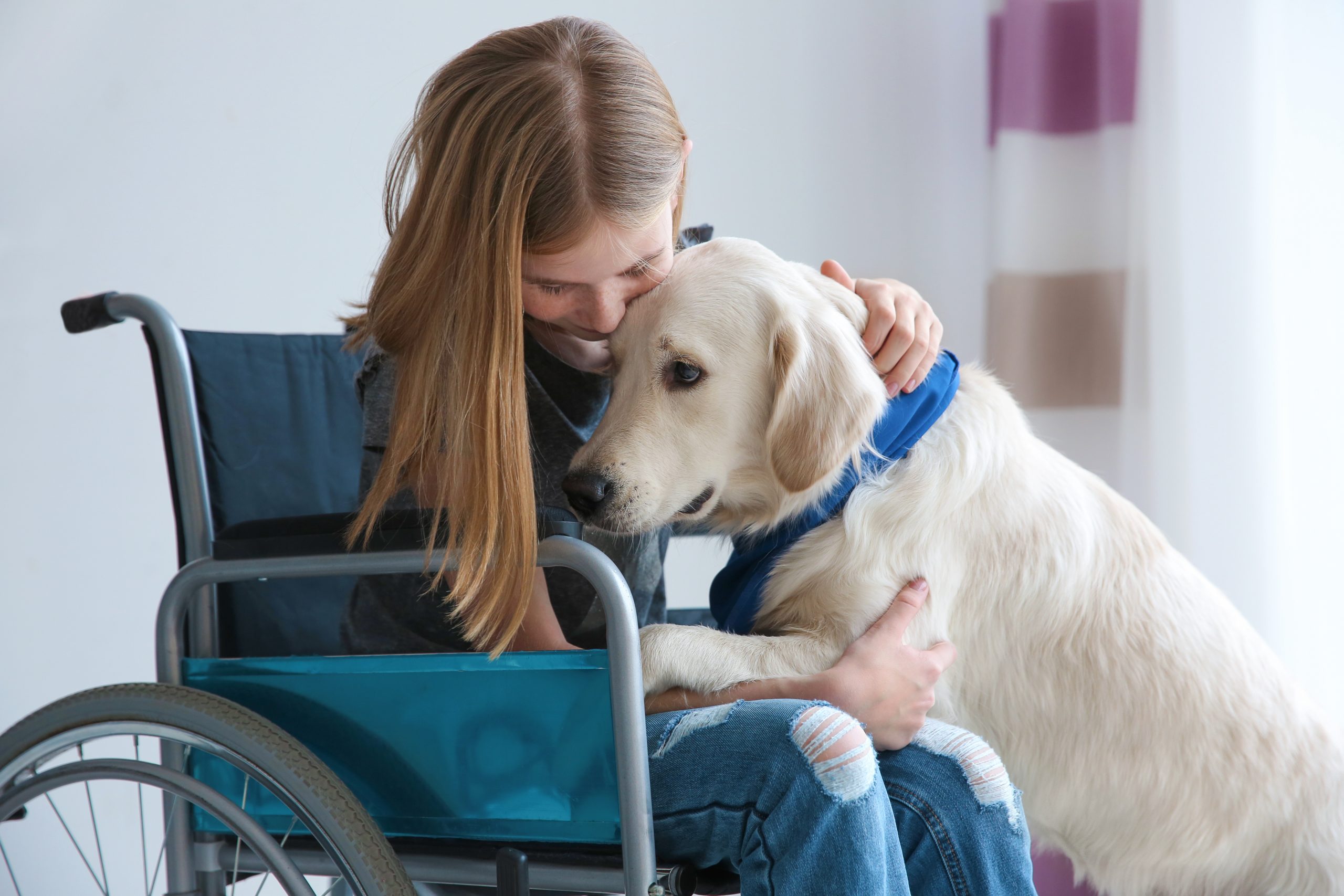
You might be feeling a mix of love and worry right now. Your pet is not “typical” anymore, or maybe never was. Maybe your dog just lost a leg, your cat is losing vision, or your senior pet is having trouble getting up and moving around. As a Royal Palm Veterinarian might remind you, you still see the same soul in their eyes, but daily life suddenly feels more complicated.end
Before all this, walks were simple, feeding was routine, and you did not think twice about leaving your pet alone for a few hours. After a diagnosis or a sudden accident, everything changed. Ramps, medications, diapers, special diets, and constant monitoring might now be part of your world. It is a lot, and it can feel lonely.
You are not failing your pet. You are adapting. And this is exactly where a trusted animal hospital can become your partner. In simple terms, animal hospitals that support pets with special needs help you manage medical care, daily comfort, and long term safety, so your pet can still have a good life and you can breathe a little easier.
So what can an animal hospital actually do for a pet who does not fit the “healthy, average” mold anymore? Here are five key ways they step in to help you both.
How do vets help you understand your pet’s physical challenges?
One of the hardest parts is not knowing what your pet is truly capable of anymore. Are you pushing them too hard, or not enough? Are they in pain, or just tired? You may find yourself guessing, which is scary when you love them as much as you do.
Special needs can mean a lot of things. Mobility issues like paralysis or amputation. Chronic conditions like diabetes, kidney disease, or heart trouble. Sensory changes like blindness or deafness. Or cognitive and behavioral changes, especially in older pets. Each comes with its own set of daily decisions.
An experienced animal hospital team starts by giving you a clear picture. Through exams, imaging, and simple function tests, they show you what your pet can and cannot safely do. Resources like the AVMA guidance on physical challenges in pets can also explain common conditions in plain language, which helps you feel less in the dark.
With that understanding, your vet can design a care plan that respects both your pet’s limits and their personality. For example, a three-legged dog might still enjoy gentle hiking with a brace and pain control, while a dog with advanced arthritis might need short, flat walks and more rest. The plan is tailored, not copied from a textbook.
What medical and rehab support can an animal hospital provide?
Once you know what is going on, you still have to figure out how to keep your pet as comfortable and active as possible. This is where medical care and rehabilitation come together.
For many pets with special needs, pain control is a daily issue. Long-term medications, joint supplements, injections, or special diets can make a huge difference. Your vet monitors bloodwork and organ function to keep treatment safe over time, which is something that is very hard to manage alone.
Some animal hospitals also offer rehab services. That can include hydrotherapy in a water treadmill, therapeutic exercises to rebuild muscle, or laser therapy to ease inflammation. Even simple at-home exercises, taught by a rehab-trained vet or technician, can help your pet stand, walk, and balance more confidently.
You might wonder if this is “too much” or if your pet will resent all the handling. In many cases, pets actually relax once their bodies hurt less and they can move more freely. The key is working with a team that reads your pet’s signals and moves at their pace.
How do animal hospitals make your home and routine safer?
Medical care is only part of the story. You still need to get through every day at home. This is where practical safety planning matters a lot, especially for pets with blindness, limited mobility, or confusion.
Your vet can help you “pet-proof” in a new way. Instead of just removing chew hazards, you are now thinking about falls, access, and emergency risks. For example, if your pet is wobbly, stairs may need gates, and floors may need rugs for traction. If your pet is blind, furniture should stay in consistent spots, and sharp corners should be padded.
They can also warn you about common household items that are surprisingly risky for special needs pets. The FDA shares useful information on potentially dangerous items your pet might encounter at home, from medications to foods to small objects that are easier to swallow when a pet has poor coordination or vision.
Beyond the home, an animal hospital can help you prepare for natural disasters or unexpected events. Pets with mobility issues or medical devices like feeding tubes or insulin schedules are especially vulnerable if you have to evacuate. The FDA’s guidance on how to take care of pets when disaster strikes can be combined with your vet’s advice to build an emergency kit that includes medications, special food, and any assistive devices your pet needs.
What are the tradeoffs of managing special needs care on your own?
You might be torn between doing as much as possible at home and relying on your animal hospital for frequent visits. Money, time, and stress all play a role in that decision. So, where does that leave you when you are trying to choose the right balance?
The table below compares common “do it yourself” choices with support from an animal hospital for special needs pets. It is not about saying one option is right for everyone. It is about giving you a clearer view of the tradeoffs.
| Care Area | DIY at Home | With Animal Hospital Support |
|---|---|---|
| Pain & medication management | Rely on internet advice, over-the-counter products, or guesswork. Risk of under-treating pain or using unsafe drugs. | Customized prescriptions, regular monitoring, and dose changes as your pet’s condition shifts. |
| Mobility & rehab | Home exercises chosen by trial and error. Risk of overdoing it or using the wrong equipment. | Rehab plan tailored to your pet, with safe exercises, braces, carts, or harnesses chosen by trained staff. |
| Home safety planning | Basic pet proofing based on common sense. Easy to miss risks unique to your pet’s condition. | Guided walk-through of hazards, with ideas specific to blindness, arthritis, seizures, or cognitive decline. |
| Emergency & disaster readiness | General emergency kit that may not include meds, cooling or warming options, or special food. | Written plan for evacuation, medication lists, and supplies based on your pet’s medical needs. |
| Emotional support for you | Shouldering decisions alone, often second-guessing yourself. | Team to answer questions, adjust plans, and reassure you when you are doing the right thing. |
Many families land somewhere in the middle. They handle daily routines at home, but keep a close relationship with their animal hospital for checkups, medication checks, and problem-solving when something changes.
What can you do right now to support your special needs pet?
When everything feels heavy, simple steps help. You do not need a perfect long-term plan today. You only need the next few moves that make life safer and more comfortable for your pet and more manageable for you.
1. Schedule a focused “special needs” visit
If you have not had a dedicated appointment to talk only about your pet’s special needs, ask for one. Bring a list of specific questions. How much pain do you think my pet is in? What should a “good day” look like for them? What are the warning signs that they are struggling?
Ask about the practical supports your animal hospital offers. That might include rehab, home visit options, tech appointments for bandage changes, or telehealth check-ins to review videos of how your pet walks or behaves at home.
2. Create a written home and emergency plan
Use what you learn from your vet and the trusted resources above to write down simple routines. Morning meds and feeding. Safe exercise options. How to handle bathroom needs. Who can help if you are sick or away?
Then add an emergency section. List your pet’s diagnoses, medications, doses, and vet contact information. Include a short “go bag” list tailored to your pet, inspired by the disaster preparation tips for pets. Even a one-page plan can lower your anxiety when something unexpected happens.
3. Adjust the home environment for comfort and safety
Walk through your home while imagining how it feels in your pet’s body. If their joints hurt, are there soft beds in the rooms where you spend the most time? If they cannot see well, are there clear paths without clutter? If they are wobbly, can you add rugs or yoga mats on slippery floors?
Remove or block access to items that could cause harm, especially if your pet is confused, blind, or has trouble chewing and swallowing. The list of potentially dangerous household items for pets is a useful checklist as you do this.
Holding on to hope while caring for a special needs pet
Caring for a pet with special needs is not a straight path. There will be days when you feel strong and grateful and days when you are exhausted and unsure. Both are normal. What matters is that you are showing up, asking questions, and seeking support.
An experienced animal hospital cannot erase your pet’s challenges, but it can share the load. Medical care, rehab, safety planning, and emotional support all work together so your pet can still have comfort, joy, and connection with you.
You do not have to figure everything out today. Start with one step. Reach out to your veterinary team, ask for a special needs-focused visit, and begin shaping a plan that fits your pet and your life. Your care already means more to your pet than you know.