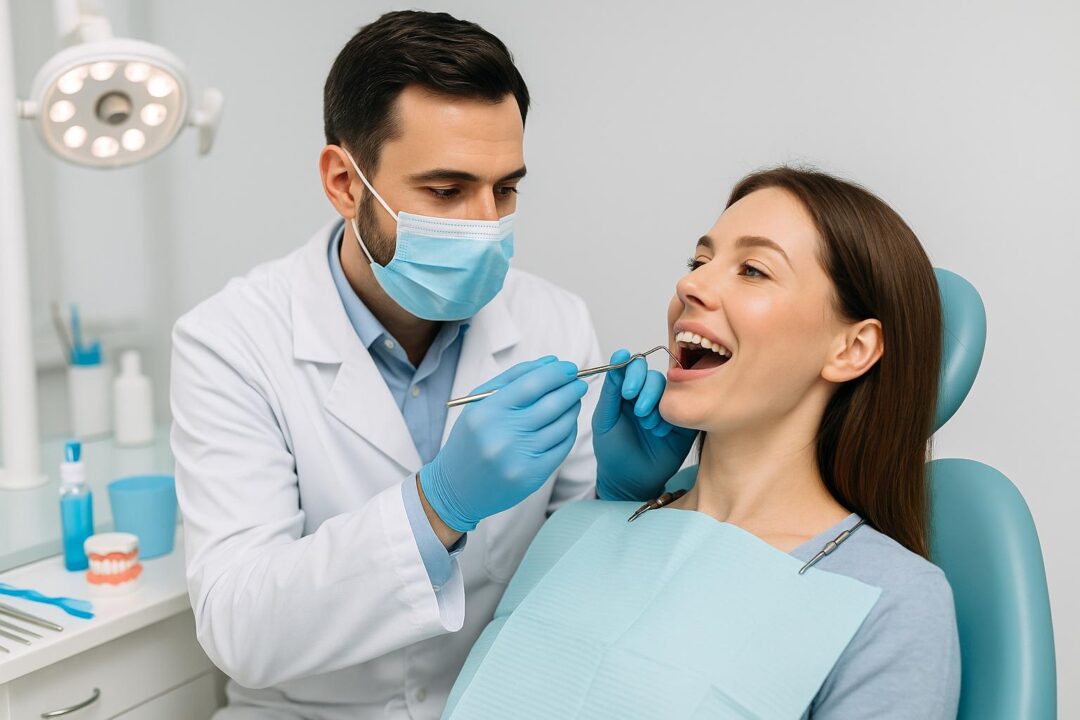
You might be feeling like you are doing “most things right” for your family’s teeth, yet cavities still show up at every checkup. At our dental office in Fairfield CA, you buy the children’s toothpaste, you remind everyone to brush, and you try to limit candy. Still, the dentist points to new spots on the X‑rays, and you walk out wondering what you are missing.
That gap between your effort and the results you see can feel frustrating. You care about your family’s health. You do not want your child in the dental chair for another filling, and you certainly do not want to keep paying for problems that seem preventable. Because of this tension, you might wonder if there is something deeper going on than just “brush and floss more.”
This is where dental nutrition counseling for families becomes so powerful. It connects what your family eats and drinks with what actually happens to their teeth and gums. When you understand how food choices affect oral health, you can shift from constantly reacting to dental problems to quietly preventing them day after day at the kitchen table.
In simple terms, here is the big picture. Certain foods fuel cavity‑causing bacteria, other foods protect and rebuild teeth, and timing matters just as much as the type of snack. A family dentist who talks with you about nutrition is not judging your grocery cart. They are giving you a way to get fewer cavities, less dental pain, and calmer visits for everyone.
Why are we still getting cavities if we brush every day?
Imagine a typical weekday. Breakfast is rushed. Someone grabs cereal, someone else eats a granola bar in the car, and maybe there is a juice box involved. Lunch at school includes milk, crackers, and a small dessert. After school, there is a sports drink, a snack pouch, and maybe some fruit snacks. By dinner, everyone has often eaten, but their teeth have not been brushed since morning.
No one in that story is eating something “terrible” every moment. Yet the teeth are under constant acid attack. Every time we eat or drink something with sugar or refined starch, bacteria in the mouth turn it into acid that softens enamel. According to the American Dental Association, frequent exposure to sugary or starchy foods is closely linked to tooth decay, even if overall sugar intake does not seem extreme. You can read more about this connection in the ADA’s guidance on nutrition and oral health.
Now add the emotional side. You might feel guilty about the snacks you allow, or defensive because you are doing your best with limited time and budget. You might also feel confused when one child gets cavities, and another does not, even though they seem to eat the same foods. That confusion is real. Tooth decay is not just about “too much candy.” It is about patterns, timing, saliva flow, medications, and even how teeth developed before birth.
This is why a simple “brush more” message often falls flat. It does not address the real patterns in your family’s life. It does not help you trade one snack for another that still works for your schedule and your child’s preferences.
So what exactly is family dental nutrition counseling?
Think of family oral health nutrition guidance as a focused conversation with your dentist or hygienist about how your everyday meals and snacks affect each family member’s mouth. It is not a diet plan. It is a practical map that shows you where small changes can lead to fewer cavities, less gum inflammation, and better long‑term health.
Here is what that often looks like in real life.
First, your dentist looks at the pattern of problems. Maybe your teenager has repeated cavities between the back teeth. Maybe your younger child has early decay on the front teeth from sipping sweet drinks. Maybe you have bleeding gums from constant snacking and plaque buildup. Each pattern points to certain habits.
Next, the dentist or hygienist asks about your family’s typical day. What is breakfast like? How many snacks happen between meals? What drinks go in water bottles? What does your child like and refuse? This is not a test. It is a way to see where your family is already doing well and where a few tweaks could make a big difference.
Then comes the guidance. You might learn that moving juice from an all‑day sip to a single mealtime, and switching one sticky snack to cheese or nuts, can lower your child’s cavity risk more than brushing a third time. You might hear that pairing carbohydrates with protein and water helps neutralize acids faster. You might be surprised that some “healthy” snacks, like dried fruit or certain granola bars, cling to teeth and cause more damage than you realized.
Underneath these suggestions is a strong base of research. For example, the Centers for Disease Control and Prevention emphasizes limiting sugary drinks for children and focusing on water and milk as daily staples. Their oral health tips for children underline how much drinks and snacks shape a child’s dental future.
So, where does that leave you? It means the problem is not that you are careless. It means you have been working hard without the right map. Nutrition counseling from your family dentist hands you that map so you can protect everyone’s teeth with less guesswork.
How do food choices compare when it comes to cavity risk?
Sometimes it helps to see the differences laid out clearly. The table below compares common snack and drink patterns with their typical impact on oral health. This is not about perfection. It is about making smarter swaps that fit real life.
| Choice or Habit | Common Example | Effect on Teeth | Research‑backed Alternative |
| Frequent sugary drinks | Juice boxes or soda sipped over hours | High cavity risk due to constant acid exposure | Serve juice with meals only and offer water between meals |
| Sticky, slow‑dissolving snacks | Fruit snacks, caramel, gummy vitamins | Cling to teeth and feed bacteria for a long time | Cheese, nuts, fresh fruit that clears faster from the mouth |
| All‑day grazing | Crackers or chips always within reach | Mouth stays acidic, enamel has little time to recover | Set snack times with water in between to let enamel rebuild |
| Low calcium and vitamin D intake | Minimal dairy or fortified foods | Weaker tooth structure and slower repair | Include milk, yogurt, or fortified alternatives as part of meals |
| Balanced, tooth‑friendly pattern | Meals plus planned snacks, mostly water to drink | Lower decay risk and healthier gums | Matches evidence‑based guidance from dental and medical sources |
These patterns are backed by extensive research on diet and oral disease. Large reviews, such as those summarized in the National Institutes of Health’s work on oral health and nutrition, show again and again that what and how often we eat strongly shapes dental outcomes.
What can you do this week to improve your family’s oral health?
You do not need to overhaul your pantry overnight. A few focused steps can start changing your family’s dental future in a quiet but meaningful way.
1. Tame the sipping and grazing
Try this for the next week. Choose one or two “eating windows” between meals for snacks, and outside those times, offer only water. If your child is used to sipping juice or sports drinks all afternoon, begin by limiting those drinks to mealtimes. Explain gently that this helps keep their teeth strong so they can avoid extra visits for fillings.
Even this single change gives the mouth time to neutralize acids and for minerals in saliva to rebuild enamel. Many families notice fewer complaints of “sensitive teeth” when constant sipping slows down.
2. Swap one high‑risk snack for a tooth‑friendly one
Look for the snack that shows up most often and sticks to teeth. It might be gummy snacks, sticky cereal bars, or chips that leave a film on the teeth. Choose just one of these and find a replacement your family can actually accept. Cheese sticks, nuts for older children, yogurt without added sugar, or crunchy vegetables with dip are common wins.
This is not about banning treats forever. It is about shifting your “default” snack to something that works for your schedule and your child’s taste, while quietly lowering cavity risk.
3. Ask your family dentist for personalized nutrition guidance
At your next visit, bring up your questions about food and drinks. A family dentist who understands nutrition can look at your child’s specific pattern of cavities, ask about medications or medical conditions, and suggest targeted changes instead of generic advice.
You might ask:
“Which snacks are most likely causing problems for my child?”
“Are there any protective foods we should add more often?”
“How can we adjust our routine if my child is in braces or has special needs?”
This kind of family dental care conversation turns your dentist into a partner in shaping your shopping list and daily routine. It also shows your child that food choices and tooth health are connected, which can build better habits as they grow.
Moving from constant repairs to quiet prevention
You may feel tired of hearing about new cavities. You may be worried about the cost of ongoing treatment and the stress of watching your child go through another filling. Those feelings are valid. Many parents carry the same mix of concern and guilt, even though they are already doing so much.
The encouraging truth is that you are not stuck with the pattern you have now. When you connect nutrition with dental care, you give your family a new way forward. Small, realistic changes to drinks, snacks, and timing can reduce decay, calm down gum inflammation, and make future checkups far less stressful.
You do not need perfection. You need a clear, kind plan that fits your real life. With thoughtful family dental nutrition counseling, that plan is very much within reach.