You may be staring at a surgery estimate, reading discharge instructions, or trying to decide where to schedule your pet’s procedure with a veterinarian in Clifton, and it can feel like a lot for something people often describe as routine. That word can make the decision sound simple, but when it is your dog or cat going under anesthesia, routine does not feel casual. You want to know why these procedures are so often done at an animal hospital instead of a pop up clinic, rescue event, or low cost service.
The short answer is safety, monitoring, pain control, and follow up care. Spay and neuter procedures are common, but they are still surgeries. They involve anesthesia, sterile technique, recovery monitoring, and the ability to respond fast if something does not go as planned. That is why spay and neuter surgeries at animal hospitals are often the standard choice for pet owners who want a full medical setting around the procedure.
Animal hospitals provide the medical setting spay and neuter surgery requires
A spay is abdominal surgery. A neuter is less invasive, but it still requires anesthesia, surgical skill, pain management, and careful recovery. That changes the conversation right away. This is not just about preventing litters. It is about getting your pet through surgery safely and comfortably.
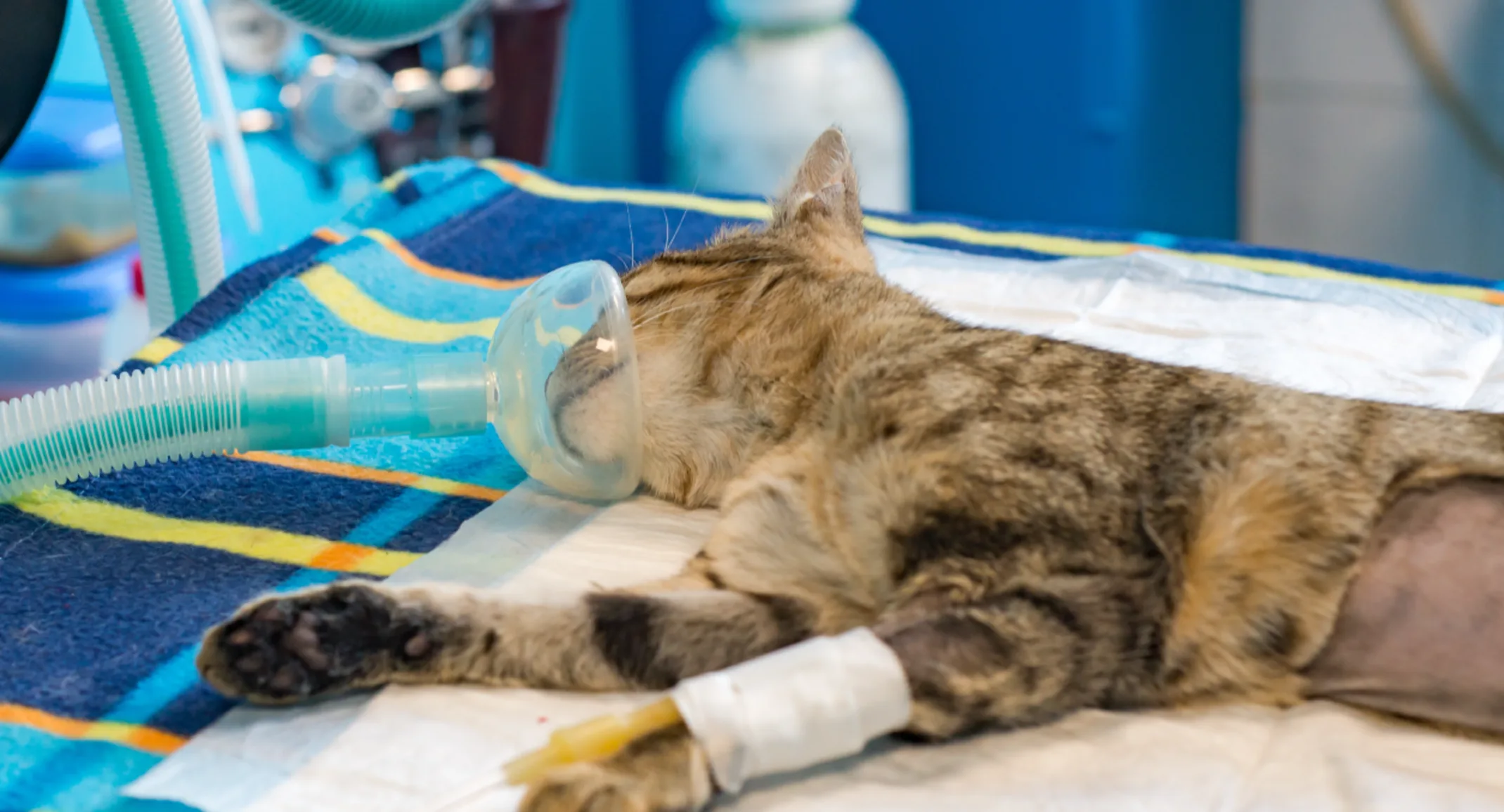
An animal hospital has the basics people tend to assume are automatic, but they are not the same everywhere. Pre surgical exams help catch heart murmurs, breathing concerns, dental disease, obesity, or hidden illness that can affect anesthesia. Bloodwork may be recommended to look at liver and kidney function. During surgery, trained staff monitor heart rate, breathing, oxygen levels, temperature, and blood pressure. If your pet needs warming support, IV fluids, or a change in anesthetic plan, that can happen on the spot.
This is one reason many veterinarians explain that spays and neuters performed in a hospital setting allow for individualized care before, during, and after the procedure.
For many owners, the stress comes from the “what if” questions. What if my pet reacts badly to anesthesia? What if she was healthy at home but something shows up on exam day? What if he wakes up confused and painful? A hospital is built around those moments. That does not mean problems are common. It means the team is prepared if they happen.
Low cost options can help, but they do not always offer the same level of support
Cost matters. For many families, it matters a lot. Spay and neuter access has real public health value, and low cost programs are part of that. The goal here is not to dismiss them. It is to explain why pricing and setting can differ.
High volume clinics often work efficiently and serve an important need, but they may have tighter eligibility rules, less flexibility for pets with medical issues, and more limited post operative support. If your pet is a brachycephalic dog, a senior cat, overweight, in heat, pregnant, cryptorchid, or dealing with another health concern, the procedure may be more complex than the standard fee suggests.
Animal hospitals often adjust the plan to the pet in front of them. That includes anesthetic choices, pain medication, incision care, and recovery instructions. It also includes continuity. If your pet vomits that night, seems painful the next morning, or develops swelling a few days later, you know who performed the surgery and where to call.
The AVMA client brochure on spaying and neutering also explains the broader health and behavior benefits that often come with the procedure, which is another reason veterinarians prefer to manage it within a full medical framework.
Pet sterilization surgery at an animal hospital often includes stronger pain control and follow up
One part owners underestimate is pain management. Pets do not always cry or show pain in obvious ways. They may just go quiet, hide, refuse food, pant, or seem restless. An animal hospital usually builds pain control into the entire process, not just the moment your pet wakes up.
That can include pre operative medication, medication during surgery, and take home prescriptions. It also means the team can tailor that plan if your pet has sensitivities, stomach issues, or needs a different approach. Good follow up matters too. Incision checks, activity restrictions, e collar guidance, and clear discharge instructions reduce the risk of complications caused by licking, jumping, or rough play too soon.
Many hospitals also discuss timing, which owners often find confusing. A procedure for a six month old healthy puppy is different from one for an adult dog that has already gone through several heat cycles. A cat who sprays, a dog with retained testicles, or a rescue pet with an unknown history may need a more detailed plan. Resources from veterinary hospitals offering spay and neuter care often highlight these individualized decisions because they affect both safety and recovery.
Comparing animal hospital spay and neuter care with limited service settings
| Consideration | Animal Hospital | Limited Service or High Volume Setting |
| Pre surgery exam | Usually full physical exam with discussion of risks | May be brief or standardized |
| Bloodwork options | Often available or recommended based on age and health | May be limited or optional only in select cases |
| Anesthesia monitoring | Continuous monitoring by trained veterinary staff | Varies by program and staffing model |
| Pain management | Often individualized before, during, and after surgery | May follow a standard protocol |
| Complex cases | Better suited for pets with medical or surgical complications | May refer out or decline some pets |
| Follow up care | Direct access to the surgical team and medical record | May be more limited after discharge |
Three practical steps before scheduling spay or neuter surgery
Ask what is included in the estimate. A low number can look reassuring until you realize it does not include bloodwork, pain medication, e collar, IV catheter, monitoring, or follow up. Ask for the full picture so you are comparing real care, not just a base fee.
Tell the hospital everything about your pet’s health and behavior. Mention coughing, vomiting, past reactions to medication, heat cycles, appetite changes, and anxiety with handling. Small details can change the anesthetic or recovery plan and make surgery safer.
Plan for recovery before surgery day. Set up a quiet area at home, limit stairs and jumping, have the e collar ready, and know who to call if the incision looks swollen or your pet will not eat. Good recovery starts before your pet leaves for the appointment.
Animal hospitals make a common surgery safer and more predictable
Why Spay And Neuter Surgeries Are Often Performed At Animal Hospitals comes down to one thing. Common does not mean casual. These procedures are done in hospitals because surgery, anesthesia, pain control, and recovery all deserve a medical setting that can adapt to your pet’s needs. If you have been feeling torn between convenience, cost, and safety, that tension makes sense. You are not overthinking it. You are trying to make a careful choice for an animal that depends on you.
When you are ready, schedule a consultation with an animal hospital and ask exactly how they handle exams, anesthesia monitoring, pain management, and aftercare. Clear answers usually make the next step feel a lot less heavy.