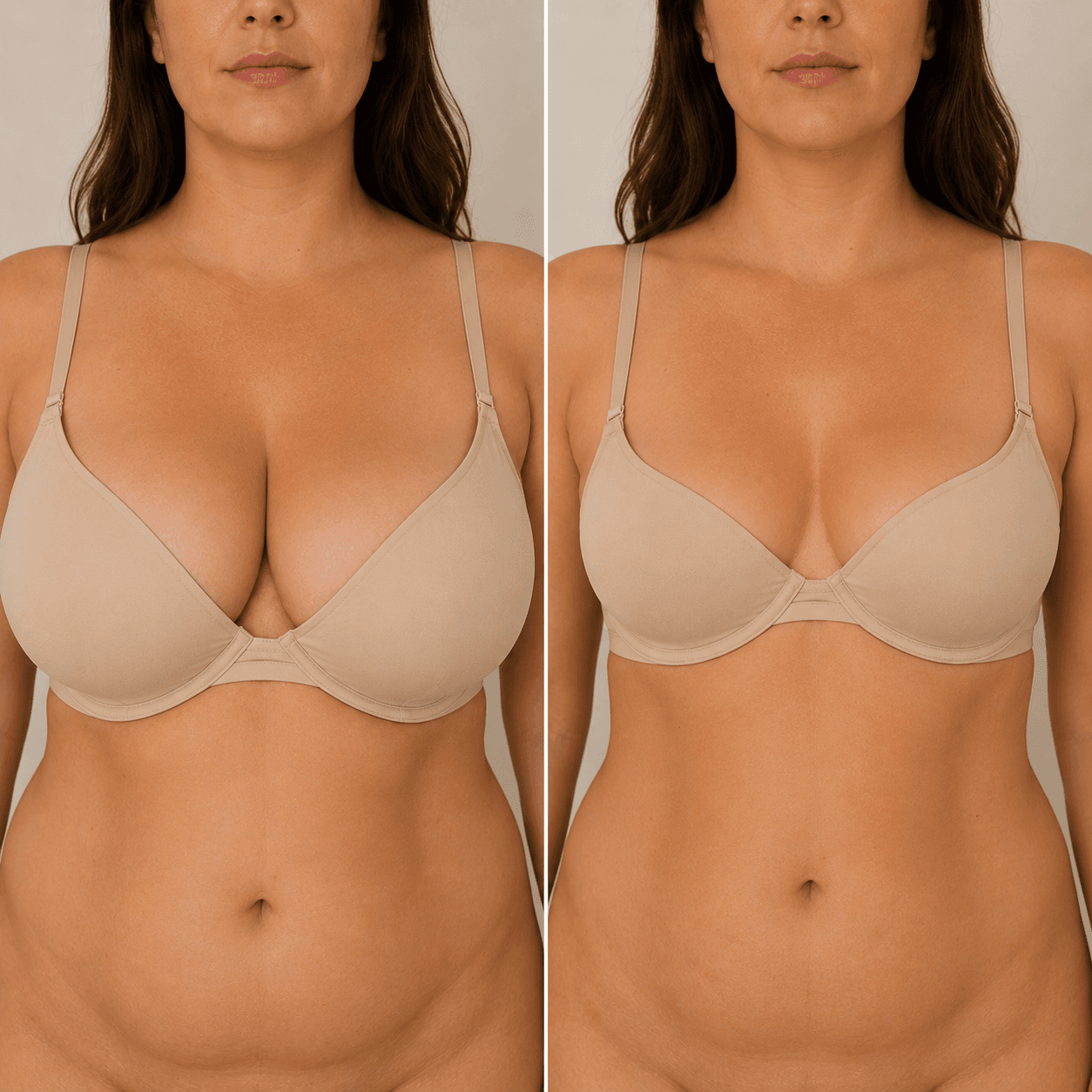
Breast reduction, or reduction mammoplasty, is often seen as purely cosmetic, but many patients choose it for physical comfort. Heavy breasts can cause neck and back pain, shoulder grooves from bra straps, skin irritation and difficulty with exercise. For these patients, surgery can change daily life far more than appearance alone.
Who is a good candidate
Candidates usually have breasts that are large in proportion to their frame and cause discomfort or limit activity. Good general health, a stable weight and not smoking all improve healing. Surgeons often prefer to operate once breast development is complete, and some advise waiting until after planned pregnancies, because pregnancy and breastfeeding change breast tissue.
How the operation works
The surgeon removes excess glandular tissue, fat and skin, then lifts and reshapes the breast and repositions the nipple higher on the chest. The most common incision patterns are the anchor, which runs around the areola, down and along the fold beneath the breast, and the vertical or “lollipop” pattern, which avoids the horizontal cut. In some cases, liposuction alone can reduce size when skin quality is good.
Scars and sensation
Scars are permanent but usually fade and flatten over 12 to 18 months. Nipple sensation may change, and the ability to breastfeed can be affected, so this is worth discussing if you plan children. Ask your surgeon how they preserve blood supply and nerves to the nipple.
Recovery
The operation takes two to four hours under general anaesthesia. Many patients go home the same day or after one night. A supportive surgical bra is worn for about six weeks. Most people return to desk work after one to two weeks and to sport after six weeks. Swelling settles over a few months, and the final shape becomes clear after around six months.
Benefits patients report
- Less neck, back and shoulder pain
- Easier physical activity and sport
- Better-fitting clothes and bras
- Fewer skin problems under the breasts
Preparing for the operation
Surgeons usually ask for a mammogram or breast ultrasound before surgery, depending on age. Blood thinners and some supplements are stopped about two weeks in advance, and smoking should stop well before. Arrange help at home for the first few days.
Questions to ask before surgery
- Which incision pattern do you suggest for me, and why?
- How much tissue do you plan to remove?
- How will the operation affect sensation and breastfeeding?
- What does the price include, from tests to follow-up visits?
Choosing a clinic
Look for a board-certified plastic surgeon who performs reductions regularly, and ask to see results of patients with a similar starting size. Prices vary widely, so compare what each quote includes. Clinics that list their prices and methods openly, such as City Medical Centre, make it easier to compare offers fairly. Taking time to get a second opinion is always reasonable before a decision like this.