Introduction
In recent years, ayurveda online doctor consultation has become one of the most searched health options for people who want natural, personalized guidance without visiting a clinic. Maybe you live far from an experienced practitioner. Maybe your schedule is too busy. Or maybe you simply prefer discussing your health from the comfort of your home. Whatever the reason, virtual Ayurvedic care is changing how traditional medicine reaches modern patients.
But how does it really work? Is it effective? And can something so ancient truly adapt to a digital format without losing its depth? Let’s explore what this type of consultation actually involves, what you can realistically expect, and how to use it wisely.
Core idea explained
What it means in simple words
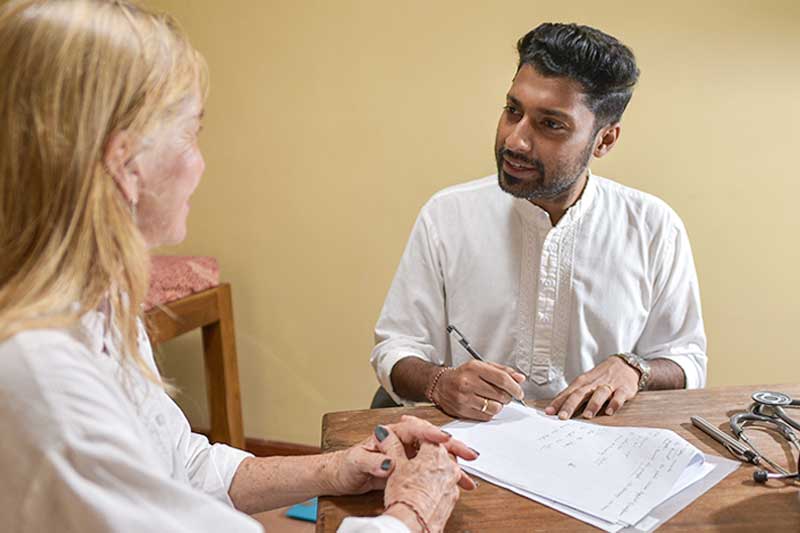
At its heart, a virtual Ayurvedic consultation is a one-to-one interaction with a qualified practitioner through video call, phone, or secure chat. Instead of sitting across a wooden desk in a clinic filled with herbal jars, you speak to your doctor online.
The practitioner still evaluates your symptoms, digestion, sleep, stress levels, energy, emotional patterns, and long-term tendencies. They may ask detailed questions about bowel habits or appetite. Sometimes it feels very personal — because Ayurveda looks at the whole person, not just the disease.
The only difference is the medium. The philosophy stays the same.
Why people search for this topic
People often search for phrases like “best Ayurvedic doctor online,” “natural treatment for hormonal imbalance,” “Ayurveda for digestion problems,” or “how to balance Vata at home.” Many are tired of short appointments and symptom-based care.
Others want a second opinion before starting stronger medication. Some are simply curious about a holistic approach that considers mind and body together. And honestly, convenience plays a big role. When health advice is accessible with a few clicks, it removes hesitation.
Ayurveda perspective
Ayurvedic principles involved
Ayurveda is based on the balance of three doshas: Vata, Pitta, and Kapha. Every person has a unique constitution, called Prakriti, and health issues often arise when this balance shifts.
Even in an online setting, the doctor assesses patterns. Is your digestion irregular and dry? That may suggest Vata imbalance. Burning sensations and irritability? Possibly Pitta. Sluggishness and heaviness could reflect Kapha.
The focus is not only on symptoms but on root cause. Digestion, called Agni, is central. Sleep quality, stress response, menstrual cycle regularity, skin changes — all these small clues matter. It’s sometimes surprising how many details are connected.
Typical patterns people notice in real life
Many people report chronic bloating, fatigue that doesn’t show up on lab tests, recurring headaches, skin flare-ups, anxiety, or hormonal fluctuations. These issues may not feel “serious” enough for hospital visits, yet they affect daily life.
Ayurveda often works well for these long-standing, functional imbalances. However, expectations must stay realistic. It is supportive, not magical. Improvement may take weeks. Sometimes months.
Practical guidance
Daily routine tips
A common recommendation is aligning with dinacharya, the daily rhythm. Wake up at a consistent time. Drink warm water in the morning. Avoid immediately checking your phone — yes, this is harder than it sounds.
Gentle tongue scraping, light stretching, breathing exercises, and mindful meals are often advised. Even small routines stabilize the nervous system. And stability, according to Ayurveda, builds resilience.
Food and lifestyle suggestions
Food guidance is usually simple and warm-focused. Freshly cooked meals are preferred over leftovers. Excess cold, dry, processed items may aggravate imbalance.
Spices like ginger, cumin, coriander, and turmeric are frequently suggested in mild amounts. Not extreme detoxes. Not harsh cleanses. Just steady nourishment.
Lifestyle adjustments may include earlier sleep, reducing overstimulation, managing screen time, and incorporating calming rituals. Sometimes the advice feels almost too basic, but basics done consistently can be powerful.
What to avoid
Avoid self-prescribing strong herbal formulations without professional input. Just because something is natural does not mean it suits your constitution.
Also, avoid expecting instant results. Ayurveda is cumulative. Skipping routines for weeks and then expecting dramatic change will likely lead to disappointment. Consistency matters more than intensity.
Safety and when to seek medical help
Virtual care has limitations. Severe abdominal pain, high fever, sudden chest discomfort, unexplained weight loss, fainting episodes, or persistent bleeding require immediate conventional medical evaluation. Do not delay urgent care while trying natural remedies.
Ayurveda can complement modern medicine, especially for chronic lifestyle disorders, stress-related issues, mild digestive disturbances, or long-term wellness optimization. But it should not replace emergency treatment.
If you are pregnant, managing diabetes, heart disease, autoimmune conditions, or taking prescription medication, always inform both your Ayurvedic and conventional doctors. Integrated care is safer than isolated decisions.
Conclusion
Online Ayurvedic guidance brings ancient wisdom into modern life in a surprisingly practical way. When approached thoughtfully, it offers personalized support, sustainable habits, and deeper self-awareness.
Start with small, safe changes. Listen to your body. Share this article with someone exploring holistic care, and consider taking that first step toward balanced living — gently, realistically, and with proper guidance.
FAQs
Is an online Ayurvedic consultation really effective?
Yes, for many chronic or lifestyle-related concerns it can be helpful. Effectiveness depends on practitioner experience and your consistency in following advice.
How long does it take to see results?
Some people notice subtle changes within 2–3 weeks. Deeper shifts may take longer. It’s not usually instant.
Do I need lab tests before consulting?
Not always, but sharing recent reports can help the practitioner understand your condition more clearly.
Can Ayurveda treat hormonal imbalance naturally?
It may support hormonal balance through diet, stress management, and herbal support, though severe endocrine disorders require medical supervision.
Are herbal medicines safe without supervision?
Not always. Individual constitution matters. Professional guidance reduces risk.
What conditions are commonly discussed online?
Digestive issues, stress, sleep disturbances, skin concerns, menstrual irregularities, weight management, and general wellness planning are common topics.
Is it suitable for children or elderly patients?
Yes, but care plans must be customized carefully, especially for vulnerable age groups.