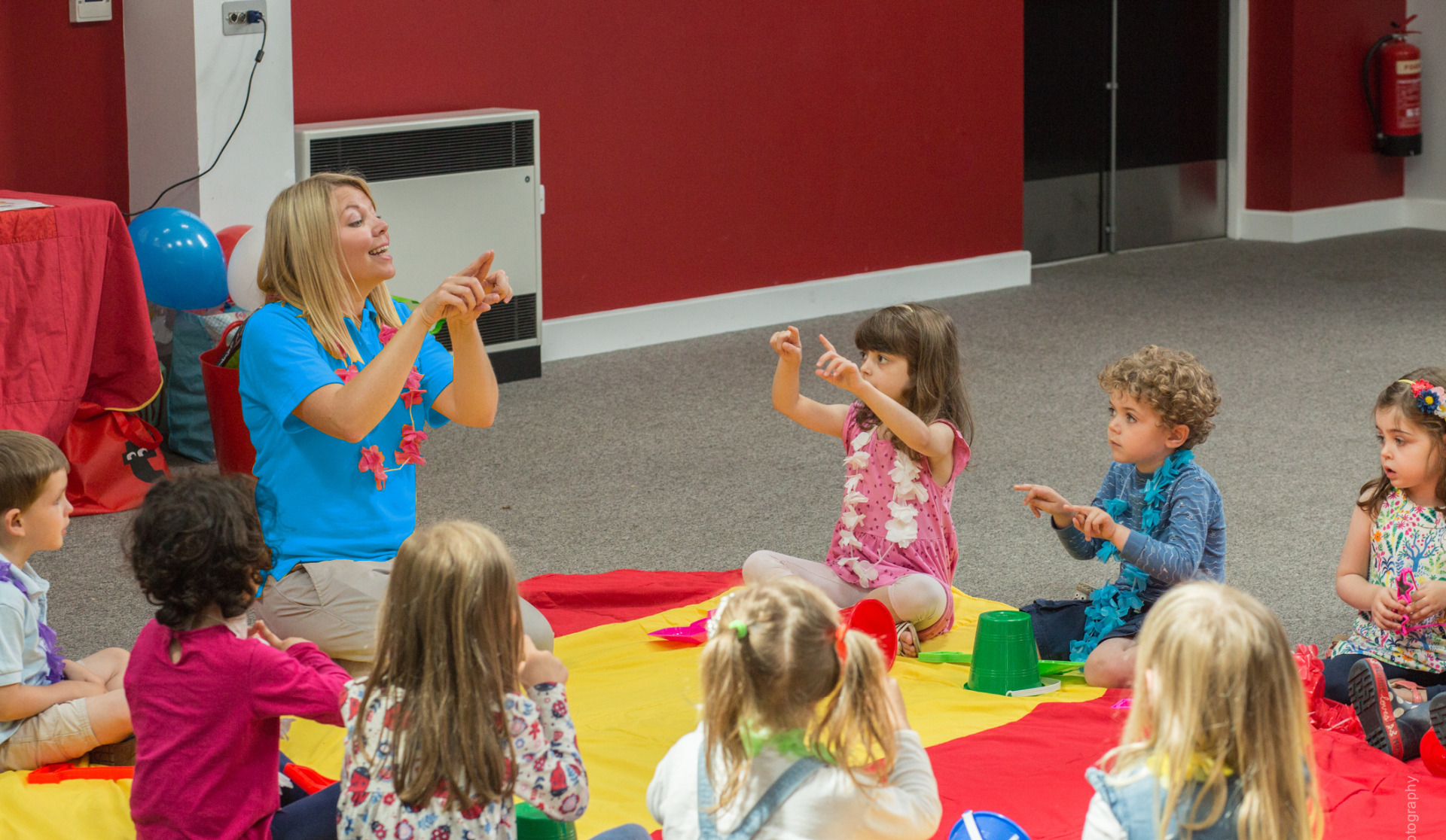
In today’s interconnected world, learning a second language has become more than just an academic advantage — it is a life skill. Research consistently shows that children who grow up learning multiple languages develop stronger cognitive abilities, better memory, and improved problem-solving skills.
Among the many language options available, Italian stands out as a particularly rewarding choice for young learners.
Cognitive Benefits of Learning a Second Language
When children learn another language, their brains form new neural connections. This process strengthens:
- memory retention
- attention control
- multitasking abilities
- creativity
Studies suggest that bilingual children often perform better in tasks that require focus and flexible thinking. Learning vocabulary, grammar patterns, and pronunciation stimulates both logical and creative brain functions.
Why Italian Is a Good Choice for Kids
Italian is considered one of the most melodic and phonetic languages in Europe. For children, this makes pronunciation easier compared to languages with inconsistent spelling rules.
Key advantages include:
1. Clear Pronunciation Rules
Italian words are usually pronounced exactly as they are written. This reduces confusion and helps children gain confidence quickly.
2. Cultural Richness
Italy is known for art, music, fashion, cuisine, and history. Learning Italian opens the door to discovering Renaissance masterpieces, opera, and world-famous traditions.
3. Vocabulary Connections
Many English words share Latin roots with Italian. This familiarity helps children recognize patterns and expand their vocabulary faster.
Early Exposure Leads to Long-Term Fluency
The earlier children begin learning a foreign language, the more naturally they absorb sounds and structures. Young learners imitate pronunciation effortlessly and are less afraid of making mistakes.
However, successful language acquisition requires:
- structured lessons
- regular speaking practice
- engaging and age-appropriate materials
- supportive guidance
While parents can introduce language exposure at home, structured programs ensure consistent progress. For families interested in guided learning, structured Italian lessons online can provide interactive sessions and systematic development tailored to young learners’ needs.
Motivation Through Play and Interaction
Children learn best when lessons are interactive. Songs, games, storytelling, and role-play activities make language acquisition enjoyable and effective. The emotional connection to the learning process is just as important as grammar accuracy.
Positive early experiences with language learning often lead to lifelong curiosity and global awareness.
Final Thoughts
Learning Italian as a second language can enrich a child’s cognitive development, cultural understanding, and communication skills. With proper structure, engaging methods, and consistent practice, children can build a strong linguistic foundation that benefits them for years to come.
Encouraging multilingualism early is not just an educational decision — it is an investment in a child’s future.