Diversified metal fabricators are companies that specialize in a wide range of manufacturing techniques. They have up-to-date machinery and equipment and fabricate different types of metal components. Diversified metal fabricators offer various services such as CNC machining, metal casting, and sheet metal fabrication. Furthermore, they serve many industries including automotive, medical, and construction.
Using a diversified metal fabricator for your project gives you many advantages over your competitors. Having access to different devices in a single location increases efficiency and ensures consistent quality. This article will be your guide on precision metal fabrication. It will explain what a diversified metal fabricator is, the range of services offered, and the industries served.
What is a Diversified Metal Fabricator
A diversified metal fabricator is a company that offers multiple metal fabrication services. This allows you to have access to different equipment and tools in one site. Diversified fabricators are equipped with a wide range of machinery and work with different metal materials to meet individual needs.
Some projects may require the use of two or more metal fabrication processes. For example, you may first cast a metal part before machining it to desired specifications. Using a diversified metal fabrication in this instance will streamline production and reduce the need for multiple vendors. Furthermore, you can easily manage the quality of the final product under one roof. This will reduce the incidence of defects, irregularities, and recalls.
Range of Services Offered by Diversified Metal Fabricators
Diversified metal fabricators offer many services and can handle everything from prototyping to mass production of parts. The following are common metal fabrication services you can get from one manufacturer.
CNC Metal Machining
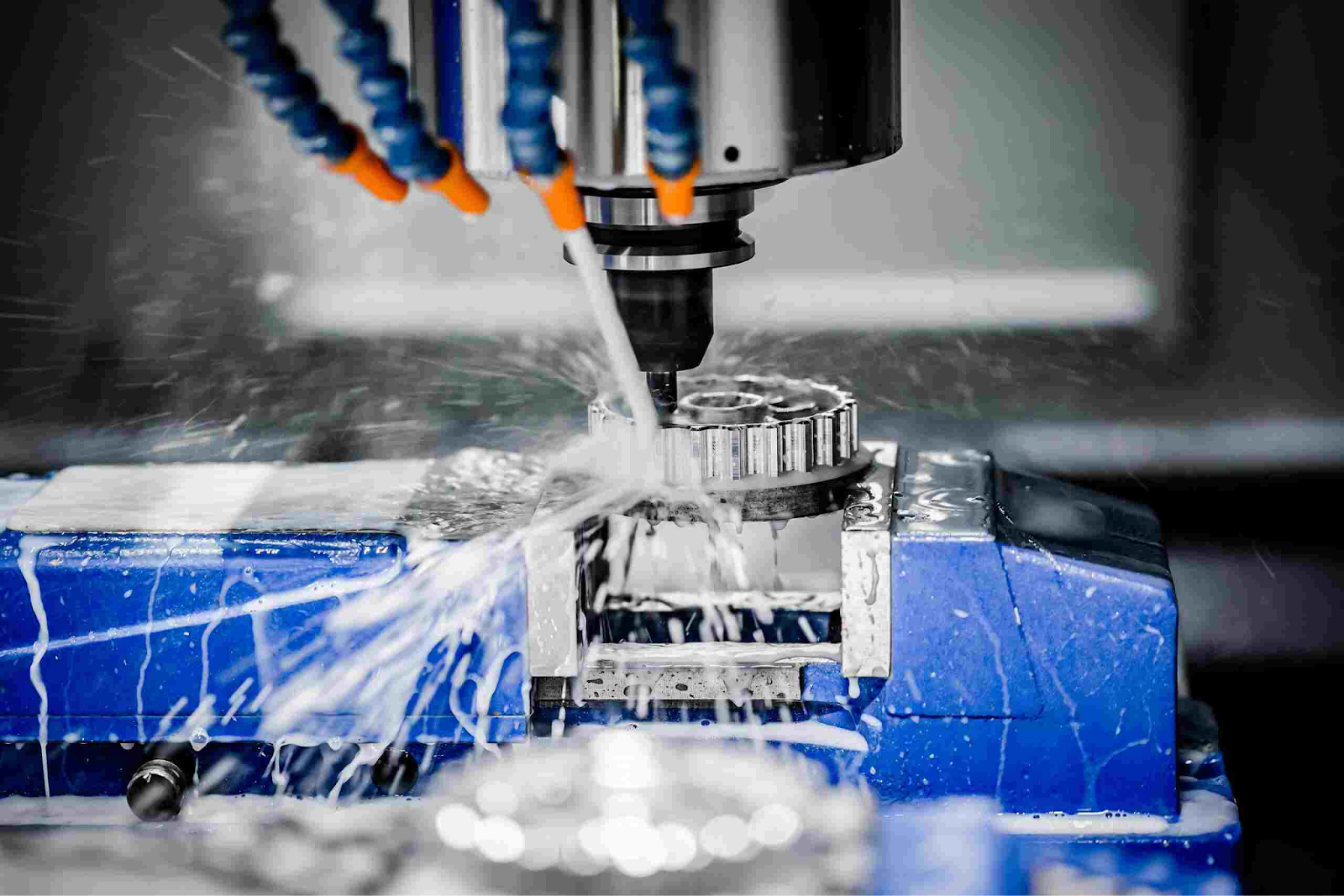
CNC machining is a common metal fabrication method. It is a subtractive manufacturing technique that removes excess material from a metal stock to get the final part. CNC machining is automated and can control a wide range of complex tools and machinery.
The process of CNC machining starts with the creation of a 2D or 3D representation of the final part using CAD software. Thereafter, you convert the model to a CNC-compatible format in the form of G code and M code with CAM software. G code tells the cutting tools how and where to move. However, CNC M code controls miscellaneous functions such as coolant control and start and stop actions. Once everything is set, the final step in CNC is to execute the operation and machine the part.
There are two main categories of CNC machining operations you can carry out. The first type requires the tool to touch the workpiece resulting in a cutting action. Examples under this category include milling, turning, drilling, tapping, and grinding. The second category of CNC machining techniques does not need a physical tool to contact the workpiece. Laser cutting, plasma cutting, water jet cutting, and wire EDM are common examples.
Advantages of CNC Machining
CNC machining increases production efficiency as you can work round the clock with little to no human intervention. The following are some advantages CNC machining has over conventional techniques.
- CNC machining is accurate and gives no room for human errors. With this process, the final parts are the replica of the initial design.
- CNC machining ensures repeatability. Metal fabricators use it for applications that come with tight tolerances.
- CNC machining is a versatile process. It is compatible with a wide range of metal materials such as aluminum, copper, titanium, and brass.
- This process is fast and allows you to produce in large quantities.
Limitations of CNC Machining
CNC machining has a few shortcomings
- The initial cost of purchasing and setting up CNC machining is high.
- CNC machining comes with size limitations. It may not be suitable for very large parts.
Sheet Metal Fabrication
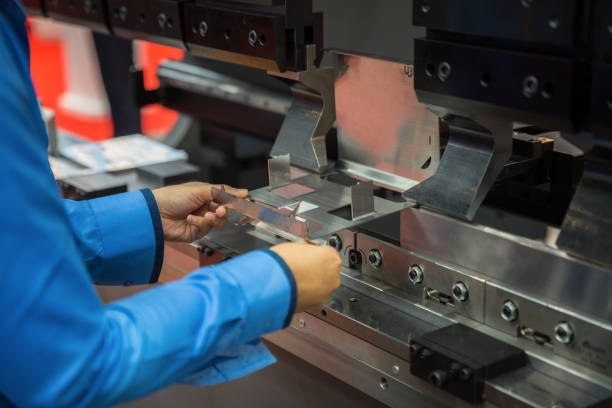
Sheet metal fabrication is another technique diversified fabricators use. It involves turning sheets of metals into functional products by bending and rolling. The thickness of the metal sheets varies and is usually between 0.006 to 0.25 inches. Sheet metal fabrication also begins with the design phase using CAD software to create a representation of the final part.
There are three main types of sheet metal fabrication techniques; cutting, forming, and joining. Cutting is most times the first stage and can be used alone or together with other operations based on requirements. You can cut without shearing or with the use of a shear force. Processes like punching, blanking, and sawing come under cutting with shear. On the other hand, you use laser cutting, plasma cutting, and water jet cutting to cut without shearing.
Furthermore, forming techniques do not add or subtract metal materials. Rather, they reshape into various forms. Forming includes rolling, bending, and stamping. It may also involve hemming and curling to make the metal part safer for handling. The last category of sheet metal fabrication techniques is joining. Here, you use various welding techniques to permanently join two or more metal parts. However, if the goal is to create temporary joints, there are different types of rivets you can employ for the operation.
Companies like AMG Industries, renowned for their expertise in metal stamping in Ohio and leaders in advanced fabrication techniques, ensure high-quality and durable results for their clients.
Advantages of Sheet Metal Fabrication
The following are some benefits sheet metal fabrication offers.
- Most sheet metal fabrication techniques have a low cost when compared to other processes.
- It is an accurate means of producing lightweight components.
- There are different techniques and materials you can use for your project.
Disadvantages of Sheet Metal Fabrication
Sheet metal fabrication comes with the following shortcomings
- This process leads to a higher scrap rate and material waste.
- Some operations require manual interventions which can be tasking.
Metal Casting
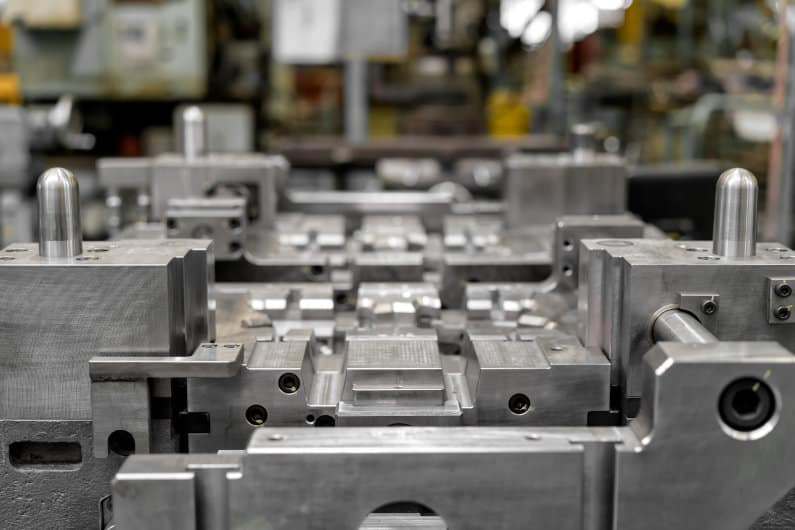
Metal casting is an old process that has undergone recent technological developments. It involves creating functional parts using a pattern or mold. The first step in metal casting is preparing the mold that contains a negative impression of the final shape. You then heat the metal above its melting point in a furnace or an open flame. The next step is to pour the molten metal into the mold cavity.
Once in the mold, allow the liquified metal to cool and solidify slowly. You can then open the mold cavity and remove the final casting. Finally, trim off excess material and polish the cast metal object as needed. Furthermore, metal casting may include die casting, sand casting, investment casting, or vacuum casting.
Depending on the type, you can reuse the molds and produce identical parts that are of high quality. This metal casting process described above is a general one. The different types of metal casting process may include specific modifications.
Advantages of Metal Casting
Though metal casting requires a high initial investment, the production cost reduces as you scale up production. Advantages of metal casting include
- Metal casting is ideal for small-scale production of complex shaped parts.
- It results in less waste and you can reuse the excess material trimmed off.
- Metal casting allows for greater design flexibility.
- You can cast both ferrous and nonferrous metals easily.
Disadvantages of Metal Casting
The following are some limitations you may encounter with metal casting
- It takes time to produce the mold and kick off operations. This makes metal casting not suitable for rapid prototyping
- The final parts have a limited surface finish and are not ideal for applications with tight tolerances.
Industries Diversified Metal Fabricators Serve
All manufacturing industries that deal with metal materials benefit greatly from diversified metal fabricators. Let’s look at some industries that use all round metal fabrication services.
Aerospace Industry
Aerospace manufacturers use various metal fabrication techniques to produce end-use parts. CNC machining is a popular process because most aerospace components come with tight tolerances. Examples of these CNC-machined components include engine parts, enclosures, manifolds, and fuel nozzles.
Automotive Industry
Vehicle production involves a combination of machining, casting, and other fabrication techniques. You utilize these operations to manufacture strong and lightweight parts using different metals. Metal fabrication is vital in the production of body panels, frames, interior components, and braking systems.
Medical Industry
From surgical devices to implants, diversified metal fabricators serve the medical industry in many ways. They carefully manufacture these tools and equipment to meet stringent regulations and guidelines. Note that these devices must be sterile and compatible with body fluids and tissues.
Construction Industry
Diversified metal fabricators also play a huge role in the construction sector. Sheet metal fabrication is an efficient way to build bridges, skyscrapers, and large buildings from raw materials. It is also used for ornamental metal fabrication to manufacture railings, fences, and gates.
Energy Sector
The energy industry requires strong and durable components to function. Metal fabricators use CNC machining when manufacturing generator components, turbine blades, valve bodies, and pump impellers. Furthermore, metal casting is ideal for engine blocks, cylinder heads, and pump casings.
Conclusion
The metal fabricator you use will determine the success of your manufacturing operation. A good metal fabricator will improve workflow with their team of experts. Now that you know the benefits of using diversified metal fabricators, a common question ‘How do I find metal fabricators near me?’ comes to mind. To get a metal fabricator close to you, you can check local listings and directories. You can also ask for recommendations, and reviews or visit in person.