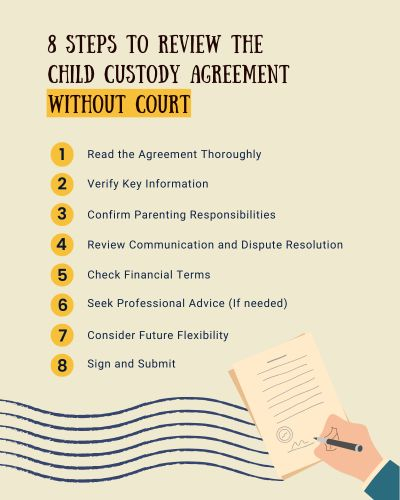
Navigating the complexities of parenting arrangements after separation can be challenging, especially when circumstances change. Many parents face situations where their existing custody arrangements no longer serve their child’s best interests. If you’re wondering whether it’s time to revisit your parenting agreement, understanding the legal and practical aspects is essential. Specialists in child custody matters can provide guidance through this process, but knowing when and how to make changes is the first step.
Key Takeaways
- Changes to custody agreements should be based on significant changes in circumstances that affect the child’s best interests
- Legal pathways include informal agreements, consent orders, or formal court applications
- Evidence documentation and family dispute resolution are typically required before court proceedings
- The child’s safety, wellbeing, and developmental needs always remain the primary consideration
- Timing and approach matter—seek professional advice before making changes
Recognising When to Review a Custody Agreement
Several triggers might signal it’s time to consider modifying your existing arrangements. These situations typically involve substantial changes that affect your child’s wellbeing or the practicality of current arrangements.
Changes in Your Child’s Needs
As children grow, their requirements naturally evolve. A parenting plan that worked for a toddler may not suit a teenager. Consider reviewing arrangements when:
- Your child enters a new developmental stage with different emotional needs
- There are changes in educational requirements or school location
- New health conditions or special needs emerge
- Extra-curricular activities become important to your child’s development
Relocation Considerations
When either parent moves a significant distance, the existing arrangement may become impractical. This is particularly relevant when:
The move affects school attendance or important relationships
Travel time creates undue burden on the child
The relocation impacts the quality of time spent with either parent
Safety and Wellbeing Concerns
Perhaps the most critical trigger for changing arrangements is when a child’s safety is at risk. This includes:
Incidents of family violence or abuse
Ongoing substance misuse affecting parenting capacity
Mental health issues impacting a parent’s ability to provide proper care
Changes in Parental Circumstances
Significant shifts in a parent’s life situation can necessitate revisiting arrangements:
Major changes to work schedules or commitments
Health conditions limiting capacity to care for children
Incarceration or other forced absences
Understanding the Legal Framework
Australian family law governs how custody arrangements can be modified, with the Family Law Act providing the foundation for all decisions.
The Best Interests Principle
Any change to parenting arrangements must prioritise the best interests of the child. Courts consider factors including:
The benefit of maintaining meaningful relationships with both parents
Protection from physical or psychological harm
The child’s views, considering their maturity and understanding
Practical considerations for day-to-day care
Types of Arrangements That Can Be Modified
Different types of arrangements require different approaches to modification:
Informal parenting plans can be changed by mutual agreement
Consent orders require a formal application to the court
Court-issued parenting orders need substantial reasons for variation
“The threshold for changing existing court orders is higher than many parents realise. You typically need to demonstrate a significant change in circumstances that makes the current arrangement no longer in your child’s best interests.”
Practical Steps Towards Changing Arrangements
If you’ve determined that changes are necessary, there’s a process to follow that maximises chances of success while minimising conflict.
Starting With Communication
Where safe to do so, begin by discussing proposed changes with the other parent. Document:
The specific changes you’re proposing
The reasons these changes would benefit your child
Your willingness to be flexible and find mutual solutions
Gathering Supporting Evidence
Build your case with relevant documentation:
School reports or communication from teachers
Medical evidence if health issues are involved
Documentation of changes in work circumstances
Records of any safety incidents or breaches of existing orders
Family Dispute Resolution
Before applying to court, parents typically must attempt mediation through a Family Dispute Resolution practitioner, unless exemptions apply for cases involving:
Family violence or abuse concerns
Urgency due to risk of harm
A parent’s inability to participate meaningfully
Legal Pathways to Changing Agreements
The approach you take depends on your current agreement type and the level of cooperation between parents.
Consent Orders
When both parents agree to changes, consent orders provide a straightforward path:
Draft the proposed new arrangements
Complete an Application for Consent Orders
Submit to the Federal Circuit and Family Court of Australia
Once approved, the new arrangements have legal force
Court Applications
If agreement isn’t possible, you’ll need to apply to vary existing orders:
File an Initiating Application
Attend a first court date where interim arrangements may be made
Participate in court-ordered processes like family reports
Attend a final hearing if settlement isn’t reached earlier
Managing the Transition Period
While legal processes unfold, practical management becomes crucial:
Supporting Your Child
Children need extra support during periods of change:
Maintain consistent routines where possible
Avoid discussing legal matters or conflicts in front of children
Reassure them that both parents love them regardless of arrangements
Consider professional support if they’re struggling with changes
Practical Communication
Effective co-parenting communication during transitions helps reduce conflict:
Use written communication for important matters
Focus on child-related issues rather than past relationship problems
Consider using co-parenting apps that document exchanges
FAQs About Changing Custody Agreements
How long does the process typically take?
Timeframes vary widely. Consent orders might be processed within 4-8 weeks, while contested court proceedings can take 12-18 months or longer.
What weight do children’s preferences carry?
The court considers children’s views based on their age and maturity, but these are just one factor among many. Children’s preferences alone rarely determine outcomes, particularly for younger children.
Can I represent myself?
While possible, self-representation in parenting matters is challenging. The law is complex, and stakes are high. At minimum, seek initial legal advice even if handling parts of the process yourself.
Changing custody agreements requires careful consideration of legal requirements and your child’s needs. When circumstances change significantly, being proactive about modifying arrangements can help maintain stability and wellbeing for your children. If you’re considering changes to your parenting arrangements, Testart Family Lawyers can provide guidance tailored to your specific situation, helping you navigate this complex area with your child’s best interests at heart.