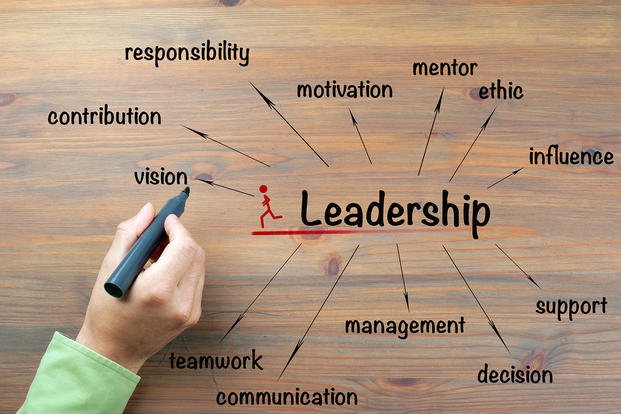
Leadership is a dynamic and evolving skill that can propel individuals toward career success, team cohesion, and organizational growth. But where do you start? The leadership development journey requires intentional steps, self-reflection, and continuous learning. Whether you’re an emerging leader or an experienced professional looking to refine your skills, understanding the right starting points can set you up for success.
Understanding Leadership Development
Leadership development is the process of enhancing the skills, mindset, and behaviors necessary to lead effectively. It involves cultivating self-awareness, improving communication, and fostering decision-making abilities. Great leaders inspire, influence, and guide teams toward a shared vision, making leadership development a crucial investment for personal and professional growth.
Step 1: Self-Assessment and Awareness
Before you can lead others, you must first understand yourself. Self-awareness is the foundation of leadership development. It involves evaluating your strengths, weaknesses, values, and leadership style. Consider using self-assessment tools such as:
- Myers-Briggs Type Indicator (MBTI) – Helps identify personality preferences and leadership tendencies.
- DISC Personality Assessment – Assesses behavioral styles and communication approaches.
- 360-Degree Feedback – Gathers feedback from colleagues, peers, and subordinates to provide a comprehensive view of leadership effectiveness.
Reflect on questions such as:
- What are my leadership strengths?
- What areas do I need to improve?
- How do I handle conflict and decision-making?
- What leadership style best aligns with my personality?
Step 2: Define Your Leadership Goals
Once you understand your strengths and areas for improvement, set clear leadership development goals. Are you looking to:
- Enhance your public speaking skills?
- Improve team collaboration?
- Develop strategic decision-making abilities?
- Lead a high-performance team?
Setting SMART (Specific, Measurable, Achievable, Relevant, and Time-bound) goals will provide a structured path to developing leadership competencies.
Step 3: Seek Knowledge and Education
Leadership development requires continuous learning. Consider multiple avenues to enhance your leadership knowledge:
Books and Podcasts
Reading books written by successful leaders and leadership experts can offer valuable insights. Recommended books include:
- Leaders Eat Last by Simon Sinek
- Dare to Lead by Brené Brown
- The 5 Levels of Leadership by John Maxwell
Podcasts such as The Craig Groeschel Leadership Podcast and HBR IdeaCast provide thought-provoking discussions on modern leadership challenges.
Leadership Courses and Certifications
Online courses and certifications can deepen your leadership knowledge and credentials. Platforms like Coursera, LinkedIn Learning, and Harvard Business School Online offer courses on leadership, communication, and management.
Mentorship and Coaching
A mentor or leadership coach can provide personalized guidance, share experiences, and help you navigate challenges. Find a mentor within your organization or network with industry leaders who can offer valuable insights and advice.
Step 4: Develop Essential Leadership Skills
Leadership encompasses a wide range of skills that are critical for success. Here are a few key skills to focus on:
1. Communication
Effective leaders communicate clearly, listen actively, and provide constructive feedback. To improve:
- Practice active listening.
- Develop public speaking skills.
- Learn how to convey messages with clarity and confidence.
2. Emotional Intelligence
Emotional intelligence (EQ) is the ability to understand and manage emotions in yourself and others. It includes:
- Self-awareness
- Self-regulation
- Empathy
- Social skills
Improving EQ enhances your ability to handle workplace relationships, resolve conflicts, and foster a positive work culture.
3. Decision-Making and Problem-Solving
Strong leaders make informed, strategic decisions under pressure. Enhance this skill by:
- Practicing critical thinking exercises.
- Learning from past decisions.
- Seeking diverse perspectives before making choices.
4. Adaptability and Resilience
Leadership is unpredictable. Adaptability and resilience help leaders navigate uncertainty, setbacks, and organizational changes. Ways to strengthen these skills include:
- Developing a growth mindset.
- Learning from failures rather than fearing them.
- Staying open to new ideas and perspectives.
Step 5: Gain Practical Leadership Experience
While reading about leadership is valuable, hands-on experience is crucial for development. Seek opportunities to apply leadership principles in real-life scenarios.
Take on Leadership Roles
Volunteer for leadership roles within your organization, whether through managing projects, leading meetings, or mentoring colleagues. Even small leadership opportunities build confidence and experience.
Join Professional Organizations
Networking groups and industry organizations offer leadership opportunities through board memberships, committees, and event planning.
Start a Passion Project
Leading a community initiative, starting a business, or organizing an event allows you to apply leadership skills in a setting you’re passionate about.
Step 6: Build a Support Network
Surround yourself with like-minded individuals who support your leadership journey. Join networking groups, attend leadership conferences, and connect with professionals in your industry. A strong support system provides encouragement, insights, and opportunities for growth.
Step 7: Regularly Reflect and Adjust
Leadership development is a continuous journey, not a destination. Regularly reflect on your progress and adjust your approach as needed.
- Keep a leadership journal to track your growth.
- Seek feedback from mentors and colleagues.
- Adjust goals based on new challenges and aspirations.
Taking the First Step
Leadership development is a lifelong process that requires dedication, learning, and real-world application. By starting with self-assessment, setting clear goals, investing in knowledge, practicing essential skills, and gaining hands-on experience, you’ll be well on your way to becoming a strong and effective leader.
Embrace the journey, stay curious, and continue evolving as a leader. No matter where you are in your career, the right time to begin your leadership development journey is now.