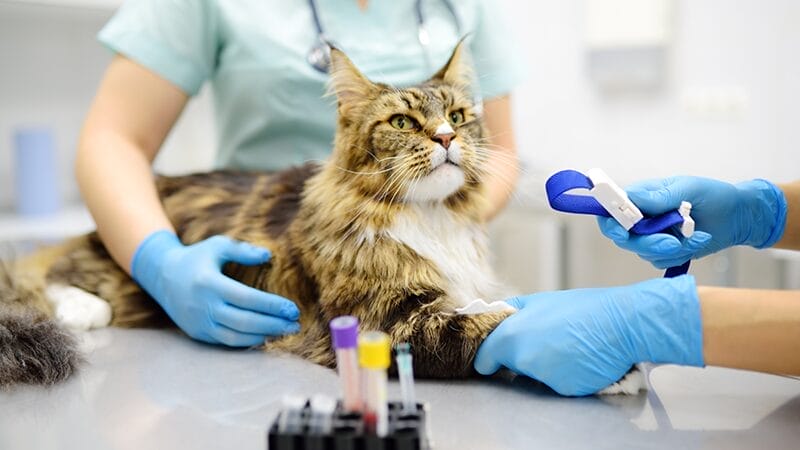
Chronic disease in pets can feel like a constant weight. You watch every breath, every step, and every small change. You want clear answers and steady support. That is where an animal hospital becomes your anchor. A Queen West animal hospital does more than treat flare ups. It helps you build a daily plan that keeps your pet stable and safe. You learn what to watch, when to act, and how to prevent crisis. You also gain a team that knows your pet’s history and patterns. This team tracks lab results, adjusts medicine, and checks pain. They guide diet, exercise, and home care. They explain hard news in plain words. Chronic disease does not always mean constant emergency. With the right hospital partner, you can protect comfort, extend good years, and feel less alone in every hard choice.
What “chronic disease” means for your pet
A chronic disease is a problem that does not go away. It stays for months or years. It needs steady care. It often gets worse without treatment.
Common long term problems include:
- Diabetes
- Kidney disease
- Heart disease
- Arthritis
- Thyroid disease
- Allergy skin disease
These problems change daily life. They affect how your pet eats, moves, drinks, and sleeps. They also affect your plans, your budget, and your peace of mind.
Why animal hospitals matter for long term care
Chronic disease needs a system. It needs a plan, not guesswork. An animal hospital gives you three core supports.
- Early and clear diagnosis
- Ongoing treatment and checks
- Guidance for daily care at home
The hospital team sees patterns that you may miss. They use lab tests, heart checks, and imaging to spot changes early. The American Veterinary Medical Association explains that close checks for diseases like diabetes lower the risk of crises and hospital stays.
Key parts of chronic care at an animal hospital
Ongoing care usually includes three linked steps.
1. Regular checkups
Routine visits keep small problems from turning into emergencies. During these visits, the team:
- Checks weight and body score
- Listens to heart and lungs
- Checks joints, skin, eyes, and mouth
- Reviews medicine and side effects
- Asks about thirst, appetite, and energy
2. Lab work and monitoring
Chronic disease often hides inside the body. Blood and urine tests show how organs are coping. X-rays and ultrasound show the heart, lungs, and belly. These tests guide safe changes in treatment.
3. Treatment plans that change with time
Good chronic care is not frozen. It shifts as your pet ages or as the disease moves. The hospital team may:
- Change medicine dose
- Add or remove drugs
- Update food type and amount
- Suggest joint support or weight loss
- Plan pain control for hard days
Comparing home care alone and hospital-guided care
Home care matters. Yet home care without guidance can leave gaps. The table shows common differences.
| Aspect | Home care without hospital support | Hospital guided chronic care |
|---|---|---|
| Diagnosis | Based on guess and internet searches | Based on exam, lab tests, and imaging |
| Medicine use | Irregular use or sharing human drugs | Set dose, checked for safety and effect |
| Monitoring | Only when signs are obvious | Planned visits and lab checks |
| Emergency risk | Higher risk of sudden crisis | Lower risk due to early changes |
| Pet comfort | Pain or nausea may go unseen | Regular pain checks and relief plans |
| Caregiver stress | High fear and guilt | Shared plan and clear next steps |
Your role as part of the hospital team
You are with your pet every day. The team at the hospital sees your pet for short visits. You each hold different pieces of the story. Together you can build strong care.
You help by:
- Keeping a simple log of thirst, appetite, and energy
- Noting cough, limps, or changes in bathroom habits
- Bringing all medicine and supplements to visits
- Asking direct questions about what to do at home
The team helps you by:
- Writing clear steps for daily care
- Showing how to give shots or pills
- Explaining warning signs that need urgent care
- Talking through cost, options, and your limits
Planning for the long haul
Chronic disease is a long road. It affects your time, money, and sleep. It also touches children in the home. Honest planning lowers fear and helps you feel prepared.
Ask your animal hospital to help you plan for:
- How often your pet needs visits and tests
- What each stage of disease may look like
- How to handle pain and bad days
- What a kind end-of-life plan would look like
The Centers for Disease Control and Prevention notes that strong bonds with animals support human health. Protecting your pet’s comfort also protects your own heart and body.
When to seek help right away
Even with good chronic care, emergencies can still happen. Call your animal hospital at once if your pet has:
- Sudden trouble breathing
- Collapse or seizure
- Refusal to eat or drink for a full day
- Repeated vomiting or diarrhea
- Severe pain, crying, or restlessness
Quick action can save lives and reduce suffering. Your hospital team wants you to call rather than wait and worry.
Moving forward with steady support
Chronic disease can feel heavy. Still, you do not have to carry it alone. An animal hospital gives you structure, tools, and a trusted team. Together, you can keep your pet as safe and calm as possible. You can trade fear for a clear plan and small daily wins. You can honor the bond you share by choosing steady care over quiet worry.