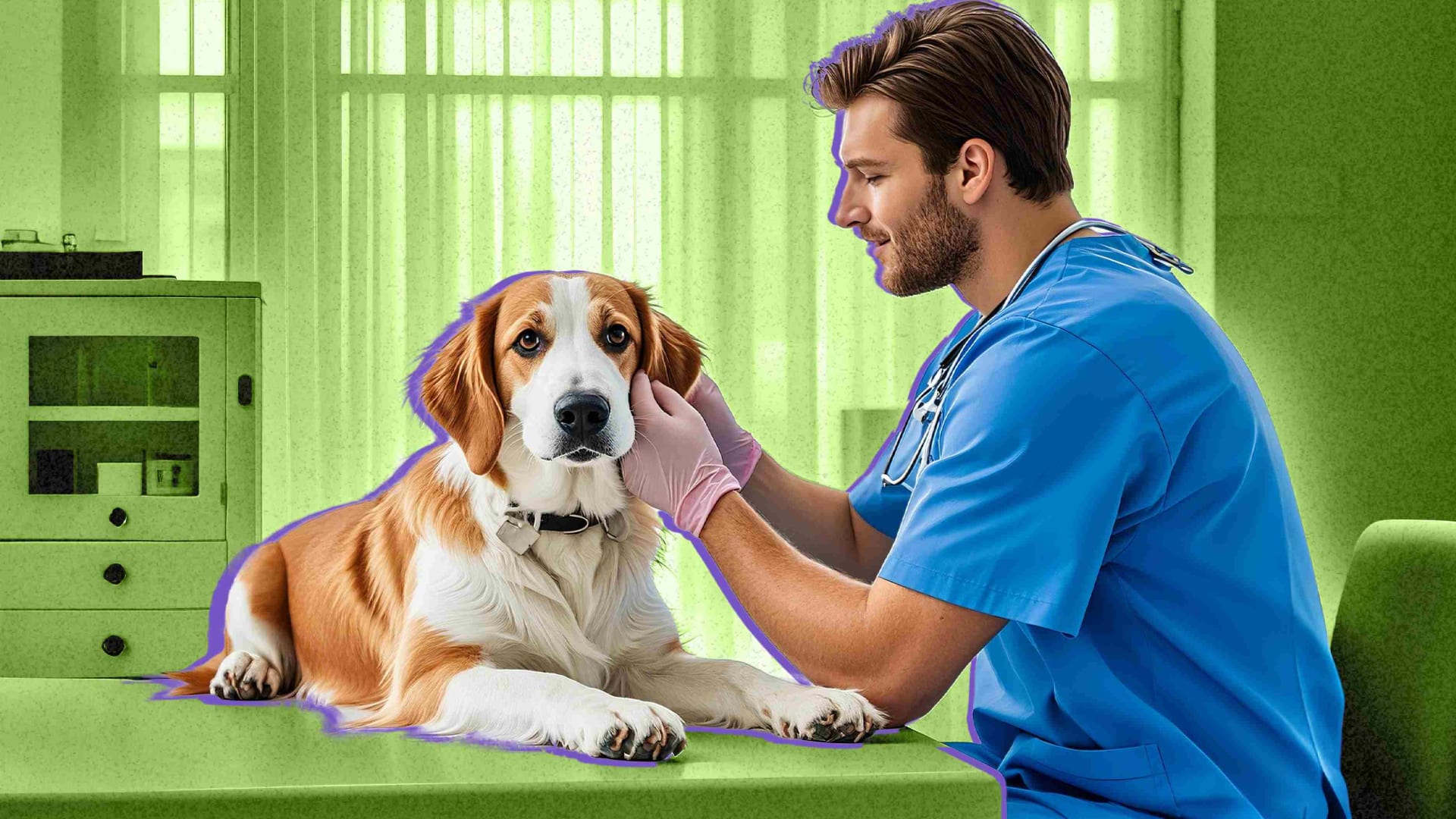
Telemedicine in animal care is growing fast. You see it in your own town. You can now reach an exotic pet vet in Dothan from your couch. You may worry about a sudden limp, a strange rash, or a pet that stops eating. You might not have time to drive across town. You might not have a clinic close by that understands your type of pet. Telemedicine gives you quick answers. It gives you a clear plan. It also cuts stress for your pet. Many clinics now use video visits, photos, and secure messages. They use these tools to watch ongoing problems, refill medicine, and check healing after surgery. Some clinics use telemedicine to connect with specialists who know rare species. This change is not a trend. It is a response to your real needs. It helps you act early before small problems turn severe.
What Telemedicine For Pets Really Means
Telemedicine lets you and your veterinarian talk by phone, video, or secure chat. You share photos or short clips. You review test results. You plan the next steps together. You do this while you stay at home.
Many state boards and the American Veterinary Medical Association telehealth resource explain that telemedicine works best when your pet already has a patient record with that clinic. That record gives your veterinarian history and context. It lets your care stay safe and clear.
Telemedicine does not replace all visits. Instead, it gives one more way to reach help. It fills the gap between yearly exams, urgent care, and home care.
Why Clinics Are Turning To Telemedicine
Clinics do not expand telemedicine to follow a fad. They expand it because common problems keep showing up. You may face three barriers.
- Distance from a clinic
- Limited time or transport
- Stress for pets in the car or waiting room
Telemedicine removes or softens each barrier. It lets your veterinarian watch your pet in the home setting. That view can reveal patterns that a short office exam misses. For example, a video of a limp on your kitchen floor may show more than a walk on a clinic tile floor.
Clinics also face pressure. Staff shortages, packed schedules, and rising costs strain many teams. Telemedicine lets them sort cases by urgency. That triage helps them keep same-day spots open for true emergencies. It also gives staff more flexible ways to follow up, which supports safer care.
Common Ways Clinics Use Telemedicine
You can expect telemedicine to help in three main ways.
- New concerns that are not emergencies. Skin problems, mild stomach upset, small wounds, red eyes, coughing, or behavior changes.
- Ongoing conditions. Allergies, arthritis, diabetes, thyroid disease, and weight management.
- Post visit checks. Surgery checks, bandage checks, and response to new medicine.
Some states let veterinarians begin a new patient relationship by telemedicine. Other states require at least one in-person exam first. Your state veterinary board and your clinic can explain your rules. The US Food and Drug Administration telemedicine page also outlines how prescriptions must follow these rules.
What Works Well By Telemedicine And What Does Not
Telemedicine is strong for some visit types. It is weak for others. This table compares common uses.
| Visit Type | Good Fit For Telemedicine | Needs In Person Visit |
|---|---|---|
| Skin issues | Rashes, hair loss, mild itching with clear photos | Deep wounds, heavy bleeding, infected bites |
| Stomach issues | Soft stool, mild vomiting, eating and drinking still normal | Repeated vomiting, blood in stool, weak or collapsed pets |
| Pain or limping | Mild limp, walking and using the leg, no major swelling | Cannot stand, severe pain, obvious fracture or large swelling |
| Behavior changes | Anxiety, house soiling, new aggression without injury | Sudden personality shift with confusion or seizures |
| Follow up care | Surgery incision checks, weight checks, refill reviews | Stitches removal, new lumps, breathing trouble |
| Preventive care | Diet advice, parasite control, early dental planning | Vaccines, blood tests, x rays, dental cleaning |
If you ever feel unsure, treat that feeling as a warning sign. Use telemedicine to ask if you must come in right away. A quick video call that ends with “please come now” still protects your pet. It also prepares the clinic for your arrival.
How Telemedicine Helps Different Types of Pets
Dogs and cats often travel more easily. Even then, some shake or pant the whole ride. Telemedicine lowers that load. It lets your veterinarian see a more natural mood at home.
Exotic pets often need this support even more. Small mammals, birds, and reptiles do not travel well. Car rides and loud rooms can push them into shock. A remote visit cuts that risk. It also lets you show the habitat itself. Your veterinarian can see the cage, heat source, perches, and food. That view can reveal causes of illness that an exam table cannot show.
Farm and backyard animals also benefit. Video lets a veterinarian view herd behavior, housing, and water sources. That broad view supports faster decisions during disease outbreaks.
What You Need For A Strong Telemedicine Visit
Three steps will help you get the most from each remote visit.
- Prepare details. Write down when the problem started, how it changed, what your pet eats, and any medicine or supplements.
- Gather clear images. Take photos in natural light. Take short clips that show walking, breathing, or other concerns.
- Plan your questions. List your top three worries. Ask what the signs mean, you must come in at once.
Keep your phone or computer charged. Test your camera and microphone. Choose a quiet room with your pet close by. That calm space will help your veterinarian watch movement and breathing without distraction.
Why Telemedicine Will Keep Growing
Telemedicine will not replace your local clinic. It will support it. Clinics that use both in-person and remote care can respond faster. They can watch chronic disease more closely. They can reach more pets in rural communities. They can support tired owners who juggle work, children, and elder care.
You do not need to wait for perfect technology. You only need a clear picture, a stable connection, and a trusted clinic. With those pieces, you and your veterinarian can share the same goal. You protect your pet early. You act on warning signs. You keep small problems from turning into crises.