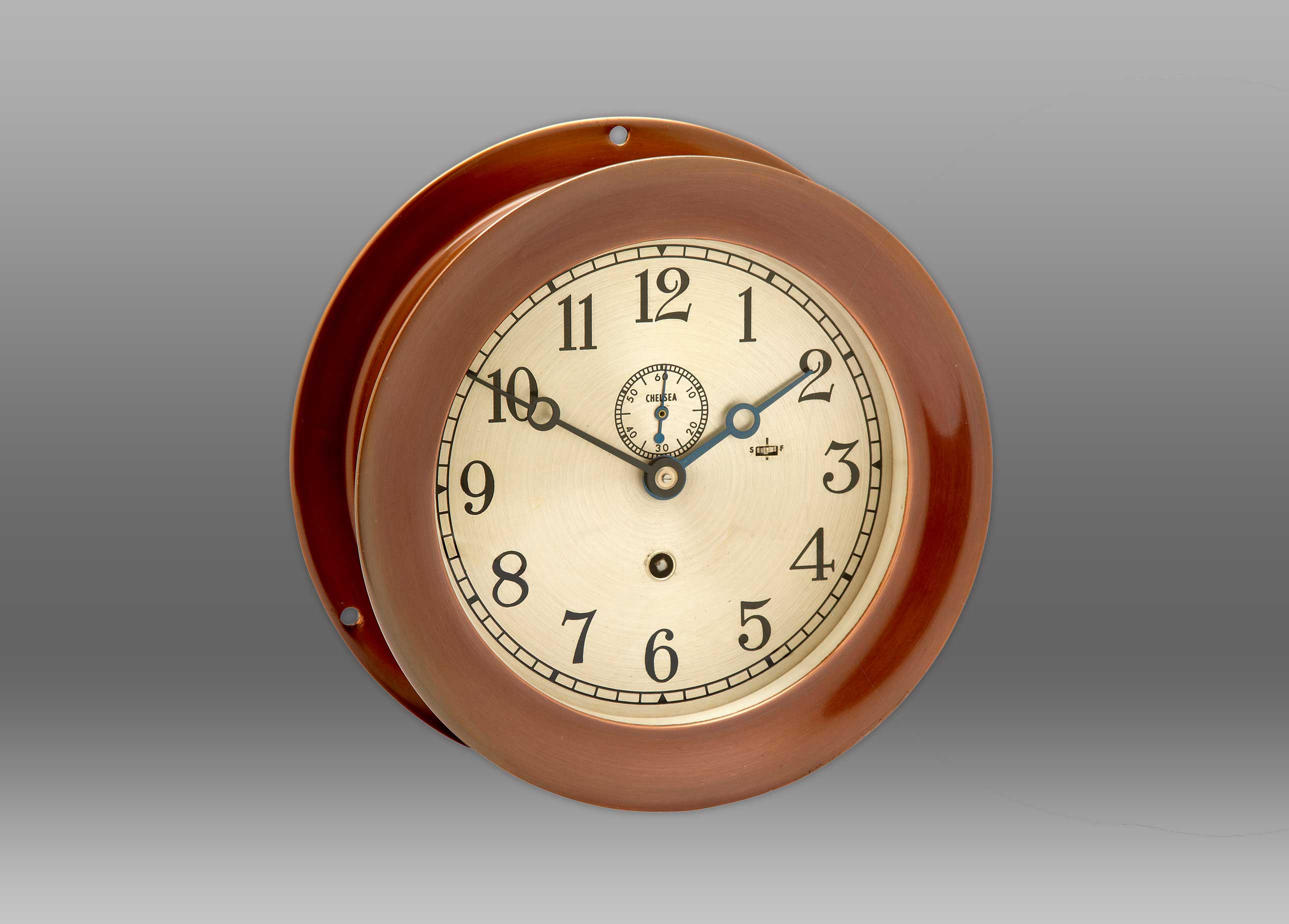
Owning a vintage clock is like owning a piece of history. These beautiful timepieces often hold sentimental value, and their craftsmanship can be impressive. However, new vintage clock owners sometimes make mistakes that compromise the integrity, accuracy, and longevity of their clocks. Whether you have inherited a family heirloom or purchased a vintage clock for aesthetic appeal, understanding how to properly care for and maintain it is essential. Below are common errors new vintage clock owners make and how to avoid them.
1. Failing to Schedule Regular Maintenance
One of the most common mistakes new owners make is assuming vintage clocks are “set it and forget it” pieces. Unlike modern quartz clocks, vintage mechanical clocks require routine maintenance to ensure they keep accurate time and continue running smoothly. Dust, oil buildup, and worn components can lead to poor performance or total failure.
Solution: Schedule professional maintenance for your vintage clock every 3-5 years. A qualified technician specializing in vintage clock repair will clean, lubricate, and inspect all moving parts to keep the mechanism in optimal condition.
2. Over-Winding the Clock
Many new owners mistakenly believe that winding their vintage clock to its maximum point will keep it running longer. This can place excessive tension on the mainspring and lead to breakage or internal damage.
Solution: Wind your vintage clock gently and stop when you feel resistance. For spring-driven clocks, winding halfway is often sufficient to ensure steady performance.
3. Using Incorrect Oil or Lubricants
Some vintage clock owners attempt DIY maintenance and apply general-purpose oils or greases to the clock’s internal mechanisms. These products are often too thick or prone to hardening, which can gum up gears and impair movement.
Solution: Only use clock-specific oils designed for precision mechanical systems. When in doubt, consult a vintage clock repair expert to recommend the appropriate product.
4. Mishandling the Pendulum
Pendulums are delicate and vital for maintaining accurate time. Many owners accidentally knock or move the pendulum out of alignment, resulting in inconsistent ticking or complete stoppage.
Solution: Always ensure the clock is placed on a stable, level surface. If you must move the clock, remove the pendulum first to avoid accidental damage.
5. Incorrect Placement in the Home
Temperature fluctuations, humidity, and vibration can impact the accuracy and longevity of your vintage clock. Many owners unknowingly place their clocks near radiators, fireplaces, or in drafty areas where environmental changes are common.
Solution: Place your clock in a stable environment with consistent temperature and minimal vibration. Avoid direct sunlight, which can fade the clock face and damage wooden casings.
6. Ignoring Chime Maintenance
Clocks with chiming mechanisms are particularly prone to errors if neglected. Owners may notice chimes ringing inconsistently, skipping notes, or not chiming at all.
Solution: Keep the chime mechanism clean and lubricated. If issues persist, a vintage clock repair professional can recalibrate the chime hammers and ensure proper alignment.
7. Attempting DIY Repairs Without Experience
Vintage clock mechanisms are complex, and inexperienced repairs can often cause more harm than good. Disassembling components without proper knowledge can damage delicate parts or cause gears to fall out of alignment.
Solution: Unless you have experience with vintage clock repair, leave significant repairs to the professionals. Trained specialists understand the delicate nature of these timepieces and can restore them without compromising authenticity.
8. Forgetting to Adjust for Time Changes
During daylight saving time, owners often move their vintage clock’s hands incorrectly, damaging the internal gears.
Solution: To adjust the time on a vintage clock, only move the minute hand in a forward motion. Never move the hour hand directly. If you must turn the minute hand back, do so very slowly to avoid damaging the gears.
9. Failing to Replace Worn Suspension Springs
The suspension spring is a crucial component that controls the pendulum’s movement. Over time, this part can weaken or break, especially if the clock has been moved frequently.
Solution: If your pendulum fails to move consistently or the clock loses accuracy, consult a vintage clock repair expert to inspect and replace the suspension spring if needed.
10. Using Harsh Cleaning Products
Vintage clock faces, wooden cases, and brass fittings require gentle cleaning methods. Using abrasive cleaners can strip finishes, cause discoloration, or damage delicate surfaces.
Solution: Clean your vintage clock with a soft cloth and mild soap solution. Avoid excess moisture and never use harsh chemicals on delicate clock parts.
11. Ignoring the Impact of Moving the Clock
Transporting a vintage clock without proper precautions can lead to internal misalignment, pendulum detachment, or even shattered glass faces.
Solution: Before moving your clock, secure any loose parts and carefully remove the pendulum. Transport the clock upright and avoid laying it flat whenever possible.
12. Overlooking the Importance of Historical Value
Some new vintage clock owners attempt to modernize or repaint their clocks without understanding their historical value. Alterations can significantly reduce the clock’s authenticity and worth.
Solution: Research your vintage clock’s background before making any cosmetic changes. Consult a vintage clock expert to determine if restoration is necessary and what steps will preserve its historical integrity.
Final Thoughts
Owning a vintage clock is a rewarding experience, but proper care and maintenance are crucial for preserving its beauty and functionality. By avoiding these common errors and seeking professional vintage clock repair services when needed, you can ensure your treasured timepiece continues ticking for years to come. If you suspect your clock needs attention, don’t hesitate to contact a vintage clock repair expert to diagnose and resolve the issue promptly.