
AI technology reshapes the sales landscape and changes how businesses negotiate deals. While its implementation varies, the impact remains undeniable. Highspot’s State of Sales Enablement Report 2025 reveals that 78% of B2B organizations have adopted AI sales tools. However, less than half of these companies use these technologies to enhance their performance. Sales teams show some of the lowest AI usage rates at 51%, which leaves much untapped potential in the field.
Companies that welcome AI-powered CRM systems see remarkable results. Their contract cycle times drop from 14 days to 5 days or less. Some organizations report 60% faster contract cycles and better compliance accuracy. The power of AI brings impressive gains in creating customized experiences. One company used dealcode’s AI platform to send over 50,000 personalized one-to-one emails after implementation – a task that would have required 20 new employees otherwise. These autonomous negotiators continue to evolve and will reshape how businesses structure, negotiate, and close deals.
CRM Platforms Deploy AI Negotiators to Automate Deal-Making
CRM platforms now integrate sophisticated AI negotiators that handle complex deal-making processes with minimal human intervention. These autonomous systems represent the next step in AI for sales technology. Businesses can now automate sales functions that were once exclusively human-driven.
What are autonomous AI negotiators?
Autonomous AI negotiators are advanced systems that work independently and make up-to-the-minute decisions without constant human oversight. These agents are different from traditional AI tools. They use machine learning, natural language processing, and reinforcement learning to adapt and get better over time. They work like digital members of your sales team and can manage complete workflows from beginning to end. These AI agents analyze customer queries, respond based on context, and learn from each interaction to improve their approach.
How do they differ from traditional CRM automation?
Traditional automation just follows preset rules and needs humans to plan every scenario. Autonomous AI negotiators are quite different:
- They work to achieve goals instead of just completing tasks
- They decide without needing approval for each step
- They watch and respond to sales conditions as they change
- They keep learning from experience and feedback
- They adjust their strategies based on results without oversight
The main difference is whether the technology just helps the team or actively generates revenue on its own. Traditional CRM automation handles routine tasks well but doesn’t deal very well with unexpected situations. AI agents, however, can direct themselves through new scenarios by using patterns they’ve learned and working toward clear goals.
Why CRM vendors are investing in AI for sales and marketing
CRM vendors are quickly developing AI sales tools because they bring significant business value. Companies using AI see a 25% cost reduction and their sales efficiency improves by 30% after implementation. Companies that use AI-powered solutions can reduce their average contract cycle from 14 days to just 5 days or less.
Major CRM platforms now include conversational ai for sales features because businesses can automate time-consuming marketing, sales, and customer service tasks. These platforms also provide informed insights from business data. The systems help companies create tailored customer experiences at scale—solving one of the biggest challenges in today’s sales environment.
AI Negotiators Improve Sales Efficiency and Customer Experience
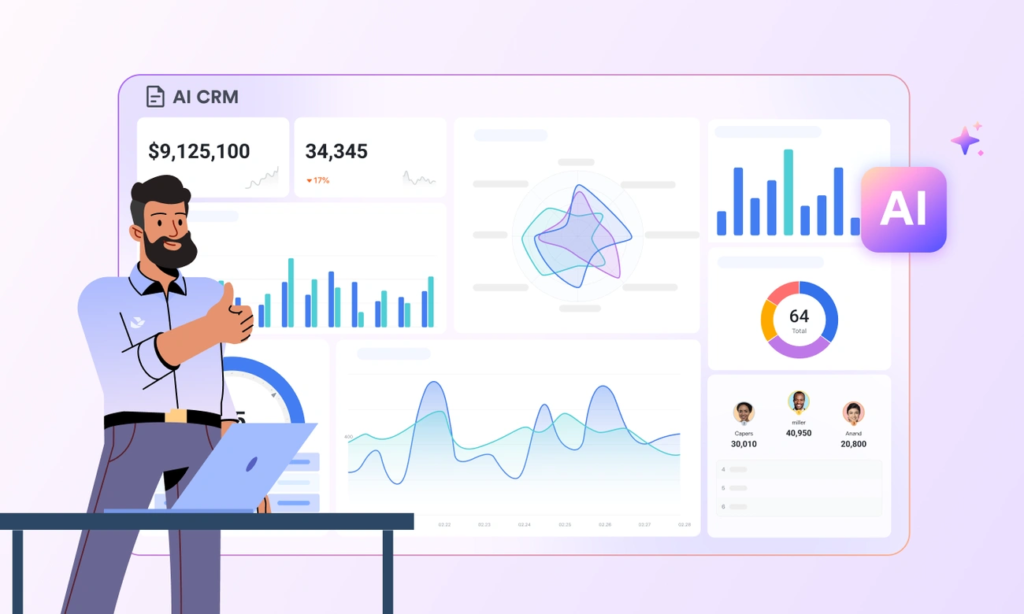
AI-powered negotiation systems are making sales teams more productive and buyers happier at every step of the way. These ai sales tools help companies measure and improve their performance.
Reducing negotiation cycle time with AI
AI brings a huge advantage by speeding up the sales process. AI negotiators cut down sales cycles because they qualify and respond to leads faster. While human SDRs need 8.3 days to technically qualify leads, ai crm systems do it in just 2.1 days. Companies that use AI-powered solutions see their contract cycles drop from 14 days to 5 days or less.
The benefits show up clearly in how sales teams spend their time. Right now, sellers only spend 25% of their time actually selling to customers – AI could help double this number. Teams become more efficient because AI handles the repetitive work like applying standard terms, following digital playbooks, and automated redlining.
Enhancing personalization through conversational AI for sales
Conversational ai for sales looks at huge amounts of customer data to create custom interactions. These systems understand context, figure out what users want, and respond almost like humans would, thanks to natural language processing and machine learning. This evidence-based personalization works on websites, mobile apps, and social media.
AI tools can change website content right away based on what customers are searching for. This means businesses can help customers 24/7 and answer their questions even outside business hours.
Minimizing human error in deal structuring
Generative ai for sales cuts down mistakes in important sales documents by a lot. These systems provide the same level of service and information to all customers, which removes the inconsistencies you’d normally see with human-only processes. AI makes fewer mistakes in data management too – it writes down calls, creates summaries, picks out action items, and puts all the important data straight into CRMs.
On top of that, AI works like a configuration expert. It uses set rules and information about prospects to suggest the best product packages and pricing tiers, which helps structure deals correctly from the start.
Top CRM Platforms Launching AI Negotiation Features
Major CRM providers give sales teams ai crm tools that negotiate by themselves. Each platform has developed its own set of features to make deals better.
monday CRM: AI Sales Agents and no-code automation
monday CRM has AI sales agents that handle the first calls and reach out to customers through phone and SMS. These agents qualify leads before any human contact. The system creates custom emails and call summaries to help teams respond faster and turn more leads into sales.
Salesforce Einstein: Predictive deal intelligence
Salesforce Einstein puts its focus on predictive analytics. The system finds deals most likely to succeed by studying past successes and failures. It looks at old data, deal trends, and activities to forecast results and spots risks and changes live.
HubSpot Breeze: AI-powered prospecting and follow-ups
HubSpot’s Breeze agent keeps track of potential customers and looks for signs they want to buy. The system writes custom messages the moment timing looks good. It watches responses and engagement data and writes follow-up emails to keep prospects interested.
Zoho CRM: Zia’s negotiation and sentiment analysis
Zoho’s Zia assistant reads email tone and groups messages as positive, negative, or neutral to help teams respond better. Zia suggests products by studying customer interactions and patterns to spot what leads might want to buy.
Freshsales: Freddy AI for deal recommendations
Freshsales’ Freddy AI watches deal activity and predicts results. The system adds tags based on how well deals perform. Freddy gives specific insights about deals, warns about risks, and suggests next steps to close sales faster.
Creatio: No-code AI workflows for deal management
Creatio mixes AI agents with no-code development. Teams can create AI-powered workflows to qualify leads and prepare meetings without coding skills. The platform builds AI right into automated workflows to deliver value faster.
Pipedrive: AI agents for pipeline optimization
Pipedrive’s Sales Assistant studies successful patterns, reasons deals fail, and seasonal performance changes. The system predicts how likely deals will close, suggests next steps, and helps sales teams focus on promising opportunities.
ClickUp: AI CRM with task and deal automation
ClickUp has AI agents that handle deals and project tasks together. The system assigns tasks for each pipeline stage automatically. ClickUp’s Super Agents write emails, study data, and update knowledge bases about people, teams, and projects based on context.
How Businesses Can Integrate AI Negotiators into Sales Workflows
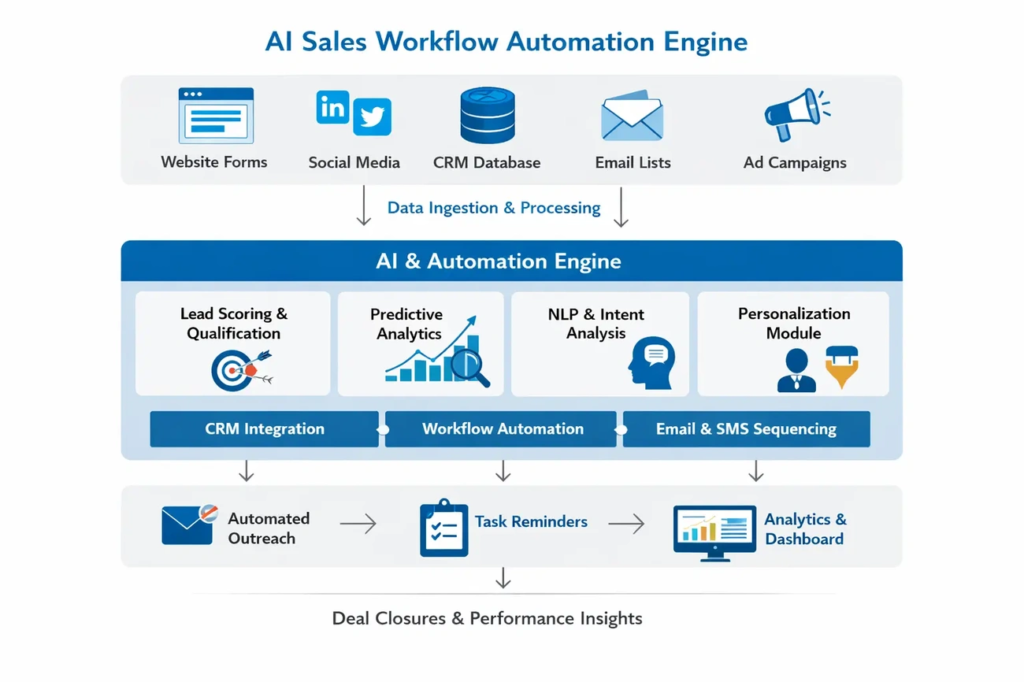
Getting ai for sales negotiators up and running needs smart planning and smooth integration. Companies see remarkable results when they take systematic steps and keep making improvements.
Identifying high-impact use cases for AI negotiators
Your ai sales tools work best in simple negotiations where set processes can deliver good results without creative thinking. Teams in procurement and sales that use generative AI have seen up to 10% improvements in productivity, effectiveness, customer experience, cost reduction, and workforce optimization. Autonomous agents shine at routine tasks like lead qualification, outreach, and drafting initial proposals.
Training sales teams to collaborate with AI agents
Sales teams should know AI helps them rather than replaces them. Good training shows how AI adoption lets teams spend more time building valuable relationships. Teams need regular workshops and learning sessions as AI tools change fast. The training highlights how AI handles repetitive work so representatives can focus on strategic customer interactions.
Ensuring CRM data quality for effective AI performance
Quality CRM data powers effective ai for sales and marketing. Expert analysis shows AI systems mirror their training data—bad or biased data creates wrong analysis and expensive mistakes. Data needs regular cleaning because CRM information goes stale quickly, with 30% becoming outdated every four years.
Monitoring AI negotiation outcomes and refining strategies
Clear KPIs help measure how well AI performs. Teams should watch which AI suggestions get accepted or changed and use this information to make the system better. Regular checks of ground performance help tune conversational ai for sales agents.
Conclusion
AI negotiators in CRM platforms are transforming how businesses make deals. These autonomous systems have cut contract cycle times from 14 days to just 5 days[link_1] and made the process more accurate and compliant. Companies that use these technologies now complete contract cycles 60% faster, which gives them a clear edge in fast-moving markets.
The change from traditional CRM automation to autonomous AI negotiators shows a complete transformation, not just a small improvement. These systems now decide on their own, adapt as conditions change, and keep learning without needing constant human input. Sales professionals can now build relationships better since they don’t have to handle repetitive tasks that used to take up 75% of their time.
Leading CRM vendors see this opportunity and have developed advanced AI features that handle everything from finding prospects to structuring complex deals. Each platform brings something unique to the table. Monday’s AI sales agents, Salesforce Einstein’s immediate analytics, and Zoho’s sentiment analysis all optimize the sales process in different ways.
Businesses need careful planning to make these systems work well. They should pick the right use cases, train their teams properly, maintain good data quality, and watch the results closely. Companies that combine these systems smoothly with their operations gain major advantages as AI technology becomes more sophisticated.
AI negotiators are ushering in a new era of sales management. While some industries adopt faster than others, the benefits are clear – faster deals, better personalization, fewer mistakes, and improved efficiency. This technology will likely become standard practice soon. Sales teams that welcome these tools while retaining control over complex negotiations will see the best results by combining AI’s efficiency with human relationship skills.