The Silent Revolution in Healthcare Technology
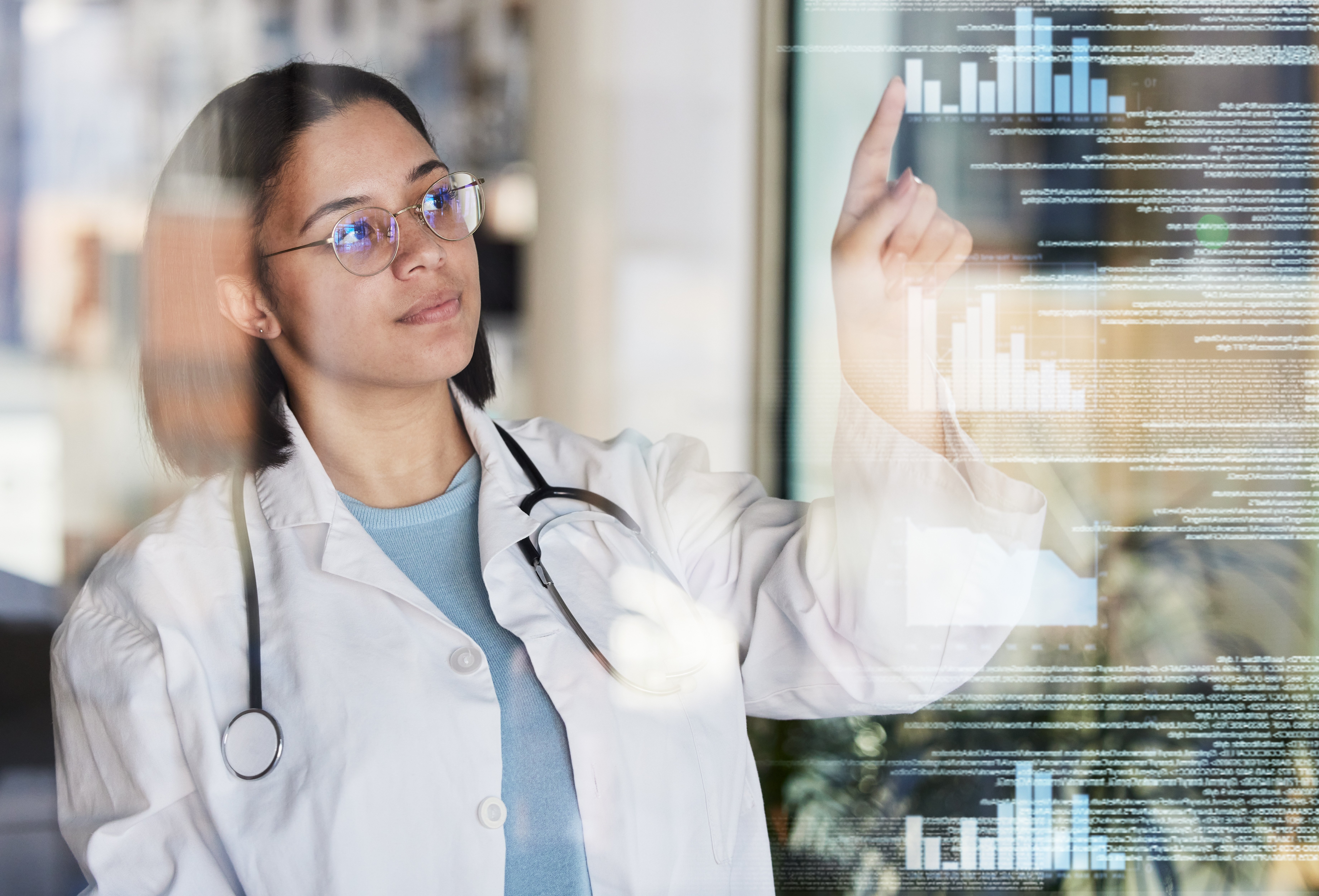
Hospital corridors today tell a different story than they did two decades ago. Nurses no longer carry clipboards thick with paper charts or hunt down physicians to clarify illegible handwriting. Instead, they move through their shifts with mobile workstations, tablets, and smartphones that connect them instantly to patient information, clinical guidelines, and their entire healthcare team. This technological transformation hasn’t just changed how nurses work—it’s fundamentally altered what nursing practice can accomplish.
The shift began with basic computerization but has evolved into sophisticated systems that support clinical decision-making, predict patient deterioration, and coordinate care across multiple providers and settings. Today’s technology doesn’t merely digitize old processes; it creates entirely new possibilities for patient care, professional development, and healthcare delivery optimization.
What makes this transformation particularly significant is how it’s been shaped by nurses themselves. Unlike technology imposed by administrators or IT departments, many of the most successful healthcare innovations have emerged from nurses identifying problems and developing solutions. This ground-up approach has created systems that actually improve workflow rather than simply adding digital layers to existing processes.
Electronic Health Records: More Than Digital Filing Cabinets
Electronic health records represent the most visible aspect of healthcare’s digital transformation, but their impact extends far beyond converting paper to pixels. Modern EHR systems serve as command centers for patient care, integrating laboratory results, imaging studies, medication orders, and nursing assessments into comprehensive patient portraits that update in real-time.
The clinical decision support features embedded in EHRs have revolutionized medication safety and care standardization. When a nurse enters a medication order, the system instantly checks for drug interactions, allergies, dosing errors, and contraindications based on the patient’s current condition. These safety nets catch errors that might slip past even experienced clinicians during busy shifts or complex cases.
Documentation has evolved from simple record-keeping to dynamic care planning tools. Nursing assessments automatically populate care plans with evidence-based interventions, track progress toward patient goals, and alert team members when conditions change. The days of hunting through charts to find the latest lab results or wondering whether a medication was administered are largely behind us.
Interoperability between different EHR systems has improved dramatically, allowing patient information to follow individuals across healthcare settings. A patient’s emergency room visit automatically becomes available to their primary care physician, while specialists can review complete medication histories before making treatment recommendations. This seamless information flow reduces duplicative testing, prevents dangerous drug interactions, and ensures continuity of care.
The learning curve for EHR adoption was steep, particularly for experienced nurses accustomed to paper-based systems. However, younger nurses who grew up with digital technology have driven innovations in EHR utilization, finding creative ways to leverage system capabilities that older users might overlook. This generational knowledge transfer has accelerated system optimization across healthcare organizations.
Mobile Health Applications: Care Beyond Hospital Walls
Smartphones have become powerful medical devices, transforming how nurses monitor patients, access information, and coordinate care. Mobile health applications enable remote patient monitoring, medication adherence tracking, and direct communication between patients and providers. These tools extend nursing care into patients’ homes and communities, supporting chronic disease management and preventive care initiatives.
Patient engagement applications allow individuals to track symptoms, record vital signs, and communicate concerns to their healthcare teams between appointments. Nurses can monitor this data remotely, identifying trends that might indicate deteriorating conditions or medication non-adherence. This continuous connection enables early interventions that prevent hospitalizations and emergency room visits.
Clinical reference applications have replaced pocket-sized drug guides and medical handbooks, providing instant access to evidence-based protocols, medication information, and clinical calculators. Nurses can verify dosing guidelines, check drug interactions, and reference treatment algorithms without leaving the bedside. These tools support clinical decision-making and reduce reliance on memory for complex information.
Communication applications designed specifically for healthcare settings enable secure messaging between team members, photo sharing for wound documentation, and real-time consultation with specialists. These platforms maintain HIPAA compliance while facilitating rapid information exchange that can be critical during emergencies or complex cases.
The integration of artificial intelligence into mobile applications is creating new possibilities for predictive analytics and personalized care. Apps can analyze patient data patterns to predict exacerbations of chronic conditions, suggest medication timing adjustments, or recommend lifestyle modifications based on individual response patterns.
Wearable Technology and Remote Monitoring Revolution
Wearable devices have evolved from simple step counters to sophisticated health monitoring systems that provide continuous streams of physiological data. Nurses now work with devices that monitor heart rhythm, blood oxygen levels, sleep patterns, and activity levels, creating comprehensive pictures of patient health status outside clinical settings.
Remote monitoring capabilities have been particularly transformative for chronic disease management. Heart failure patients can use devices that track weight changes, activity levels, and symptoms, transmitting data to nursing teams who can adjust medications or schedule interventions before symptoms worsen. This proactive approach has reduced hospitalizations and improved quality of life for many patients with chronic conditions.
The COVID-19 pandemic accelerated adoption of remote monitoring technologies as healthcare systems sought ways to maintain patient contact while minimizing exposure risks. Nurses developed protocols for virtual assessments, remote symptom monitoring, and telehealth consultations that proved so effective they’ve been maintained post-pandemic.
Data management has become a critical nursing competency as wearable devices generate enormous amounts of information. Nurses must learn to interpret trends, identify significant changes, and filter relevant data from background noise. This analytical skill set represents a significant evolution in nursing practice, requiring ongoing education and training.
Artificial Intelligence and Predictive Analytics in Clinical Practice
Artificial intelligence applications in nursing practice focus primarily on pattern recognition and predictive modeling rather than replacing clinical judgment. These systems analyze vast amounts of patient data to identify subtle changes that might indicate developing complications, medication effectiveness, or discharge readiness.
Sepsis detection algorithms continuously monitor patient vital signs, laboratory values, and clinical indicators to identify early warning signs of this potentially fatal condition. Nurses receive alerts when patterns suggest sepsis development, enabling rapid interventions that can save lives. These systems don’t diagnose sepsis—they highlight patients who need closer evaluation and possible treatment adjustments.
Fall prevention systems analyze patient mobility patterns, medication effects, cognitive status, and environmental factors to predict fall risk more accurately than traditional assessment tools. Nurses can implement targeted interventions based on these predictions, potentially preventing injuries and improving patient outcomes.
Staffing optimization algorithms help nurse managers predict patient acuity levels and census fluctuations, enabling better staff scheduling and resource allocation. These systems consider historical patterns, seasonal variations, community health trends, and even local events that might affect hospital demand.
Leadership in Healthcare Technology Innovation
Nurses with advanced degrees are increasingly leading technology adoption and innovation initiatives within healthcare organizations. Their combination of clinical expertise and advanced education positions them uniquely to identify technology needs, evaluate solutions, and guide implementation processes.
Chief nursing informatics officers represent a growing specialty that bridges clinical practice with information technology. These leaders develop strategic plans for technology adoption, ensure that new systems support rather than hinder clinical workflows, and train staff in effective technology utilization. Many pursue advanced degrees that combine nursing knowledge with informatics expertise.
Quality improvement initiatives increasingly rely on technology-generated data to identify problems and measure outcomes. Nurses with advanced analytical skills can interpret complex datasets, identify improvement opportunities, and design interventions based on evidence rather than intuition. Programs offering a top rated online msn degree often include informatics and data analysis components to prepare nurses for these expanding roles.
Research and development roles in healthcare technology companies increasingly attract nurses who want to influence product design and functionality. Their clinical perspective helps ensure that new technologies actually solve real problems and integrate seamlessly into existing workflows.
Educational Transformation and Competency Development
Nursing education has evolved rapidly to incorporate technology competencies into curricula. Students now learn EHR navigation, mobile application evaluation, and data interpretation alongside traditional clinical skills. Simulation laboratories use virtual reality and augmented reality technologies to create realistic learning environments where students can practice complex procedures and decision-making scenarios.
Distance learning technologies have made advanced nursing education more accessible to working professionals. Online platforms, virtual clinical experiences, and remote mentoring enable nurses to pursue advanced degrees without relocating or leaving their current positions entirely. This accessibility has democratized advanced education and enabled more nurses to develop technology leadership skills.
Continuing education requirements increasingly emphasize technology competencies, recognizing that healthcare’s digital transformation requires ongoing learning and adaptation. Professional organizations offer certification programs in nursing informatics, telehealth, and digital health technologies to help practicing nurses develop specialized expertise.
Future Horizons and Emerging Technologies
The next wave of healthcare technology promises even more dramatic changes in nursing practice. Virtual reality applications for patient education and pain management are showing promising results in clinical trials. Artificial intelligence assistants may soon help nurses with documentation, care planning, and patient education tasks.
Blockchain technology could revolutionize how patient information is stored and shared, providing secure, decentralized records that patients control directly. Internet of Things devices will create smart hospital rooms that automatically adjust environmental conditions, monitor patient status, and alert staff to changes or needs.
The nursing profession’s embrace of technology reflects its commitment to improving patient outcomes through innovation while maintaining the human connection that remains at healthcare’s heart. As technology continues evolving, nurses with advanced preparation will continue leading these changes, ensuring that digital transformation serves patients and supports the caring relationships that define professional nursing practice.