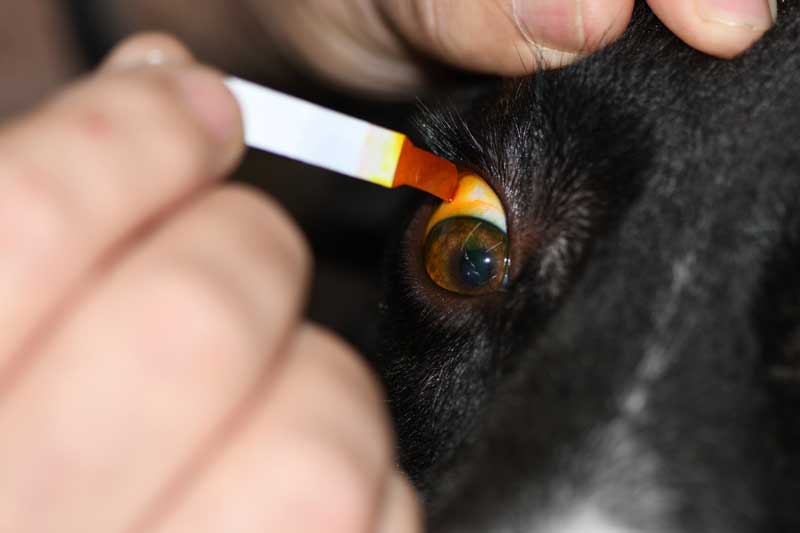
You notice your pet squinting, pawing at one eye, or holding it shut, and the worry starts fast. Eye problems look small until they do not. A little redness can turn out to be a painful scratch, an ulcer, or deeper corneal damage that needs treatment right away. That is why how general veterinarians use fluorescein stain to detect corneal damage matters so much, especially when you visit a veterinarian in Universal City, TX. The test is quick, gentle, and often the clearest way to see whether the surface of the eye has been injured.
A general veterinarian does not need a dramatic injury to reach for fluorescein stain. Pets can get corneal damage from rough play, dry eye, a cat claw, debris in the yard, shampoo exposure, or an eyelid problem that keeps rubbing the eye. The stain helps show defects on the cornea that may be hard to see under normal light, which means it can guide treatment before the problem gets worse.
Fluorescein stain helps general veterinarians find corneal injuries early
The cornea is the clear front surface of the eye. When it is healthy, fluorescein dye does not stick to it. When there is a scratch, erosion, or ulcer, the dye clings to the damaged area and glows bright green under blue light. That contrast gives a general veterinarian a fast way to identify corneal surface damage and judge its size, shape, and location.
You may hear this described as fluorescein staining for corneal ulcers or a corneal stain test. The process is simple. A small strip with dye is moistened and touched to the eye, or a drop is placed on the surface. The eye is then rinsed lightly if needed, and the veterinarian examines it with a light source. Pets usually tolerate it well, even when the eye is sore.
This matters because eye pain can look vague at home. Tearing, blinking, redness, light sensitivity, and discharge can all blend together. One dog may keep rubbing the eye on the carpet. One cat may simply hide and stop acting normal. The stain gives the exam a clearer answer. If the dye outlines a defect, treatment can begin with more confidence. If it does not stain, your veterinarian keeps looking for other causes such as conjunctivitis, glaucoma, uveitis, or a problem behind the eye.
Corneal staining shapes treatment and follow up
Finding damage is only part of the job. The stain also helps the veterinarian decide what happens next. A shallow abrasion may need antibiotic eye medication, pain control, and a recheck in a few days. A deeper ulcer, a melting ulcer, or a wound that looks infected may need urgent referral and more advanced care.
That difference is not minor. Corneal ulcers can worsen quickly, especially in brachycephalic dogs, pets with dry eye, or animals that keep rubbing the eye. Cornell’s overview of corneal ulcers in cats explains how painful and serious these injuries can become. Tufts also outlines what happens during eye exams in dogs, including the role of fluorescein stain in identifying ulcers and other surface injuries.
Some ulcers do not heal the way they should. In dogs, indolent ulcers can linger because the outer corneal layer does not attach properly to the tissue beneath it. The University of Illinois discusses indolent ulcerations in dogs and why repeated staining and follow up matter. A general veterinarian often catches the pattern first, then treats or refers based on how the eye responds.
Home observation and veterinary testing are not the same thing
You can spot that something is wrong at home, but you cannot confirm the depth or type of injury without an eye exam. That gap matters. A pet may seem only mildly irritated, yet the stain may reveal a true ulcer. The opposite can happen too. A very red eye may not have a stainable scratch at all, which changes the treatment plan.
| What you notice at home | What a general veterinarian can confirm | Why it matters |
|---|---|---|
| Squinting, tearing, rubbing, redness | Whether fluorescein dye sticks to a corneal defect | Confirms or rules out a surface ulcer or abrasion |
| Cloudy eye or discharge | Size, location, and pattern of corneal damage | Helps guide medication choice and urgency |
| Symptoms seem mild | Whether the ulcer is shallow, deep, or infected | Prevents delayed care for a problem that can worsen fast |
| Eye seems better for a day | Whether the stain is still positive at recheck | Shows if the cornea is actually healing |
This is where corneal damage detection in pets becomes practical, not abstract. The stain is not just a diagnostic trick. It is a decision tool. It tells the veterinarian whether the cornea is open and vulnerable, whether healing is progressing, and whether the eye needs simple treatment, more testing, or urgent specialty care.
Three steps you can take right away when an eye looks painful
1. Stop the rubbing. Use an e collar if you have one and your pet will tolerate it. Rubbing can turn a small scratch into a larger ulcer within hours.
2. Skip leftover eye medication. Old drops from a past problem can make things worse, especially if they contain steroids. A stain test should happen before random treatment starts.
3. Book a same day veterinary exam for squinting or a closed eye. Eye pain is urgent. A general veterinarian can perform fluorescein staining, check for ulcers, and decide if your pet can be treated in clinic or needs referral.
Early staining protects the eye and reduces the guesswork
If your pet has a painful eye, you are not overreacting by taking it seriously. Corneal injuries are common, they hurt, and they can change quickly. Fluorescein stain gives a general veterinarian a fast, reliable way to see damage that the naked eye can miss, and that one step often shapes everything that follows. Prompt care gives the cornea the best chance to heal cleanly and helps protect your pet’s vision.
If your pet is squinting, tearing, or pawing at the eye, schedule an exam with a general veterinarian as soon as you can.