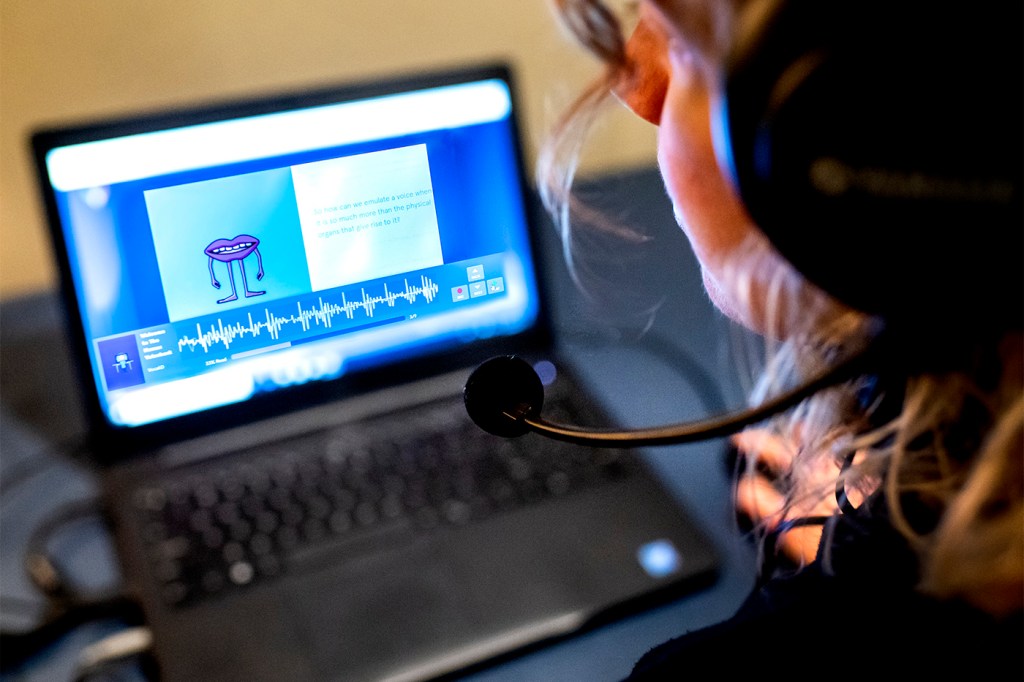
Voice personalization in text-to-speech (TTS) platforms is one of the most exciting advancements in artificial intelligence. As technology evolves, TTS is moving beyond static, robotic voices to offer dynamic, personalized options that transform the user experience. Whether it’s creating custom voices for branding, enhancing accessibility for individual users, or supporting multilingual needs, voice personalization is revolutionizing how we interact with digital platforms.
In this blog, we’ll explore what voice personalization means for TTS platforms, its current capabilities, and the future possibilities in this rapidly advancing field.
What Is Voice Personalization in TTS?
Voice personalization refers to the ability of TTS platforms to create and modify voices tailored to specific users or contexts. The selection or customization of a voice should not be generic; in fact, it may even be a voice profile based on requirements which is selected by the user. Voice profiles can be modified in terms of tone, pitch, language, and emotional nuance, giving the listener an experience that is engaging and appealing to them.
For example, a business can use voice personalization to create a brand-specific voice for customer interactions, while individuals with speech disabilities can replicate their own voice using advanced AI tools.
The Current Capabilities of Voice Personalization
Voice personalization has ushered in new ways to interact with technology and offers tailored audio experiences that feel increasingly human and engaging. Whether it’s a business augmenting their branding or an individual improving accessibility, these advances in TTS technology are a game changers.
1. Custom Voice Creation
Modern TTS platforms allow users to create unique voices by training AI models on specific audio samples. This is particularly valuable for individuals seeking to preserve their voice due to medical conditions or organizations wanting a distinctive voice for brand consistency.
2. Emotionally Intelligent Voices
AI-powered TTS systems can now infuse emotions into speech. This means a voice can sound cheerful, empathetic, or assertive based on the context, enhancing the listener’s connection to the content.
3. Multilingual and Regional Accent Support
TTS platforms increasingly offer support for multiple languages and regional accents, making voice personalization accessible to diverse audiences.
For instance, businesses expanding globally can localize their voice interactions to resonate better with customers in different regions.
4. Integration with Assistive Technologies
Voice personalization enables enhancing accessibility whereby users can shape the voice to suit their needs. Users can set TTS voices according to their likes and thus replicate their natural speaking style, which will help the blind and people having speech or writing disabilities.
Diving deeper into the use of AI in voice personalization will uncover how the transition of the machine learning models grew with such new development. Let us explore how better AI alters the future of personalized lifelike audio solutions.
The Role of AI in Voice Personalization
Voice personalization is wholly dependent on artificial intelligence. Various machine learning models analyze a large dataset of voice recordings in producing high-quality and naturalistic speech. Besides, artificial intelligence offers continuous improvement as it learns a user’s preferences with time and tailors voices accordingly, so the performance improves significantly.
Platforms like Smallest AI are at the forefront of this evolution, leveraging cutting-edge AI to deliver voice personalization at scale. These platforms focus on creating voices that are not only realistic but also emotionally engaging and contextually appropriate.
Benefits of Voice Personalization in TTS Platforms
Voice personalization has revolutionized interaction between technology and people, bringing in a myriad of benefits that enrich the processes of user experience and user communication. With voice personalization, TTS platforms can tailor make voices that forge unapologetically meaningful and memorable audio engagements.
1. Enhanced User Engagement
Personalized voices capture attention and create a deeper connection with users. For educational apps, a friendly and relatable voice can make lessons more enjoyable, while for e-commerce platforms, a professional tone can instill trust.
2. Improved Accessibility
Tailored voices meet the unique needs of individuals with disabilities, offering a more inclusive experience. For instance, a visually impaired user can select a voice speed and tone that suits their comfort level.
3. Brand Differentiation
Businesses can use personalized voices to strengthen their brand identity. A unique voice helps companies stand out in a competitive market and ensures consistency across all customer touchpoints, from apps to advertisements.
4. Cultural Relevance
By incorporating regional accents and multilingual options, TTS platforms can cater to diverse audiences, improving cultural resonance and communication effectiveness.
5. Emotional Connection
Emotionally intelligent voices foster stronger connections with users, whether it’s a comforting tone in healthcare apps or an energetic pitch in fitness applications.
While voice personalization offers exciting opportunities, it also comes with its share of challenges. From ethical concerns to technical complexities, understanding these hurdles is essential to harnessing the full potential of personalized TTS solutions.
Challenges in Voice Personalization
While voice personalization offers incredible possibilities, it is not without obstacles. Issues such as data security, cost, and inclusivity need to be addressed to make this technology more accessible and equitable for all.
- Data Privacy and Security: Training AI models for personalized voices requires large amounts of voice data, raising concerns about user privacy and data security.
- Cost and Accessibility: Developing and deploying personalized voices can be expensive, limiting access for smaller businesses and individual users.
- Bias and Inclusivity: AI models may inadvertently reflect biases present in training data, leading to less inclusive voice options.
- Technical Complexity: Creating high-quality personalized voices involves advanced machine-learning techniques that may not be easily understood or accessible to non-experts.
As technology continues to advance, the future of voice personalization holds exciting potential. From hyper-realistic voices to deeper emotional intelligence, the next generation of TTS platforms promises to redefine how we connect through audio.
Future Possibilities for Voice Personalization in TTS Platforms
The future of voice personalization possesses tremendous potential, driven by artificial intelligence and machine learning. These innovations are about to transform human interaction with technology, leading to even more lifelike and adaptable voices.
1. Hyper-Realistic Voice Cloning
The advancements in deep learning are ushering in a time of hyper-realistic voice that is nearly indistinguishable from human speech. TTS platforms of the future would allow users to clone voices in real-time with the smallest input data, opening numerous possibilities for personalization.
2. Dynamic Contextual Adaptation
AI-enhanced TTS systems could become much more aware of semantics, arranging voice attributes like tone, speed, and emotion in accordance with the content or audience. For instance, a bedtime story voice could switch to a gentle tone; a workout app could adopt high spirits.
3. Voice Marketplaces
As personalization becomes the norm, platforms may gradually introduce a marketplace where users can scout and purchase custom voice profiles. This marketplace can include celebrity voices, fictional characters’ voices, or industry-specific voices suited to different use cases.
4. Integration with AR and VR
Voice personalization could play a vital role in augmented reality (AR) and virtual reality (VR) environments, where interactive, personalized voices enhance user immersion and engagement.
5. AI-Powered Voice Coaching
Future TTS platforms might offer voice coaching tools, helping users refine their personalized voices for better clarity, emotional range, or cultural appropriateness.
As the landscape of voice personalization evolves, platforms like Smallest AI are at the forefront of these transformative changes. Let’s explore how Smallest AI is leading the charge in revolutionizing the TTS industry with cutting-edge features and solutions.
How Platforms Like Smallest AI Are Shaping the Future
Smallest AI, like other forerunners, is behind the innovation trend in voice personalization by joining advanced AI techniques with easy-to-use interfaces. The platform is designed for the delivery of customizable natural-sounding voices in meeting diverse needs from individual access to enterprise branding.
By prioritizing inclusivity, security, and ease of use, Smallest AI is setting a benchmark for the industry, paving the way for widespread adoption of voice personalization across sectors.
Conclusion
Voice personalization in TTS platforms is transforming how we interact with technology, making communication more engaging, inclusive, and contextually relevant. As AI continues to evolve, the possibilities for voice personalization are boundless, from real-time voice cloning to dynamic emotional adjustments.
Businesses, educators, and individuals have much to gain from this technological shift. Platforms like Smallest AI are at the forefront, empowering users to create voices that truly resonate with their unique needs and aspirations.
The future of TTS is not just about hearing voices, it’s about connecting with them.