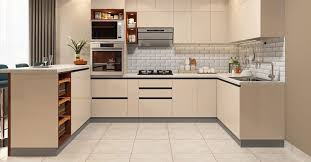
Moisture damage is a common issue for modern cabinetry in many parts of Australia, especially in coastal and high-humidity areas. Whether you’re living near the beach or in a tropical region, choosing the right materials for your cabinets can make all the difference in their longevity and performance. All Cabinetry bathroom renovations in Cheltenham understand this challenge well, as do many homeowners, renovators, cabinet makers, builders and specifiers across Australia.
Key Takeaways
- Marine-grade plywood and phenolic panels offer superior moisture resistance for wet areas like bathrooms and laundries
- Edge protection is critical – even waterproof materials can fail if edges and joints aren’t properly sealed
- Hardware selection matters – choose stainless steel or specially coated options for humid environments
- Proper installation practices including raised plinths and adequate ventilation significantly extend cabinetry lifespan
- Material selection should match local climate conditions and the specific moisture exposure in each room
What Causes Moisture Damage to Cabinetry in Australia
Climate and Local Conditions
Australia’s diverse climate creates varying challenges for cabinetry. Coastal homes face salt-laden air that accelerates corrosion. Northern regions experience high humidity levels year-round, while southern areas might face seasonal humidity swings that cause materials to expand and contract repeatedly.
Indoor Sources
Many moisture problems originate inside the home. Leaking plumbing is a common culprit, but even properly functioning kitchens and bathrooms generate significant moisture. Steam from showers, splashes around sinks, and condensation from cooking all contribute to the moisture load your cabinetry must handle.
Construction and Installation Issues
Poor installation practices can doom even the best materials. Inadequate ventilation behind cabinets, improper sealing at edges and corners, and direct contact with wet floors or walls can all lead to premature failure regardless of the materials used.
Performance Criteria for Moisture-Resistant Cabinetry
Water Resistance vs Moisture Tolerance
These terms are often confused but represent different capabilities. Water resistance refers to a material’s ability to resist liquid water penetration during short exposures (splashes and spills). Moisture tolerance describes how well a material maintains its dimensional stability and integrity when exposed to high humidity or occasional wetting over time.
Resistance to Biological Attack
Moist environments create perfect conditions for mould, mildew and fungal growth. Materials for wet areas must resist biological attack to maintain both appearance and structural integrity. This is particularly important in bathrooms, laundries and kitchens.
Dimensional Stability
How much a material swells, warps or distorts when exposed to moisture directly impacts cabinet functionality. Doors and drawers that stick, benchtops that warp, and panels that bubble or delaminate are all symptoms of poor dimensional stability under moisture stress.
“The most beautiful cabinetry is worthless if it can’t stand up to the moisture conditions it will face day after day. Material selection is the foundation of a lasting installation.” – All Cabinetry
Best Materials for Moisture-Resistant Cabinetry
Marine-Grade Plywood
True marine-grade plywood uses waterproof adhesives between all plies and contains no voids or core gaps. It’s an excellent choice for high-humidity and splash zones, particularly in coastal homes. While more expensive than standard plywood, it offers superior dimensional stability when wet. Even so, edges need sealing, and an appropriate finish must be applied for complete protection.
Moisture-Resistant MDF
MR-MDF (sometimes called HMR-MDF) includes wax additives that improve moisture resistance compared to standard MDF. It provides a smooth surface ideal for painted finishes and laminates. However, it’s not fully waterproof and remains vulnerable at cut edges, which must be sealed thoroughly. Best used in semi-wet zones rather than areas with direct water exposure.
Phenolic and Compact Laminate Panels
These materials represent the gold standard for wet-area cabinetry. Made from resin-impregnated kraft paper core with decorative surfaces, phenolic panels are solid, homogeneous materials that are waterproof throughout – not just on the surface. They’re ideal for bathroom vanities, laundry cabinetry, and homes in extremely humid or coastal environments.
Stainless Steel and Aluminium
Metal cabinetry offers complete waterproofing when properly constructed. Marine-grade stainless steel (316 grade) resists corrosion from salt air, making it suitable for coastal properties. While higher in cost and limited in aesthetic options, metal cabinets provide unmatched moisture resistance and hygienic properties for commercial-style kitchens and outdoor cabinetry.
Edge Treatment and Hardware Considerations
Even the most moisture-resistant panel material can fail if edges and joints aren’t properly protected. Here are the critical components that complete a moisture-resistant cabinet system:
- Edge banding: PVC and ABS offer better moisture protection than melamine tape. Thicker options (2mm vs 1mm) provide superior impact protection for edges.
- Sealants: Polyurethane and silicone marine sealants at joints prevent water ingress at vulnerable connection points.
- Hardware: Stainless steel or specially coated hinges, drawer runners and shelf supports resist corrosion in humid environments.
- Finishes: Two-pack polyurethane or marine-grade varnishes create waterproof barriers over vulnerable surfaces.
- Bench-to-cabinet sealing: Proper caulking between splashbacks, benchtops and cabinets prevents water migration into cabinet interiors.
Installation Practices for Moisture Resilience
Material selection is just the beginning – proper installation techniques are equally important for moisture resistance:
Mounting and Clearance
Cabinets should be installed on raised plinths rather than directly on potentially wet floors. In bathrooms and laundries, a minimum 100mm clearance from the floor helps prevent water absorption from splashes and mopping.
Carcass Construction
All internal dados, grooves and joints should be sealed with appropriate moisture-resistant adhesives. Back panels should be properly fitted and sealed to prevent moisture intrusion from walls, especially in shower-adjacent locations.
Ventilation Strategy
Adequate airflow is critical for preventing moisture buildup. This includes both external ventilation (exhaust fans, windows) and ensuring cabinets themselves have appropriate ventilation, particularly under sinks where plumbing penetrations exist.
Material Selection by Environment
The ideal material choice depends on the specific moisture exposure level:
Wet Zones (Bathrooms, Laundry Sink Areas)
Phenolic panels, compact laminate, marine-grade plywood with waterproof finish, or stainless steel construction offer the best performance. These materials can handle direct water contact when properly assembled.
Semi-Wet Zones (Most Kitchens, Laundry Storage)
MR-MDF or melamine-faced MR particleboard with HPL or acrylic faces and sealed edges typically perform well. The key is thorough edge protection and quality hardware.
Dry Zones with Humidity Exposure
Standard melamine-faced particleboard may be adequate, though upgrading to moisture-resistant core materials provides valuable insurance against occasional moisture events.
Conclusion
Selecting the right moisture-resistant materials for your cabinetry involves balancing performance requirements, aesthetic preferences, and budget considerations. The best approach is to match material choices to the specific moisture conditions in each space, using more robust solutions in wet areas and potentially more economical options in drier zones. Remember that proper edge treatment, quality hardware, and correct installation techniques are just as important as the panel materials themselves. All Cabinetry specializes in creating beautiful, durable cabinetry solutions that stand up to Australia’s challenging conditions while meeting your design goals.