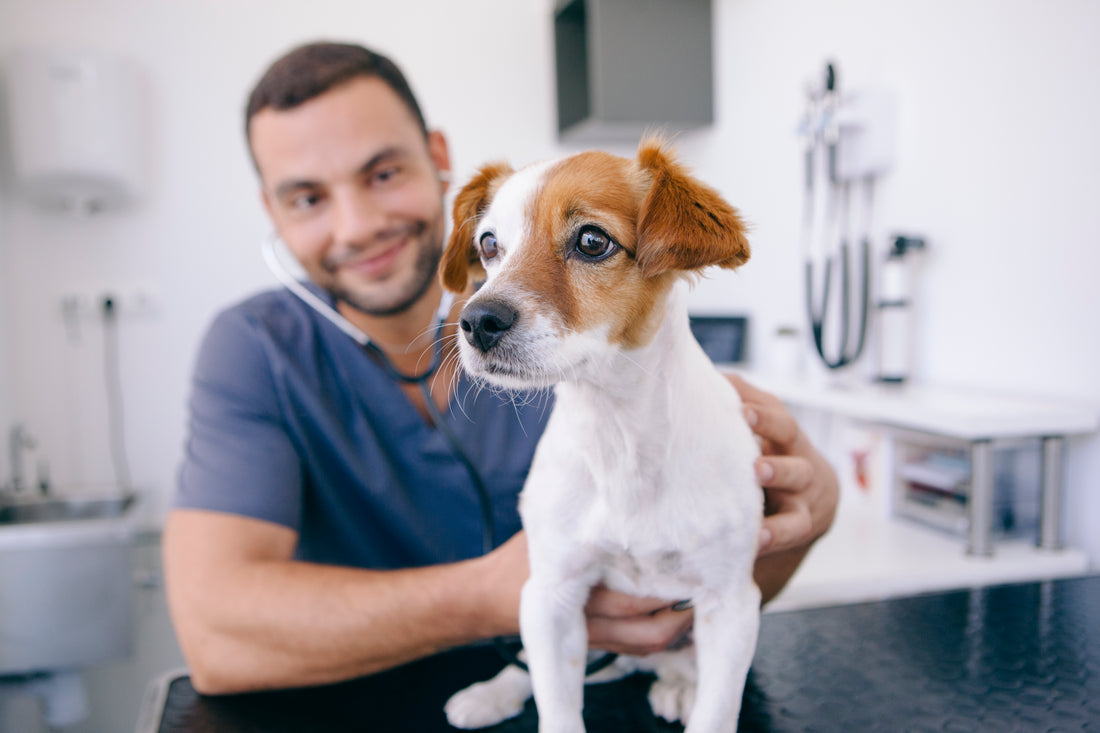
You might look at your dog or cat stretched out on the couch, eating well, acting normal, and think, “They seem fine, so do we really need another vet visit?” That feeling is common, especially when life is busy, and pet care costs add up. It can be hard to justify an appointment with a Westwood veterinarian when nothing seems wrong. But that quiet stretch, when your pet looks healthy, is often the best time to catch problems early, keep care simpler, and avoid harder news later on.
That is the heart of why pet owners shouldn’t skip wellness visits. These routine appointments are not just a box to check. They give your general veterinarian a chance to spot subtle changes, track aging, update prevention, and help you make informed choices before a small issue turns into a painful or expensive one.
What can happen when a pet seems healthy, but something is changing underneath?
Pets are good at hiding discomfort. Cats often mask pain until a problem is advanced, and dogs can keep eating, playing, and wagging while disease develops slowly in the background. Because of that, waiting for obvious symptoms can leave you a step behind.
So, where does that leave you? It means a routine pet checkup is often less about reacting and more about noticing patterns. Weight gain, dental disease, early arthritis, skin changes, heart murmurs, lumps, and shifts in behavior can all start quietly. You may not see them day to day, because you are with your pet all the time. A veterinarian sees those details through a different lens.
Age matters too. Pets age faster than people, which means a year can bring major changes. The AVMA explains this clearly in its guide on how pets age faster than people. A delay of even six or twelve months can mean missing an early window for treatment.
And then there is prevention. Vaccines, parasite control, nutrition, and screening tests are not one size fits all. A young indoor cat has different needs than a senior dog who hikes every weekend. A pet wellness exam helps tailor care to your pet’s age, habits, and risk factors, instead of relying on guesswork.
Why do wellness visits matter so much for cats, senior pets, and prevention?
Some pets are especially easy to overlook when they seem “low maintenance.” Cats are a classic example. They may resist carriers, hide when guests come over, and act stressed during travel, so many owners put off appointments. That is understandable. Still, regular visits matter, and it can help to look for cat-friendly clinics that reduce fear and make the experience easier for both of you.
Senior pets also need closer attention. Maybe your older dog is slowing down on walks, or your cat is sleeping more and jumping less. It is easy to call that “just aging,” but pain, kidney disease, thyroid disease, and cognitive changes can look a lot like normal aging at first. When these issues are caught early, your veterinarian can often help with diet changes, medication, or lifestyle support that keeps your pet comfortable longer.
Then some diseases are easier to prevent than treat. Heartworm and tick-borne illness can be serious, and risk can shift with travel, weather, and local exposure. Preventive care and testing help protect pets before they get sick. The University of Illinois offers a useful overview of how prevention and testing can keep pets safe from heartworm and Lyme disease.
Is skipping a routine pet checkup really saving money?
It can feel that way in the moment. You avoid the exam fee, skip lab work, and move on with your week. But when a hidden issue grows, the cost often rises with it. A mild dental problem can become an infection. A small lump can become a larger surgery. Weight gain can turn into joint strain and long-term mobility care.
Here is a simple way to look at it:
| Situation | With Regular Wellness Visits | When Visits Are Delayed |
|---|---|---|
| Dental disease | Early tartar or gum irritation is found and managed sooner | Pain, infection, tooth loss, and higher treatment costs may follow |
| Weight changes | Diet and activity adjustments can start before strain builds | Obesity, diabetes risk, and joint stress may worsen over time |
| Senior health shifts | Lab work may catch kidney, thyroid, or liver changes early | Symptoms may appear only after disease has progressed |
| Parasite prevention | Prevention plans are updated for your pet’s real risk | Missed doses or outdated plans can leave gaps in protection |
| Behavior changes | Stress, pain, or illness can be explored before habits set in | New problems may be mistaken for “bad behavior” or aging |
A wellness exam for pets is often one of the few chances each year to step back and ask, “Has anything changed that we should not ignore?” That question alone can make a real difference.
What can you do right now to make preventive care easier?
1. Put the next visit on the calendar before you forget.
If your pet is young and healthy, annual visits may be appropriate. If your pet is a senior or has an ongoing condition, your veterinarian may suggest more frequent care. Scheduling ahead removes the mental load and makes preventive care more likely to happen.
2. Keep a short notes list about changes at home.
Write down shifts in appetite, thirst, bathroom habits, sleep, movement, breath, or mood. Small details matter. You do not need a perfect record. A few honest observations can help your veterinarian connect dots you may not realize are related.
3. Ask what screening and prevention fit your pet’s age and lifestyle.
Not every pet needs the same plan. Ask about vaccines, dental checks, parasite prevention, blood work, weight management, and mobility support. A general veterinarian can help you sort what is needed now, what can wait, and what deserves closer watch.
When you want more good years together, what is the next step?
Most pet owners do not skip care because they do not love their animals. They skip because life gets full, money gets tight, and a pet who seems fine can make the decision feel less urgent. That is human. Still, routine wellness visits give you something hard to replace later, which is time. Time to catch disease early, time to ease pain sooner, and time to make choices with more options on the table.
If it has been a while since your pet’s last checkup, now is a good time to schedule a visit with a general veterinarian and get a clear picture of where things stand. A simple appointment today can protect a lot of comfort tomorrow.