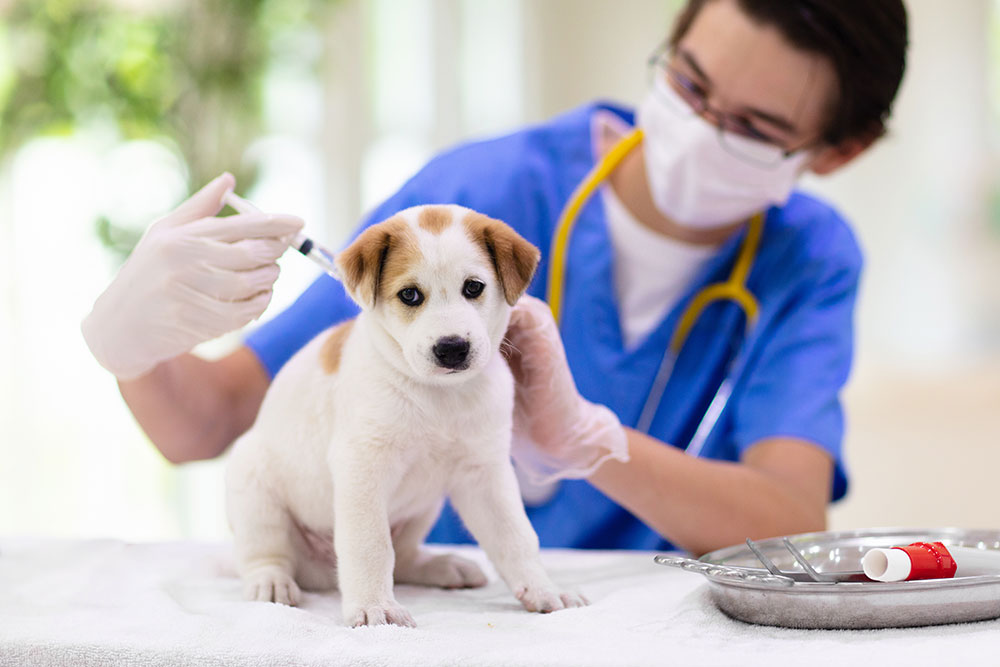
You might be feeling a quiet worry in the back of your mind every time you look at your pet’s vaccination card. You think, “Are we up to date? Did I miss something last year? What if I’m putting them at risk without realizing it?” Life is busy, appointments blur together, and suddenly a “next month” reminder turns into “it has already been a year.” That’s when finding a trusted veterinarian in Yorba Linda can give you peace of mind.
At the same time, you care deeply about doing the right thing. You want your dog or cat protected, you want to follow the recommended schedules, and you do not want to get tangled in confusing advice from the internet or well meaning friends. Because of this tension, you might wonder why some people seem to stay on top of vaccines so easily, while you feel like you are always catching up.
Here is the short version. When vaccination is handled through a veterinary clinic instead of piecemeal or on your own, it becomes much easier to stay compliant. You get a clear plan, reminders, safety checks, and one trusted source of advice. Everything lives in one place, which lowers your stress and raises the odds that your pet is actually protected when it matters.
Why does staying on top of pet vaccines feel so hard in the first place?
Before talking about solutions, it helps to name what you are up against. Pet vaccination schedules are not simple. Puppies and kittens need a series of shots over several months. Adult pets need boosters at different intervals depending on the vaccine. Some are yearly, some are every three years, some depend on lifestyle and local disease risk.
If you try to manage this alone, you are often juggling:
• Different due dates for different vaccines.
• Conflicting advice from online sources.
• Questions about side effects or safety.
• Money concerns, especially with multiple pets.
• Fear of missing something serious, like rabies.
So where does that leave you? Many owners end up doing “partial compliance.” They get the rabies shot because it is required by law, but they are late or inconsistent with other core or lifestyle vaccines. It is not because they do not care. It is because life is complicated and the system they are using depends on memory, guesswork, and scattered information.
This is why organizations like the American Animal Hospital Association have created preventive healthcare guidelines for dogs and cats. These guidelines show how complex proper preventive care can be, even for professionals. Expecting yourself to track all of that without structured support is asking a lot.
What makes veterinary clinics better at keeping vaccinations on track?
When you move your pet’s vaccines into a veterinary clinic setting, you are not just buying a shot. You are buying a system that is built to keep track of details for you. That is what makes vaccination compliance through veterinary practices so much easier.
Think about the difference in experience.
At a clinic, your pet has a medical record. Every vaccine, date, batch number, and reaction is logged. The team knows which vaccines are due and when. Many clinics use automated reminders by text, email, or postcard, so you are not relying on a scribbled note on the fridge.
You also get a safety net. Before a vaccine is given, your veterinarian listens to your concerns, checks your pet’s health, and adjusts the plan if needed. For example, an older cat with kidney disease may need a different schedule than a young, healthy cat. A dog that travels or hikes a lot might need additional protection. You are not guessing. You are guided.
There is also a legal and public health side that is easy to overlook. Rabies in particular is tightly regulated, and following CDC guidance for veterinarians helps protect not only your pet, but also your family and community. When a licensed veterinary clinic administers and documents rabies vaccines, you have solid proof if your pet ever bites or is exposed to wildlife. That can be the difference between a simple observation period and a very stressful, complicated situation with local authorities.
So the “why” behind easier vaccination follow through at veterinary clinics is not just about convenience. It is about structure, safety, and accountability that you do not have to build on your own.
How do clinics compare with DIY or low structure vaccination approaches?
It can help to see the differences side by side. You might be weighing options like vaccine clinics at pet stores, mobile events, or trying to piece things together yourself. Each path has tradeoffs in terms of compliance, safety, and peace of mind.
| Approach | How easy is long term compliance? | Safety and medical oversight | Record keeping and legal protection |
|---|---|---|---|
| Full care through a veterinary clinic | High. Clinic tracks schedules, sends reminders, and aligns vaccines with yearly exams. | High. Vet checks health before vaccines, adjusts for age, disease, or reactions. | Strong. Formal medical records support boarding, travel, and bite or exposure cases. |
| Occasional vaccine clinics or pet store events | Moderate. You may get reminders, but usually only for what they gave, not your pet’s full plan. | Variable. Basic screening is done, but less personalized and limited history available. | Moderate. You get proof of vaccination, but records may be harder to access or interpret later. |
| DIY mindset or irregular, owner driven scheduling | Low. Relies on your memory and understanding of complex schedules. | Low. Hard to spot vaccine conflicts, health changes, or rare side effects early. | Weak. Incomplete or scattered records can cause problems in legal or public health situations. |
Public health experts have long known that systems matter more than intentions. A CDC report on vaccination program performance explained how structured reminders and record systems dramatically increase completion rates for vaccines and boosters. You can see this thinking in documents like the CDC recommendations and reports on immunization strategies. The same idea applies to your pet. A good system makes good behavior the default, not the exception.
What can you do right now to make vaccines easier and safer?
You do not need to overhaul your entire approach overnight. A few focused steps can move you from “I hope we are up to date” to “I know we are covered” and make routine veterinary clinic visits feel much more manageable.
1. Ask your veterinary clinic for a simple, written vaccine plan
At your next visit, request a one page summary of your pet’s vaccine schedule. This should list which vaccines your pet gets, why they are recommended, and the month or year they are next due. Keep a photo of this plan on your phone so it is always with you. This way you do not have to remember exact names or dates. You just check the plan and lean on the clinic to keep it updated.
2. Use the clinic’s reminder system and tie vaccines to annual exams
Make sure your contact information is current so you receive texts or emails. Then, whenever you get a reminder, treat it as a gentle nudge, not a criticism. If the timing is hard, call and ask what flexibility you have. Often, clinics can combine vaccines with yearly wellness visits, which makes it easier to stick to a rhythm. Over time, your “vaccine day” simply becomes “checkup day,” and compliance stops feeling like one more separate chore.
3. Be transparent about your worries and your budget
If you are worried about reactions, say so. If money is tight, say that too. Your veterinarian cannot read your mind, but can often adjust the plan, spread out vaccines, or prioritize the most critical ones first. When you speak openly, you can co create a schedule that protects your pet without leaving you anxious or resentful. That kind of honest partnership is what turns routine shots into a calm, predictable part of life with your pet.
Where does this leave you and your pet?
You do not need to be perfect, and you do not need to carry all the responsibility alone. When you move your pet’s vaccines into a structured clinic based system, you give yourself permission to stop guessing. You get clear plans, reliable reminders, and a team that understands both the medical science and your real life constraints.
The goal is simple. A healthy pet, fewer unpleasant surprises, and a calmer you. Shifting vaccine management into a veterinary clinic is one of the most practical ways to get there.