You might be feeling a quiet worry every time your pet seems a little “off.” Maybe they are sleeping more, eating less, or just not acting like themselves, and a part of you wonders if you are missing something serious. At the same time, life is busy, vet visits can be stressful, and it is easy to push routine checkups to the bottom of the list until there is an emergency and you are rushing to the animal hospital, wishing you had gone sooner to your trusted downtown Hamilton veterinarian.
That gap between “They seem fine” and “Something is really wrong” is exactly where preventive screenings matter most. Regular exams, bloodwork, and other simple tests often catch disease before it becomes painful, expensive, or life-threatening. In plain terms, the importance of preventive screenings at animal hospitals is this. They give you a chance to act early, instead of reacting late.
This is not about being a perfect pet owner. It is about having a realistic, kind plan that keeps your dog or cat as healthy as possible, while also protecting your time, your wallet, and your peace of mind.
Why do routine screenings matter when my pet “looks healthy”?
One of the hardest parts of caring for animals is that they hide discomfort very well. A dog can wag through arthritis. A cat can purr through kidney disease. You often do not see obvious signs until a condition is advanced. That is the emotional trap. You feel guilty for not noticing sooner, even though there was nothing obvious to see.
Because of this tension, you might wonder if you are overdoing it by scheduling routine tests, or if you are being careless by skipping them. This is where preventive care comes in. Regular screenings give your veterinarian a baseline for what is normal for your pet, then reveal subtle changes long before they turn into crises.
Professional groups like the American Veterinary Medical Association outline clear recommendations for preventive health care for dogs and cats, including checkups, vaccines, and lab tests. These are not “nice to have” extras. They are the foundation of long-term health.
So where does that leave you? It means that scheduling preventive care for pets at your local animal hospital is not about being anxious. It is about being prepared.
What can preventive screenings at an animal hospital actually find?
Think of preventive screenings as a quiet, behind-the-scenes safety net. While you see your pet’s behavior on the surface, your veterinarian is looking underneath, using tools you simply do not have at home.
Common screenings at an animal hospital may include:
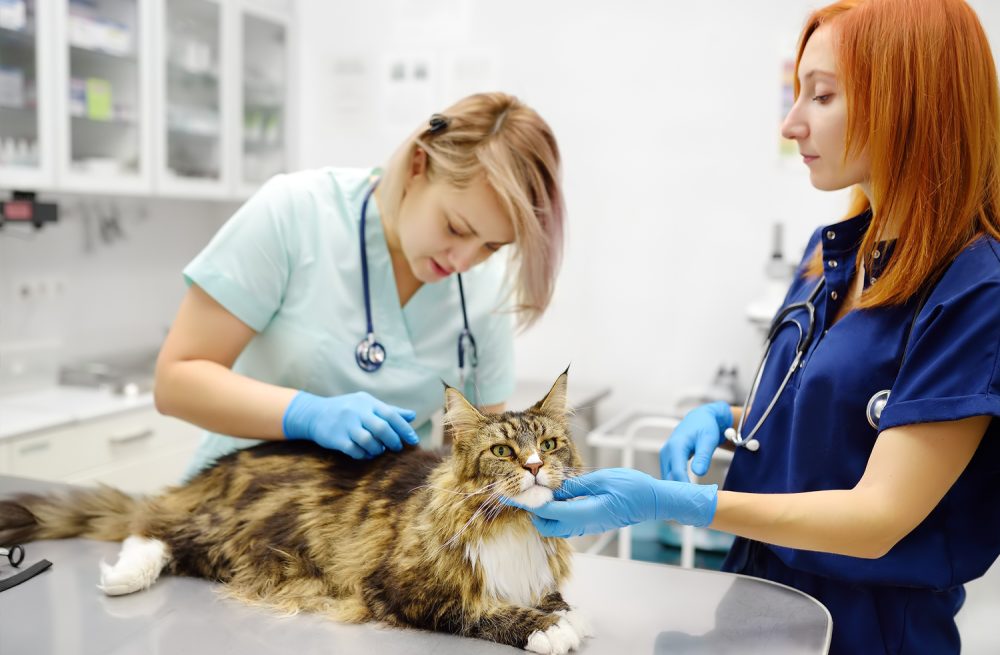
Physical exam. Your vet checks eyes, ears, heart, lungs, joints, teeth, skin, and body weight. They look for lumps, dental disease, heart murmurs, and early arthritis. Many of these are painless for your pet and quick to perform.
Bloodwork and urinalysis. These tests can uncover kidney disease, liver problems, diabetes, infections, and anemia long before your pet “acts sick.” Early detection often means simpler treatment and better outcomes.
Fecal tests. These screen for intestinal parasites that can affect both pets and people. The Centers for Disease Control and Prevention explain how staying healthy around pets includes parasite prevention and good hygiene. You can read more in their guide on how to stay healthy around pets.
Heartworm and tick-borne disease tests. Heartworm and certain tick diseases can be silent for months. Screening allows early treatment and supports safe use of preventive medications.
Age specific screenings. Senior pets may need X-rays, blood pressure checks, or advanced lab panels. These help uncover cancer, organ disease, or painful joint issues, often before your pet loses weight or stops eating.
When these screenings are done regularly, your veterinarian can compare new results to old ones. A small shift that looks “normal” in isolation might be meaningful when viewed over time. This is one reason ongoing wellness care at an animal hospital is so valuable.
How do the risks and benefits of preventive screenings compare?
You might still be weighing the cost, time, and stress of going to the vet against the chance that something serious could be missed. That is a very reasonable concern, especially if money is tight or your pet gets anxious at the clinic.
The table below outlines some practical comparisons to help you think it through.
| Question | Skipping screenings | Regular preventive screenings |
|---|---|---|
| Upfront cost | Lower in the short term | Moderate, predictable yearly costs |
| Emergency bills | Higher risk of sudden, expensive ER visits | Lower risk, issues often caught before the crisis stage |
| Pet’s comfort | Greater chance of silent pain or slow decline | Better chance to prevent or reduce pain early |
| Treatment options | Fewer options if disease is advanced | More options when disease is detected early |
| Impact on family | More emotional shock, tough last-minute decisions | More time to plan, adjust, and prepare emotionally |
When you look at it this way, the importance of preventive screenings at an animal hospital is not just about avoiding worst-case scenarios. It is also about smoothing out the emotional and financial spikes that come with surprise illnesses.
What can you do right now to protect your pet’s health?
You do not need to overhaul everything at once. A few focused steps can move you from worry to a clear, manageable plan.
1. Schedule a routine wellness exam and ask about age-appropriate tests
If it has been more than a year since your pet’s last checkup, call your animal hospital and book a wellness visit. For puppies, kittens, seniors, or pets with chronic conditions, you may need visits more often.
During the appointment, ask your vet which screenings make sense for your pet’s age, breed, and lifestyle. For example, a senior cat may benefit from kidney and thyroid tests. A young outdoor dog may need more frequent fecal checks and tick disease screening.
Write down the plan, including how often each test should be repeated. This turns vague worry into a concrete schedule.
2. Create a simple preventive care budget
Financial stress is real, and it is easier to manage when you plan ahead. Once you know which tests and vaccines your pet needs each year, ask the clinic for a rough annual estimate. Divide that total by twelve and treat it like a small monthly “pet health fund.”
Some clinics offer wellness plans that spread costs out over the year. If that is available, compare it to saving on your own. The goal is not perfection. It is to avoid feeling blindsided when preventive care comes due.
3. Watch for subtle changes and share them with your vet
Screenings are powerful, but your daily observations are just as important. Make a note if you see changes in appetite, thirst, weight, energy, breathing, or litter box habits. Even small shifts can matter, especially in older pets.
Bring these notes to your animal hospital visit. They help your vet decide which tests to prioritize and whether your pet needs more frequent monitoring.
Moving forward with more confidence and less fear
Caring for an animal always involves some uncertainty. You cannot control everything, and that can feel scary when you love a pet deeply. What you can do is shrink the unknowns. Preventive screenings at an animal hospital give you information, and information gives you options.
You deserve to feel more prepared and less afraid of sudden bad news. Your pet deserves a chance at early, kinder treatment if something is brewing beneath the surface. Starting with one wellness visit and a simple plan is enough.
Reach out to your trusted animal hospital, schedule that checkup, and ask for a preventive care roadmap that fits your pet and your life. You are not overreacting. You are taking thoughtful, loving care of a family member who depends on you.