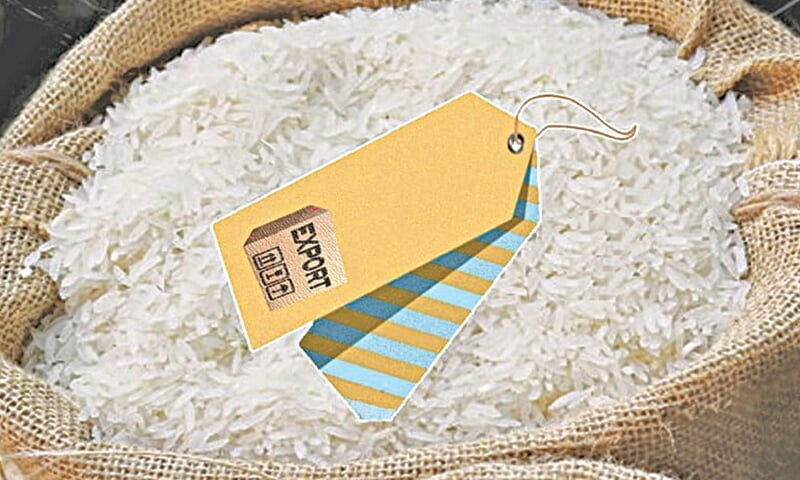
Have you considered how rice impacts the global food supply? This article emphasizes the critical role of sustainable practices in maintaining a dependable rice trade. As global demand for staple foods continues to rise, the significance of ethical and eco-conscious exports becomes increasingly vital. It explores how sustainable rice exports strengthen global food systems and underscores their necessity for fostering a prosperous and resilient future.
Impact of Sustainability on Global Food Supply
Sustainability in agriculture is shifting how food producers access global markets. For rice exporters, adopting eco-friendly practices enhances their contribution to the global food chain. There is application of sustainable methods not only to preserve the environment but also securing long-term productivity.
Farmers are prioritizing more on curtailing water usage and decreasing the use of chemicals to support healthier ecosystems. These efforts lead to a cleaner, more reliable supply of rice for international markets. The governments and industry players are also teaming up to promote such practices throughout the sector.
Meeting Increasing Rice Demand
With growing populations comes a rise in demand for rice around the globe. Exporters are finding innovative ways to meet this demand sustainably. Precision farming maximizes yields without wasting resources. Crop rotation and pest management are techniques used to enhance productivity and quality. This ensures that importing countries receive consistent supplies without compromising the planet. Efficient transportation methods, including energy-saving logistics, further reduce the carbon footprint associated with moving rice to global markets.
Strengthening Food Security Across Nations
Sustainable rice exports play a crucial role in enhancing food security worldwide. By ensuring steady, high-quality rice supplies, exporters contribute to stable food chains. Countries dependent on imports benefit significantly from these ethical practices, particularly during crises or natural disasters. Secure and predictable trade partnerships build trust between exporting and importing nations, creating robust networks. This cooperation helps avoid a supply interruption and ensures that food is delivered to where it is most needed.
Eco-Friendly Innovations in Rice Exportation
Technology is transforming the way rice is farmed and exported. Advanced farming techniques improve yields while reducing waste and resource use. For instance, automated irrigation systems save water and provide for improved crop management through detailed monitoring. Crop health is tracked, and conditions are optimized by means of drones and sensors.
Innovations in packaging have also made biodegradable materials replace traditional plastics to reduce the impact on the environment, which is very much in keeping with the objectives of sustainable agriculture and global responsibility towards the environment to set an example for other industries.
How Reliable Exports Empower Communities
The impact of sustainable rice exports extends beyond the food chain. They empower local farming communities by providing stable income opportunities that reduce financial uncertainty. Fairtrade practices encourage better wages for farmers and workers, fostering equality and improving livelihoods.
This financial stability fosters the development of rural areas through better infrastructure and access to essential services. Moreover, promoting ethical exports creates stronger connections between global consumers and producers. These relationships not only boost trust but also inspire further innovation and collaboration in the agricultural sector.
Supporting a More Resilient Future
The success of sustainable rice exports builds the foundation for a robust food system globally. Prioritizing eco-friendly practices not only safeguards resources for the future but also serves as an example to other industries across the chain. Other sectors are prompted to embrace similar approaches in the wake of progress toward sustainability.
It’s a chain reaction that benefits everyone involved, from farmers to end consumers, while also safeguarding biodiversity. This collective effort ensures food security, environmental health, and economic stability in the long run.
Sustainable practices in rice exports are essential for empowering global food chains and ensuring future security. Reliable rice exporters help maintain steady supplies while prioritizing eco-friendly methods. By choosing sustainable options, the global community supports ethical trade and environmental preservation. These efforts pave the way for a brighter, more resilient future for everyone, ensuring that vital food supplies remain abundant and accessible.