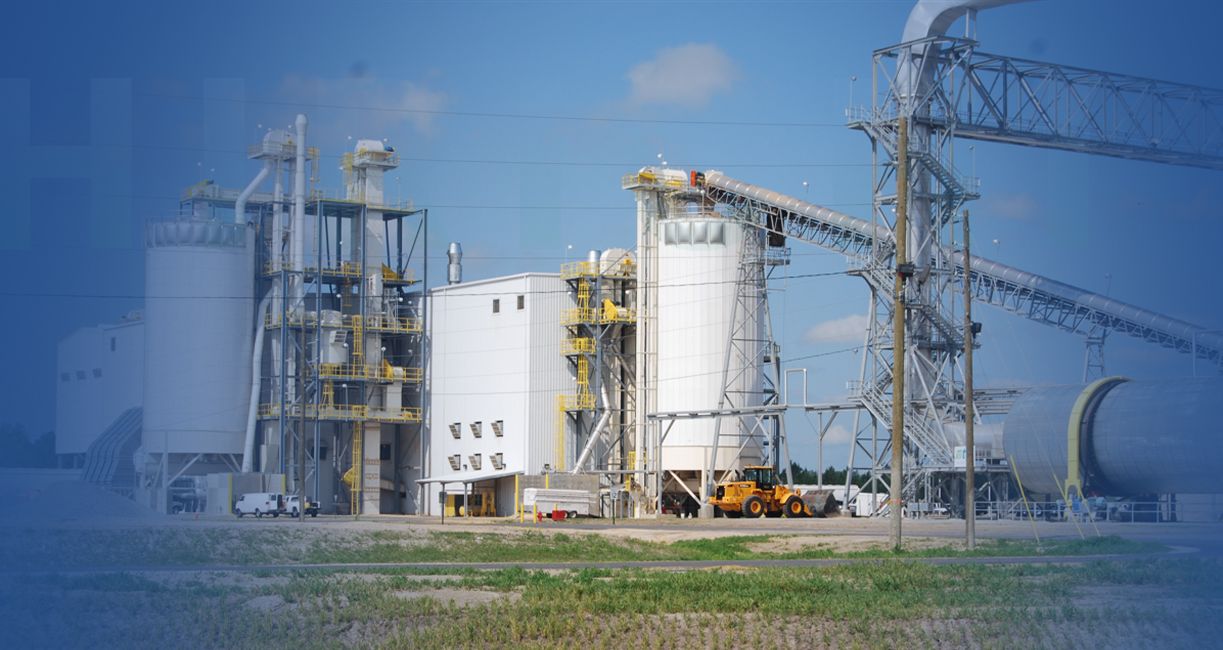
As the world shifts toward more sustainable farming practices, organic fertilizers are becoming increasingly popular. Unlike chemical fertilizers, which can degrade soil health over time, organic fertilizers nourish the soil naturally, supporting long-term agricultural productivity. A key component in producing these fertilizers efficiently is an organic fertilizer production line—a system designed to turn organic waste into nutrient-rich fertilizers.
In this article, we’ll explore how an organic fertilizer production line works, its numerous benefits, and how Cenemtl, a trusted provider of advanced equipment, is helping revolutionize the industry.
What is an Organic Fertilizer Production Line?
An organic fertilizer production line is a well-organized system that processes organic waste—such as animal manure, plant residues, and food scraps—into high-quality fertilizers. This process not only reduces environmental pollution but also enriches soil with essential nutrients, making it an eco-friendly alternative to synthetic fertilizers.
The production involves several key steps, from raw material collection to fermentation, granulation, drying, and packaging. Each stage is meticulously managed to ensure that the final product meets organic farming standards and provides optimal nutrients for crops.
Key Components of an Organic Fertilizer Production Line
1. Raw Material Collection and Preparation
Before the production process can begin, organic waste must be gathered and prepared. Common materials include:
- Livestock manure (cow, poultry, pig waste)
- Plant residues (straw, leaves, and other crop byproducts)
- Kitchen waste
- Municipal sludge
To make processing easier, the waste materials are crushed into smaller particles using specialized crushers. This step ensures uniformity and improves the efficiency of later stages.
2. Fermentation: The Key to Nutrient-Rich Fertilizer
Fermentation is a critical step where organic materials decompose under controlled conditions. This process eliminates harmful pathogens and unpleasant odors, making the fertilizer safe and effective.
How does fermentation work?
- Composting machines (such as windrow turners and in-vessel composters) help mix and aerate the organic matter, ensuring uniform decomposition.
- Aeration systems regulate oxygen levels to accelerate microbial activity, speeding up fermentation.
This stage is essential for breaking down raw waste into a form that plants can readily absorb.
3. Granulation: Transforming Fertilizer into Easy-to-Use Pellets
Once the organic material has fully decomposed, it is processed into granules. Granulated fertilizers are easier to store, transport, and apply to crops.
Granulators shape the processed material into uniform pellets with consistent size and density. Cenemtl provides state-of-the-art granulators that improve productivity while ensuring a high-quality end product.
4. Drying and Cooling: Ensuring Longevity
Freshly granulated fertilizer contains moisture, which must be reduced to enhance shelf life and prevent spoilage.
- Rotary dryers remove excess moisture, ensuring the fertilizer maintains its structure.
- Cooling machines stabilize the granules, preventing them from clumping together during storage.
5. Screening and Coating for Quality Assurance
Not all granules come out perfectly formed. A screening process removes unqualified particles, ensuring only the best-quality fertilizer reaches the market.
- Screening machines separate oversized or undersized granules. These can be recycled back into production.
- Coating machines apply a protective layer to prevent moisture absorption, ensuring the fertilizer remains effective for longer periods.
6. Packaging and Storage: Ready for Use
Finally, the fertilizer is weighed, bagged, and sealed for distribution. Automated packing machines streamline this process, making it efficient and reducing labor costs. Proper storage facilities ensure that the fertilizer remains in optimal condition until it reaches farmers and consumers.
Advantages of Organic Fertilizer Production Lines
Switching to an organic fertilizer production line offers numerous benefits, both for the environment and for agricultural productivity:
1. Environmental Sustainability
By recycling organic waste, these systems help reduce landfill waste, lower greenhouse gas emissions, and decrease reliance on chemical fertilizers—all crucial steps toward a healthier planet.
2. Improved Soil Health
Organic fertilizers enhance soil structure, boost microbial activity, and improve water retention. This leads to long-term soil fertility and better crop yields.
3. Cost-Effective Solution
Since organic fertilizer production uses waste materials, it offers a low-cost and sustainable way to manage agricultural and municipal waste while producing a valuable product.
4. Compliance with Organic Farming Standards
With increasing demand for organic food, farmers need fertilizers that meet organic farming regulations. Organic fertilizers produced in these systems align with global organic farming standards, ensuring that crops remain free from synthetic chemicals.
Why Choose Cenemtl for Organic Fertilizer Production Equipment?
When investing in an organic fertilizer production line, choosing the right equipment is crucial. Cenemtl is a well-established name in the industry, offering high-quality solutions tailored to various production needs.
1. Advanced Technology
Cenemtl’s equipment is designed with cutting-edge technology that improves efficiency, reduces energy consumption, and maximizes productivity.
2. Customizable Solutions
Whether you need a small-scale system for local farms or a large-scale industrial solution, Cenemtl provides customized production lines to meet specific needs.
3. Durability and Reliability
The company’s machines are built to last, featuring robust designs that minimize maintenance and operational downtime.
4. Comprehensive Support
From installation to maintenance and spare parts supply, Cenemtl offers excellent customer support to ensure smooth operation.
The Future of Organic Fertilizer Production
As global agricultural practices continue to evolve, organic fertilizer production lines will play a vital role in creating a more sustainable future. These systems not only help address waste management challenges but also contribute to the global push for food security and eco-friendly farming.
For farmers, agribusinesses, and waste management professionals, investing in an organic fertilizer production line is a step toward a greener and more profitable future. With Cenemtl’s expertise and innovative solutions, making the transition to organic fertilizer production has never been easier.
By adopting this technology, you’re not just improving crop yields—you’re making a lasting impact on the environment. Let Cenemtl be your trusted partner in this journey toward sustainable agriculture.