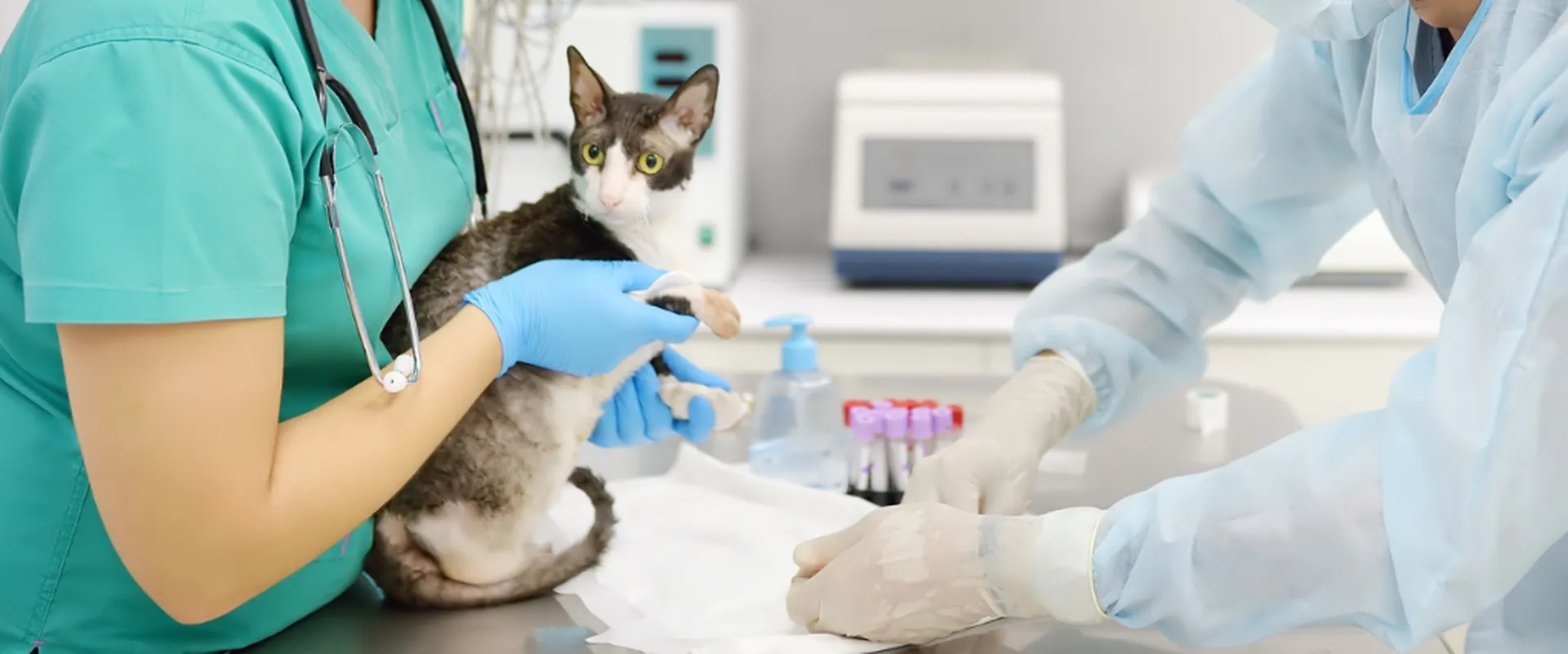
You might be watching your dog slow down a bit on walks, or noticing your cat drinking more water than usual, and a small voice in the back of your mind is asking, “Is this just age, or is something wrong?” At the same time, the idea of more tests, more appointments, and more bills with a Cary veterinarian can feel overwhelming. You just want to do right by your pet without going overboard.end
That tension is very real. You love your animal, you sense that regular care matters, yet you may not be sure whether routine bloodwork at an animal hospital is truly necessary or just “extra.”
Here is the simple summary. Routine bloodwork is like a window into your pet’s hidden health. It can catch disease early, guide safer anesthesia, track aging, explain vague symptoms, and even save you money and heartache by preventing crises. When you understand what it can reveal, those numbers on a lab report start to feel much less abstract and much more like a safety net.
Why does routine bloodwork matter when my pet “seems fine”?
One of the hardest parts about caring for animals is that they are very good at hiding discomfort. By the time you see clear signs of illness, the disease may have been brewing for months.
Think about a middle aged cat who is losing a little weight, yet eating well and acting normal. That might look harmless. Routine blood tests could show early kidney changes long before the cat starts vomiting or refusing food. With early treatment, that cat can often feel better for years. Without that early catch, you might not know anything is wrong until your cat is in a crisis that needs emergency care.
Because of situations like this, the American Animal Hospital Association now recommends regular lab screening for adult and especially senior pets. Their senior care guidelines for dogs and cats explain how bloodwork helps find hidden disease and guide better long term care.
So where does that leave you when you are already juggling time, money, and worry about your pet’s stress at the vet?
What problems can routine bloodwork at an animal hospital actually solve?
It helps to connect the idea of “lab work” to real situations you might face at home. Here are five practical benefits of regular blood testing for pets that can change outcomes in very concrete ways.
1. Early detection of silent disease
Many common conditions in dogs and cats start quietly. Kidney disease, liver disease, diabetes, thyroid problems, and some cancers can all be present long before you see obvious symptoms.
For example, an older dog may sleep more and be a little stiff. You might assume it is just arthritis. Routine bloodwork could uncover early liver disease or a thyroid imbalance. When caught early, your vet can adjust diet, add medication, or monitor more closely, which often means a better quality of life and a longer lifespan.
2. Safer anesthesia for surgeries and dental cleanings
Any time your pet goes under anesthesia, you want to be sure their organs can handle it. Pre anesthetic blood tests are used to check kidney and liver function, red and white blood cells, and electrolytes.
Picture a dog scheduled for a “simple” dental cleaning. The physical exam looks normal. Routine pre anesthetic bloodwork reveals anemia and abnormal kidney values. Instead of going ahead and risking complications, the vet can postpone the procedure, treat the underlying problem, and adjust the anesthesia plan. That small step reduces the risk of serious side effects.
3. Clearer answers for vague symptoms
Sometimes a pet just seems “off.” Maybe your dog is a little more tired, or your cat is not jumping as high. These are the moments when it is easy to wait and hope it goes away, especially if you are worried about the cost of testing.
Basic blood panels are often the quickest way to sort out what is minor from what is serious. They can show infection, inflammation, dehydration, anemia, or organ issues that explain what you are seeing at home. That means your vet does less guessing and more targeted treatment.
4. Tracking aging and chronic conditions over time
As pets grow older, their bodies change. Subtle shifts in kidney values or thyroid levels from year to year can help your vet predict trouble before it becomes an emergency.
The VCA wellness examination guide for dogs describes how regular exams and lab work build a baseline for each animal. When those numbers begin to drift, your vet sees the pattern early. This matters even more if your pet already has a chronic condition such as kidney disease, diabetes, or thyroid disease. Routine bloodwork lets your vet fine tune medications so they are actually helping and not causing new problems.
5. Possible long term savings and fewer emergencies
It is natural to look at the cost of yearly or twice yearly blood panels and wonder if it is worth it. What often gets overlooked is the cost of late stage disease and emergency care. A single night in an emergency hospital can be several times the cost of many years of routine blood testing.
By catching problems early, routine bloodwork can reduce the odds of sudden organ failure, diabetic crises, or severe infections that require intensive treatment. That is better for your pet’s comfort, and it can also be easier on your budget and your stress.
How do the risks and benefits of routine bloodwork compare?
You might still be weighing the pros and cons in your head. A simple comparison can help make the decision feel more concrete.
| Aspect | With Routine Bloodwork | Without Routine Bloodwork |
| Detection of disease | Higher chance of catching problems early, often before symptoms | Many conditions found late, when signs are obvious and disease is advanced |
| Cost over time | Predictable smaller costs for tests, potential savings by avoiding some emergencies | Lower short term costs, higher risk of sudden large bills for advanced disease |
| Anesthesia and procedures | Safer planning, ability to adjust or delay if lab values are abnormal | Higher risk of unseen organ issues causing complications |
| Quality of life | Earlier treatment, better symptom control, more “good days” | More time spent managing crises and late stage illness |
| Peace of mind for you | Clearer picture of what is going on inside your pet’s body | More guesswork, more wondering if you “missed something” |
Looking at it this way, routine veterinary bloodwork is less about chasing numbers and more about giving you and your pet options while there is still time to act.
What should you do next if you are still unsure?
It is completely reasonable to have mixed feelings. You might be worried about cost, or about stressing a nervous pet, or about what you might find. Those are all valid concerns. Here are three concrete steps that can help you move from worry toward a plan that feels right for you.
1. Ask your vet for a clear, customized plan
Start by asking your veterinarian which blood tests they recommend for your pet’s age, breed, and health history, and how often they truly need to be repeated. An honest, specific answer can help you see what is necessary and what is optional.
You can ask questions like:
“If we do this panel, what exactly are you looking for?”
“How would the results change what we do for my pet?”
“Is there a basic panel that still gives you useful information if I am watching my budget?”
When you understand the “why” behind each test, it feels less like a mystery and more like a shared decision.
2. Build bloodwork into your regular wellness visits
Instead of waiting until your pet is sick, talk with your vet about adding bloodwork to routine wellness exams, especially as your pet reaches middle age. For many dogs and cats, that means starting annual screening around age 7, or earlier for breeds prone to certain diseases.
By pairing labs with scheduled wellness visits, you reduce extra trips to the animal hospital, and your vet can compare each year’s results to the last. That trend over time is often more valuable than a single “snapshot.”
3. Plan ahead for costs and ask about options
Money is a real factor. It is completely okay to say, “I want to do what is important, but I need to understand the costs.” Ask if there are wellness plans, bundled pricing, or priority tests that give the most critical information for your situation.
Some owners set aside a small monthly amount in a separate “pet health” fund to prepare for wellness care and unexpected needs. Even a modest cushion can make it easier to say yes to bloodwork when your vet recommends it.
Moving forward with more confidence in your pet’s care
You do not have to become an expert in lab values to make wise decisions for your pet. You only need a basic understanding of how routine bloodwork at animal hospitals can uncover silent problems, guide safer treatment, and support a longer, more comfortable life.
The next time your vet mentions bloodwork, you will know it is not just another box to check. It is a way to see what your pet cannot tell you in words, and to act while there is still time to make a difference.
Your worry comes from love. When that love is paired with steady, informed care, your pet has the best chance to stay by your side, feeling well, for as long as possible.