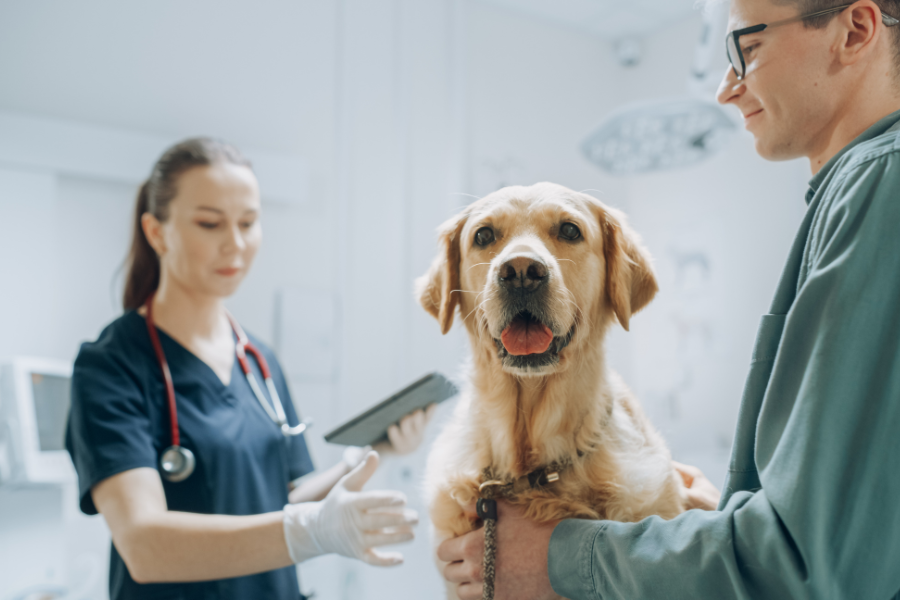
You might be feeling a mix of worry and doubt right now. Maybe your pet had a recent scare, you rushed to the veterinary clinic, and now you are replaying every conversation in your head, wondering if you were told everything you needed to know by your Dallas veterinarian. Or maybe you are about to choose a new clinic and you are afraid of being pushed into decisions that do not feel right for you or your pet.end
That tension is very real. When someone you love is in pain, even small gaps in communication can feel huge. A rushed explanation. A confusing estimate. A treatment you did not fully understand. It can leave you wondering who to trust and how to protect your pet.
Here is the core idea. When a clinic is honest, clear, and open about what is happening, you can make calmer decisions, you feel less regret afterward, and your relationship with that team grows stronger over time. That is why transparency in veterinary communication is not a bonus. It is the foundation of good care for both you and your animal.
So where does that leave you as a pet owner trying to do the right thing, without a medical degree and with a very real budget to worry about.
Why does clear communication with your veterinary clinic matter so much when you are already stressed
When your pet is sick or injured, you are not just listening with your ears. You are listening through fear, guilt, and sometimes financial pressure. Because of that, any missing piece of information can feel like a betrayal.
You might recognize some of these moments.
You were given a long list of tests and treatments in one breath, with no clear explanation of what is urgent and what is optional. You signed an estimate, then the final bill was higher, and no one explained why. You got a serious diagnosis but left the clinic feeling like you only understood half of what was said. In each of these situations, the medical care might have been solid, but the communication left you anxious and unsure.
There is also an added layer of trust in veterinary medicine. Your pet cannot speak for themselves. So you depend entirely on the clinic to be your eyes and ears. That is one reason why professional standards, such as the Principles of Veterinary Medical Ethics from the AVMA, put honesty, clarity, and respect for the owner’s decisions at the center of good practice.
When a clinic embraces open and honest communication, something important shifts. You are no longer just a worried owner being talked at. You become a partner in the decision making process. You have room to ask questions. You understand what is happening and why. That partnership is the heart of clear veterinary communication.
What goes wrong when transparency is missing in a veterinary clinic
It helps to name the specific problems, because once you can see them clearly, you can respond to them with more confidence.
First comes the information gap. The vet or nurse understands the medical picture in detail, but what you hear is a blur of technical terms. If no one slows down to translate and check your understanding, you might agree to a plan you do not actually grasp. That can create regret later, even if the treatment was appropriate.
Next is the money question, which many people are afraid to raise. Veterinary care can be expensive. When costs are not discussed openly or when you feel judged for asking about money, you may either approve everything and feel panicked later, or refuse care because you are afraid of hidden charges. True transparency means talking about options and costs without shame.
There is also emotional transparency. When a pet has a serious illness, some owners want every possible treatment. Others quietly know that their pet is tired and that comfort is more important than more procedures. If the clinic does not invite that emotional truth into the conversation, you can end up on a path that does not match your values. That mismatch can be deeply painful afterward.
Research in veterinary science has started to shine a light on this tension. Studies, such as those discussed in recent veterinary communication research, show that when owners are fully informed and feel heard, they are more likely to follow treatment plans, more likely to feel satisfied with care, and less likely to experience conflict with the clinic.
So what does a transparent veterinary clinic actually do differently.
It explains diagnoses in plain language and checks that you understand. It lays out more than one option when possible, not just the most advanced or expensive one. It gives clear estimates and explains what could change. It invites your questions and does not punish you with a sigh or an eye roll when you ask them. That is what strong, honest veterinary clinic communication looks like in real life.
How can you compare different levels of transparency in veterinary care
When you are stressed, it helps to have something concrete to look for. One way is to compare how a clinic behaves in common situations. The table below shows what you might experience in a less transparent setting versus a more open and collaborative one.
| Situation | Low Transparency Clinic | High Transparency Clinic |
| Explaining a diagnosis | Uses medical jargon, speaks quickly, does not check your understanding. | Uses plain language, pauses for questions, may draw pictures or use models to explain. |
| Discussing treatment options | Presents a single plan as the only “right” choice. | Explains several options, including conservative or comfort focused care when appropriate. |
| Talking about costs | Provides a brief estimate without discussing what is optional or what might change. | Walks you through the estimate, explains priorities, and invites budget questions without judgment. |
| Handling uncertainty | Acts overly confident or vague when the outcome is uncertain. | Openly states what is known, what is unknown, and what that means for your pet. |
| End of life or serious illness | Focuses only on treatment, avoids talking about quality of life or your values. | Gently asks about your goals for your pet, explains comfort care and quality of life honestly. |
Reading this, you may recognize patterns you have already seen. Maybe your current clinic lands somewhere in the middle. Many do. The point is not to find perfection. It is to know what to look for so you can ask better questions and choose a team that fits how you want to care for your pet.
What can you do right now to get clearer communication from your veterinary clinic
Even if you cannot change clinics immediately, you are not powerless. There are steps you can take that often lead to better conversations and better care.
1. Prepare three key questions before every visit
When you are worried, it is easy to forget what you meant to ask. Before you go to the clinic, write down three questions. For example. What is the most likely diagnosis and what else could it be. What are my options, from most aggressive to most conservative. What will this cost today and what might it cost over the next few months.
Tell the vet at the start of the visit that you have those questions and that you would like to make sure there is time to answer them. This small step often changes the tone of the whole conversation.
2. Ask for plain language and a summary of the plan
If something is unclear, you have every right to say, “I am not sure I understand. Can you explain that in simpler terms.” A good veterinary professional will not be offended. You can also ask, “Before I leave, can we review the plan one more time so I know exactly what to do at home.”
Some people find it helpful to repeat back what they heard. For example. “So my understanding is that we are starting this medication twice a day, we are doing blood work today, and we will recheck in two weeks. Is that right.” This gives the clinic a chance to correct any confusion on the spot.
3. Be honest about your limits and your values
Transparency is a two way street. If money is tight, say so early. You can use phrases like, “I want to do the best I can for my pet, but I do have a budget. Can we talk about what is most important right now and what could wait.”
If your pet is older or has been through a lot already, you can share what matters most to you. For example. “My biggest goal is that she is comfortable and not afraid. I am open to treatment, but I do not want her to suffer through repeated hospital stays.” This gives the veterinary team a clear compass to guide recommendations. That is how a general veterinary service becomes deeply personal care for your specific animal.
Finding confidence and calm through transparent veterinary communication
You are carrying a lot. Love for your pet. Worry about their health. Practical concerns about time and money. On top of that, you are trying to understand complex medical information in moments that are already emotional.
You deserve veterinary professionals who meet you there with honesty, patience, and respect. When communication is open and clear, decisions feel less heavy. Even when outcomes are hard, you are far less likely to be haunted by “what if” questions, because you know you were informed and involved at every step.
As you move forward, trust that your questions are not a burden. They are part of good care. Use them. Ask for clarity. Look for clinics that welcome that conversation. Over time, you will build a partnership with a team that treats not just your pet’s body, but your peace of mind as well. That is the quiet power of transparent veterinary clinic communication.