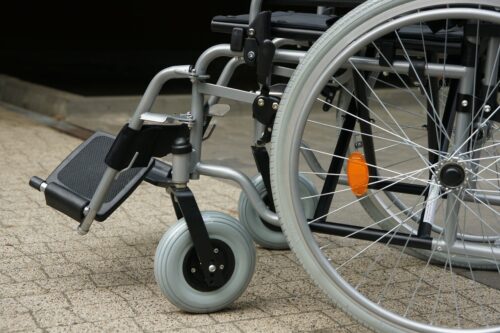
Many people are familiar with how spaces such as libraries, museums, and even public transport have been modified to make them more accessible for people who use wheelchairs.
However, when it comes to modifying your home to accommodate someone who is using a wheelchair, it can become a bit more complicated. There is less room, there are more personal needs (such as using a kitchen), and bedrooms that will need to be accessed.
To help you understand the modifications your home may need, here are some key steps to make it accessible for someone using a wheelchair.
- Residential Lift
Unless you are lucky enough to live in a bungalow, you will likely need the person who uses the wheelchair to access the upper floor of the house. For this, it is worth looking into a wheelchair lift. These are often easier to install than many people think, are fitted with safety features, and are more compact, due to modern, sleeker designs.
- Wheelchair Ramps
On the outside of the home, you will need to look into ramps. For most homes that have a wheelchair user, the front and the back of the house are the areas where there needs to be a wheelchair ramp. Luckily, there are temporary ramps, which do not require modifying the outside of the house. Just be sure that the ramp you get can handle the weight of the wheelchair and the person in it, as different ramps have different weight restrictions.
- Wider Doors
This is something that can be very difficult to navigate if you don’t own your home, as it can require extensive remodelling to correct. For someone in a wheelchair, standard doors are often too narrow. Luckily, you don’t have to widen all of the doors in your home manually. There are swing clear hinges that can replace traditional hinges on doors, to help a wheelchair user navigate your home.
- Lower Countertops
For your kitchen, you will likely need to lower the countertops to ensure that the person who uses a wheelchair can access everything that they need to. Ideally, you should aim to adjust the countertops so they are 30 to 34 inches in height. If possible, you should also have all lights in your home operating on a pull cord, as this will prevent extensive rewiring and will help with accessibility.
- Modify the Bathroom
A key area of your home that will need to be changed to make the space accessible for wheelchair users is the bathroom. Simply put, it is hard for those who have mobility issues to use traditional toilets and baths without help.
You will need to look into a roll-in/walk-in shower installation, as well as assess the need for grab rails and having a wheelchair accessible sink. Depending on where you live, you may be eligible for funding to reduce the costs of these modifications. Be sure to ask your local council about grants or loans that can help you modify your bathroom.